
Protecting Your Reputation During Peak Season
As a restaurant or short-term rental owner in Charleston, the holiday season represents a critical time for business. The influx of tourists and festive locals means more foot traffic, fuller tables, and completely booked rooms. However, this surge in activity also brings an increased risk of pests, particularly the notorious German cockroach. A single sighting can tarnish your reputation, lead to negative online reviews, and even result in failed health inspections. For Charleston’s hospitality industry, proactive pest management isn’t just a good idea—it’s essential for survival and success.
German cockroaches are more than just a nuisance; they are a significant threat to public health and the viability of your business. These pests are known carriers of bacteria and pathogens like Salmonella and E. coli, which they can transfer to food preparation surfaces, utensils, and stored goods. Ensuring your establishment is protected is a key part of providing a safe, clean, and welcoming environment for every guest who walks through your door.
Understanding the German Cockroach Threat in Charleston
The German cockroach is uniquely suited to thrive in commercial environments like restaurants and rental properties. They are small, reproduce at an astonishing rate, and are experts at hiding in tiny cracks and crevices. A single female can produce hundreds of offspring in her lifetime, meaning a minor issue can quickly escalate into a full-blown infestation.
These pests are drawn to the warmth, moisture, and abundant food sources that kitchens and lodging facilities provide. In a city like Charleston, with its humid climate and historic buildings, the conditions are often perfect for these unwelcome guests. Their presence can lead to several severe consequences for your business:
- Health Code Violations: A cockroach sighting during a health inspection can lead to fines, mandatory closures, and a damaged public record.
- Reputation Damage: In the age of social media, one photo or negative review mentioning pests can go viral, deterring potential customers and severely impacting your bottom line.
- Food Contamination: Cockroaches spread diseases by walking over and defecating on food and prep surfaces, posing a direct health risk to your customers and staff.
- Allergies and Asthma: Their shed skins, droppings, and saliva can trigger allergic reactions and asthma attacks, creating an unsafe environment for sensitive individuals.
How Do They Get In? Common Entry Points for Pests
German cockroaches are resourceful travelers. They don’t typically march in through the front door. Instead, they hitchhike their way into your establishment. Understanding these entry points is the first step in effective prevention.
Incoming Supplies and Deliveries
One of the most common ways German cockroaches enter a business is through cardboard boxes, food crates, and other supply shipments. Eggs or live insects can be hidden within the packaging from an infested warehouse or delivery truck. It’s crucial to inspect all incoming goods before bringing them inside.
Employees and Guests
Unfortunately, people can unknowingly bring pests from an infested home into the workplace. Cockroaches can hide in purses, backpacks, and even clothing. Providing designated storage areas for personal belongings away from food prep and guest areas can help minimize this risk.
Shared Walls and Utility Lines
In multi-unit buildings, cockroaches can easily travel from an adjacent business or apartment through shared plumbing, wall voids, and utility conduits. This makes it essential to seal any gaps or cracks around pipes, electrical outlets, and baseboards. A comprehensive pest control strategy addresses these vulnerabilities.
Did You Know? Quick Facts About German Cockroaches
- A German cockroach egg case, or ootheca, can contain up to 50 eggs.
- They can develop from egg to adult in as little as 50 days under ideal conditions.
- German cockroaches produce an unpleasant, oily or musty odor, which can become noticeable in large infestations and even alter the taste of food.
- They prefer tight, dark spaces and are thigmotropic, meaning they like the feeling of surfaces touching their back and belly simultaneously. This is why they hide in narrow cracks and behind equipment.
Proactive Strategies for German Cockroach Control in Charleston
Preventing an infestation is always more effective and less costly than eliminating one. For Charleston’s business owners, an integrated pest management (IPM) approach offers the best defense. This involves a combination of sanitation, exclusion, and professional treatments.
1. Impeccable Sanitation
Sanitation is your first line of defense. Denying cockroaches food, water, and shelter makes your property far less attractive to them. Key practices include:
- Cleaning floors, counters, and cooking equipment daily, paying special attention to areas under and behind appliances.
- Storing all food in airtight containers and off the floor.
- Emptying trash receptacles frequently and ensuring dumpsters are clean and located away from building entrances.
- Cleaning floor drains and repairing any plumbing leaks promptly to eliminate moisture sources.
2. Exclusion and Maintenance
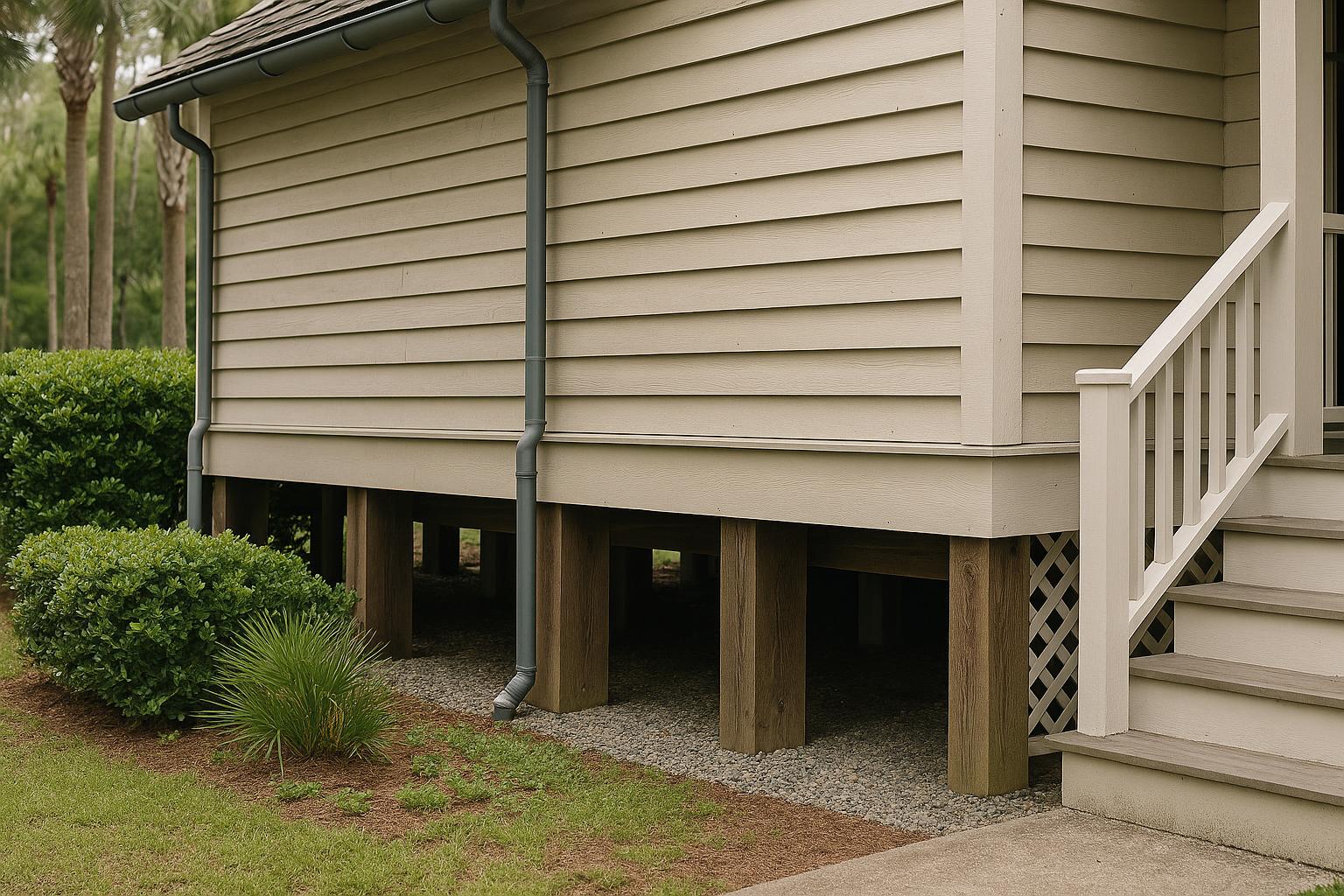
Block pests from entering and hiding. Regular maintenance can significantly reduce your risk. This includes professional services like crawl space encapsulation to manage moisture and pests from below.
- Sealing cracks and crevices in walls, floors, and around pipes with caulk or sealant.
- Installing door sweeps and weather stripping on all exterior doors.
- Repairing damaged screens on windows and vents.
3. Professional Partnership
Working with a professional pest control company is crucial for effective German cockroach control in restaurants and rentals. A trained technician can identify signs of activity you might miss, apply targeted and safe treatments, and provide ongoing monitoring to prevent future issues. At Lowcountry Pest Management, we offer customized plans that fit the unique needs of your business.
Secure Your Business This Holiday Season
A clean, pest-free establishment is non-negotiable for success in the Charleston hospitality market. Don’t let German cockroaches compromise your hard-earned reputation. Take proactive steps today to protect your guests, your staff, and your business.
Frequently Asked Questions
How do I know if I have a German cockroach problem?
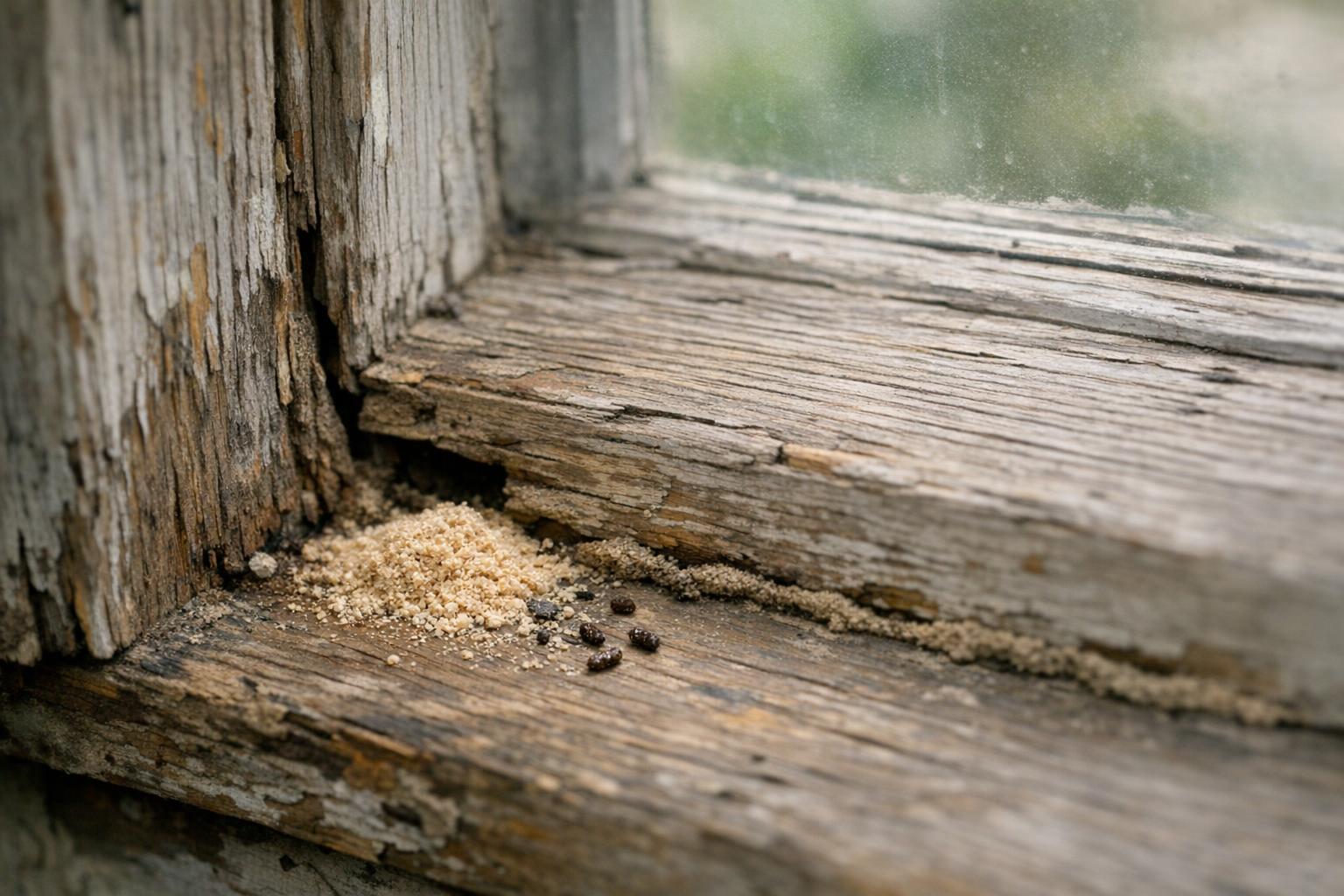
Signs of an infestation include seeing live roaches (especially during the day), finding droppings that look like coffee grounds or black pepper, discovering egg casings (oothecae), or noticing a musty, oily odor in kitchens or storage areas.
Are DIY treatments effective for German cockroaches in a commercial setting?
While DIY products can provide temporary relief, they rarely solve the root problem. German cockroaches are notoriously resilient and can build resistance to over-the-counter pesticides. A professional service uses targeted, commercial-grade products and an integrated approach to ensure complete elimination and long-term prevention.
How often should my restaurant or rental property be serviced for pests?
For high-traffic commercial environments like restaurants and short-term rentals, we recommend a consistent service schedule. Monthly or quarterly treatments are typical, depending on the specific risks and conditions of your property. Regular monitoring ensures that any new issues are caught and addressed before they can escalate.
My business is very clean. Why do I still have cockroaches?
Cleanliness is a major deterrent, but German cockroaches can be introduced through deliveries, employees, or neighboring units. Even a spotless kitchen can harbor pests if they find a way inside and have access to tiny crumbs or a small water source. Professional exclusion services are key to preventing entry in the first place.