Protecting Your Home’s Foundation from Coastal Humidity
As a homeowner in coastal South Carolina, you understand the constant battle against humidity. That thick, moisture-laden air we experience in Mount Pleasant doesn’t just make for sticky summer days; it silently seeps into every nook and cranny of our homes, especially the crawl space. An overly humid crawl space isn’t just a minor issue—it’s a breeding ground for mold, mildew, wood rot, and a whole host of unwanted pests. As you plan your home maintenance and improvement projects for the year, getting control of your crawl space moisture should be at the top of the list.
Two of the most common solutions for managing crawl space moisture are dehumidifiers and air replacement fans (also known as ventilators). But they work in fundamentally different ways, and choosing the right one is critical for effectively protecting your home’s structural integrity, improving indoor air quality, and even lowering energy bills. This guide will break down the differences, helping you make an informed decision for your Lowcountry property.
Understanding Crawl Space Air Replacement Fans
An air replacement fan, or crawl space ventilator, works by exchanging the stale, damp air inside your crawl space with fresh air from the outdoors. The basic idea is to create consistent airflow, preventing moisture from becoming stagnant and condensing on surfaces. These systems often include sensors that activate the fans when humidity levels rise above a certain point, pulling in drier outside air to help dry out the space.
Potential Advantages:
- Lower Initial Cost: Generally, ventilation fans are less expensive to purchase and install than dehumidifiers.
- Energy Efficiency: Fans typically consume less electricity than a dehumidifier, potentially leading to lower operating costs.
- Odor and Gas Reduction: By circulating air, these fans can help flush out musty odors and potentially harmful gases like radon that may accumulate.
The Major Drawback for Coastal Climates:
The critical flaw with air replacement fans in a place like Mount Pleasant is that they rely on the outside air being drier than the crawl space air. During our long, hot, and intensely humid summers, the opposite is true. Pulling in 85°F air with 90% humidity will only make your crawl space damper, not drier. This can accelerate mold growth, attract more pests, and put your home’s wooden structures at greater risk of rot. In humid climates, ventilation fans often end up making the problem significantly worse.
How a Crawl Space Dehumidifier Works
Unlike a fan that just moves air around, a dehumidifier actively removes excess moisture from the air. It works by drawing in damp air, passing it over cooled coils to condense the moisture into water, and then draining the collected water away. The dry, conditioned air is then circulated back into the crawl space. This process physically reduces the humidity to a specific, controlled level, creating an environment where mold cannot thrive and pests are less welcome.
Key Benefits:
- Consistent Moisture Control: A dehumidifier works effectively regardless of the outdoor weather conditions, making it the ideal solution for South Carolina’s year-round humidity. It maintains a target humidity level, typically between 40-50%, which is optimal for preventing mold growth.
- Structural Protection: By keeping the wood in your foundation dry, a dehumidifier is a powerful tool in preventing wood rot and protecting the long-term structural integrity of your home.
- Improved Indoor Air Quality: Up to 40% of the air you breathe inside your home first passes through the crawl space. A dry, clean crawl space means less mold and mildew spores being pulled into your living areas via the “stack effect,” which can improve overall indoor air quality.
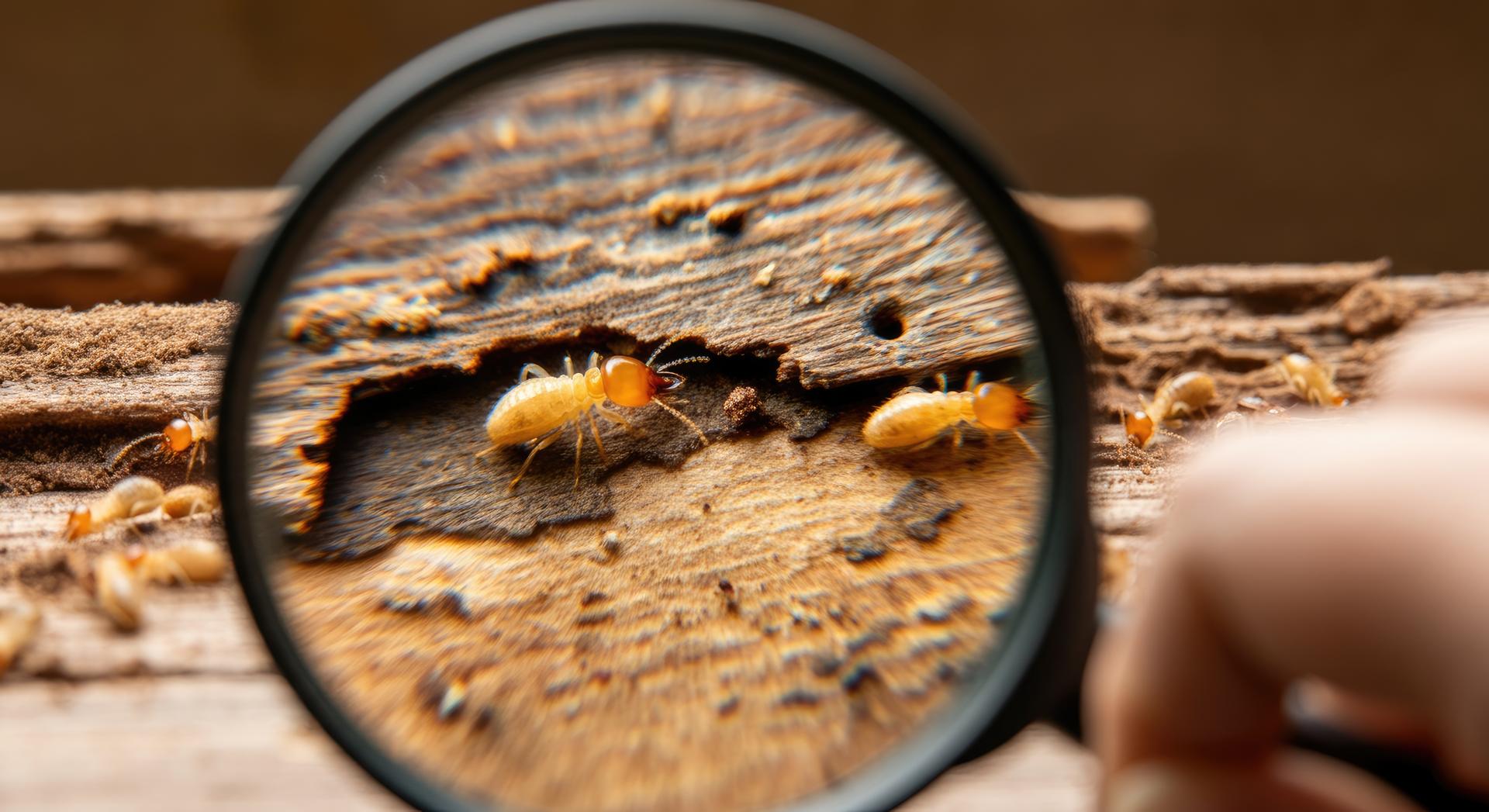
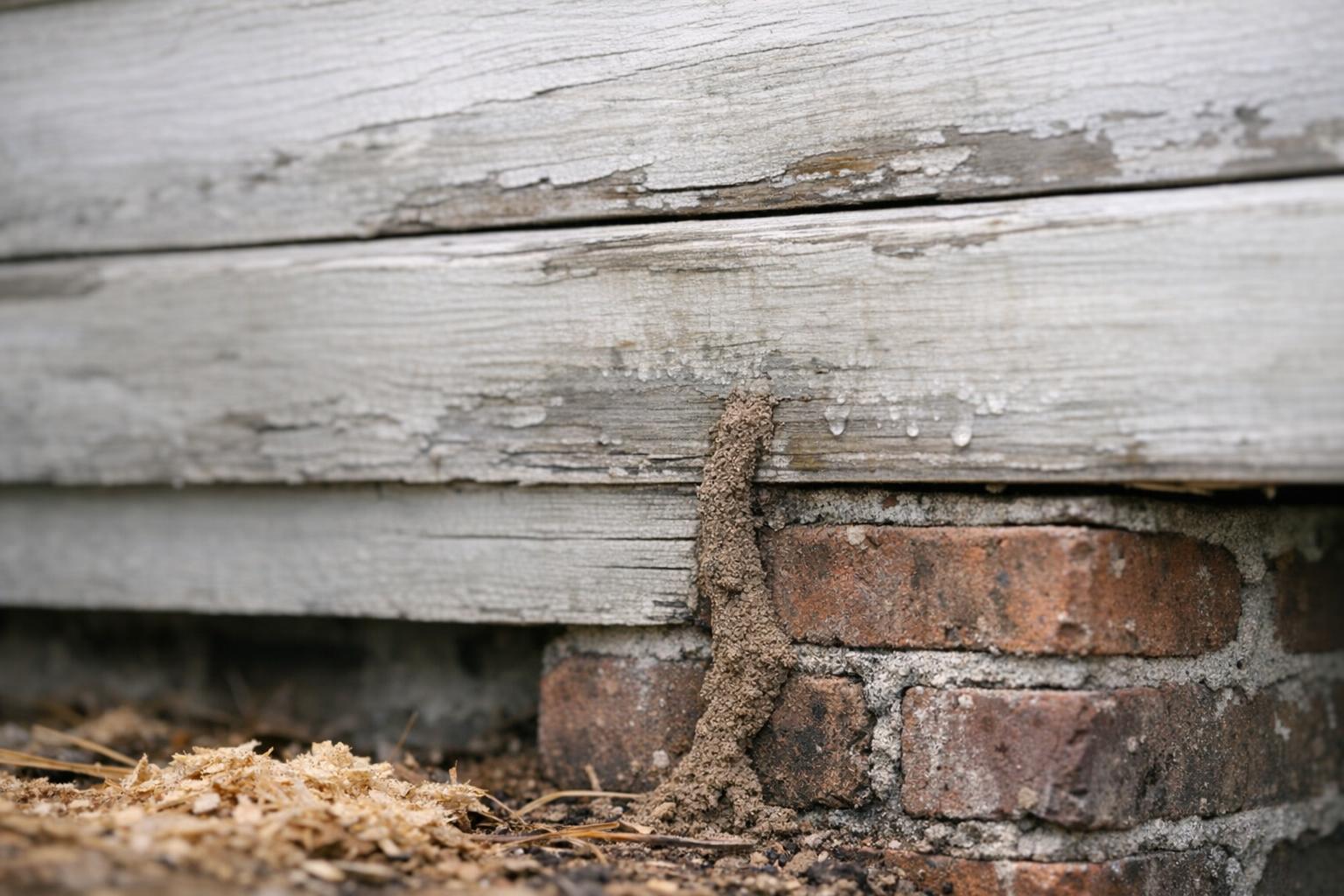
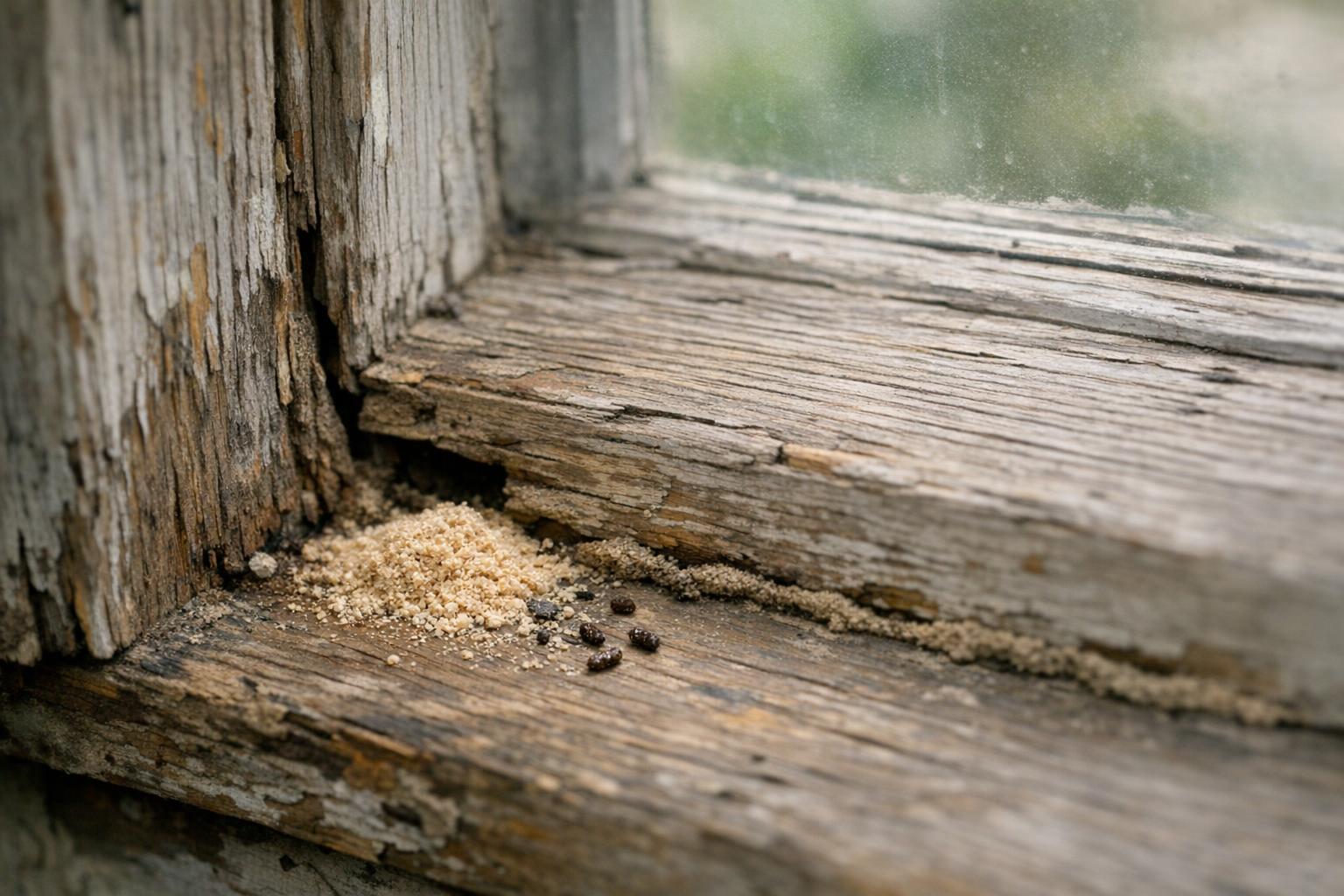
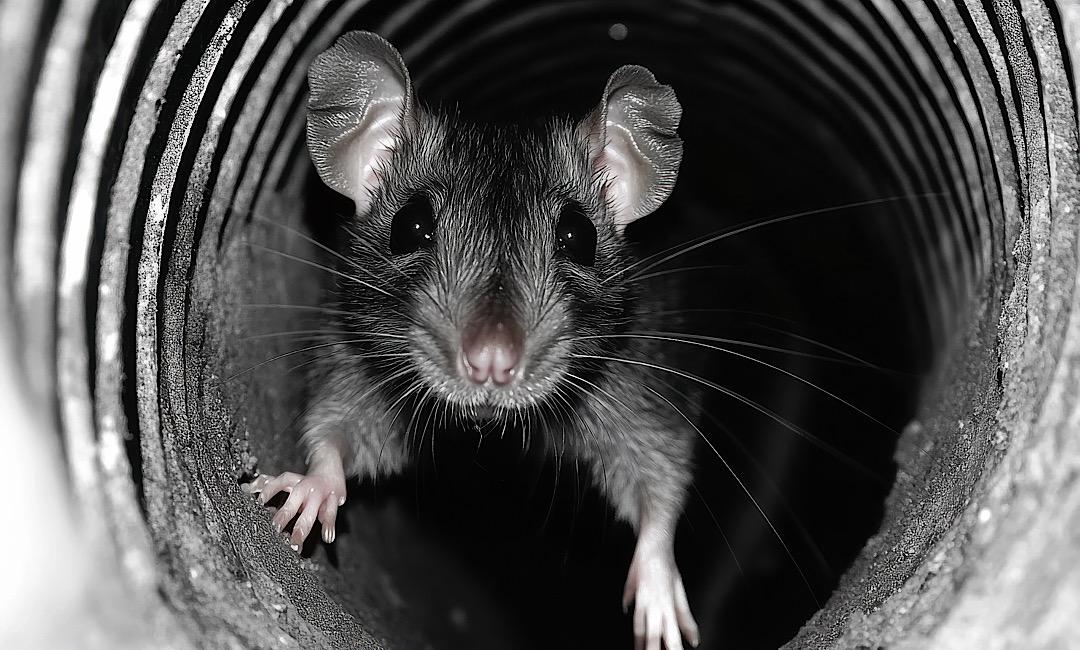
- Pest Prevention: Pests like termites, cockroaches, rodents, and silverfish are drawn to dark, damp environments. A dry crawl space is a far less attractive habitat, making it a crucial part of an effective pest control strategy.
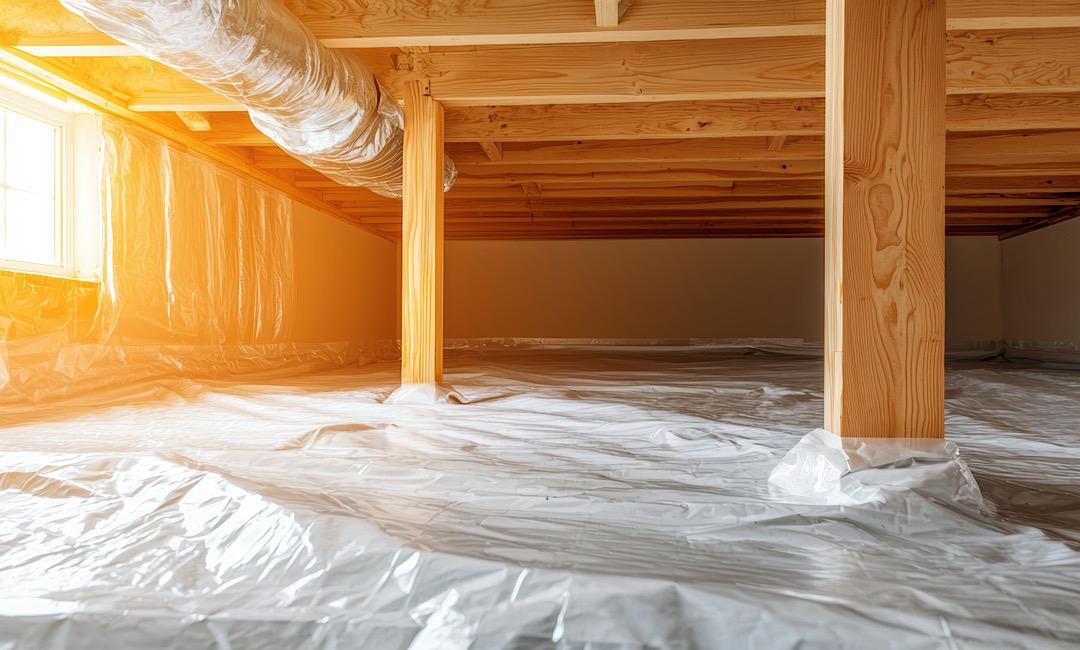
For the best results, a dehumidifier should be part of a complete crawl space encapsulation system. Encapsulation involves sealing the vents and laying down a heavy-duty vapor barrier to block moisture from the ground and outside air, creating a controlled environment where the dehumidifier can work most efficiently.
Comparison: Dehumidifier vs. Air Replacement Fan
| Feature | Crawl Space Dehumidifier | Air Replacement Fan |
|---|---|---|
| Moisture Control Method | Actively removes moisture from the air. | Exchanges inside air with outside air. |
| Effectiveness in Humid Climates | High – Operates independently of weather. | Low – Can pull in more moisture. |
| Mold & Mildew Prevention | Excellent – Keeps humidity below mold growth threshold. | Poor – Can increase humidity and mold risk. |
| Pest Deterrence | High – Eliminates the dampness pests seek. | Low – Can worsen conditions that attract pests. |
| Initial Cost | Higher | Lower |
| Energy Consumption | Moderate | Low |
Protect Your Mount Pleasant Home Today
Don’t let crawl space moisture compromise your home’s health and value. A dry, controlled crawl space is essential for preventing costly structural repairs, deterring pests, and ensuring the air you breathe is clean. The team at Lowcountry Pest Management has the local expertise to assess your crawl space and recommend the best long-term solution.
Frequently Asked Questions
Why is a dehumidifier better than a fan for Mount Pleasant?
In Mount Pleasant’s humid subtropical climate, a fan often pulls in air that is even more humid than the air already in the crawl space, which makes moisture problems worse. A dehumidifier is superior because it actively removes moisture and reliably controls humidity levels regardless of the weather outside.
Do I need to encapsulate my crawl space if I get a dehumidifier?
While a dehumidifier can work in a vented crawl space, it will run constantly and less efficiently, fighting against the endless supply of outdoor moisture. For optimal performance, energy efficiency, and protection, it is highly recommended to install a dehumidifier as part of a complete crawl space encapsulation system. This creates a sealed, conditioned space for the most effective moisture control.
Will a dry crawl space really affect the air inside my house?
Absolutely. The “stack effect” naturally pulls air from the lower levels of your home, including the crawl space, up into your main living areas. If your crawl space is damp and moldy, those contaminants circulate throughout your home. A dry crawl space leads to healthier indoor air.
Can controlling crawl space moisture help with my pest problems?
Yes. Many common Lowcountry pests, including termites, cockroaches, and even rodents, are attracted to moisture. By eliminating the damp environment they thrive in, you make your home a much less appealing target. Moisture control is a critical component of integrated pest management.