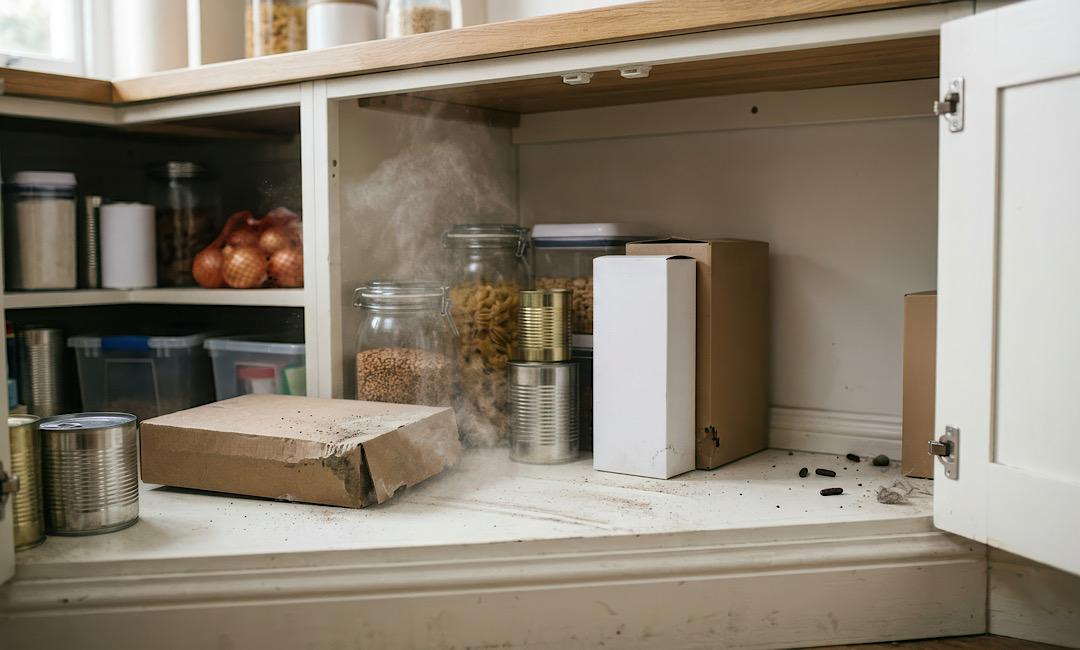
- A fast, homeowner-friendly guide for Lowcountry houses (especially older and historic homes)
- Why the “carpenter ants vs termites” mix-up is so common in the Lowcountry
- Quick comparison table
- What “swarm season” looks like around Charleston, SC
- Step-by-step
- The local angle
- When you want certainty (and a documented plan), schedule an inspection
- FAQ
- Glossary (helpful terms for older Charleston-area homes)
A fast, homeowner-friendly guide for Lowcountry houses (especially older and historic homes)
Late-winter warm spells in Charleston and Mt. Pleasant, SC can make insect activity show up earlier than you expect—especially in homes with older framing, crawl spaces, and long-standing moisture patterns. If you’re seeing winged insects at windows, tiny piles of “sawdust,” or suspicious wood damage, the big question is the same: carpenter ants vs termites—what am I looking at? This guide breaks down the differences that matter for protecting your home’s structure and resale value, plus what to do next if you suspect either pest.
Why the “carpenter ants vs termites” mix-up is so common in the Lowcountry
Both pests can show up around wood, both can produce winged swarmers, and both are encouraged by the same Lowcountry reality: humidity + older construction + hidden voids. But the risk level (and the right treatment) can be very different.
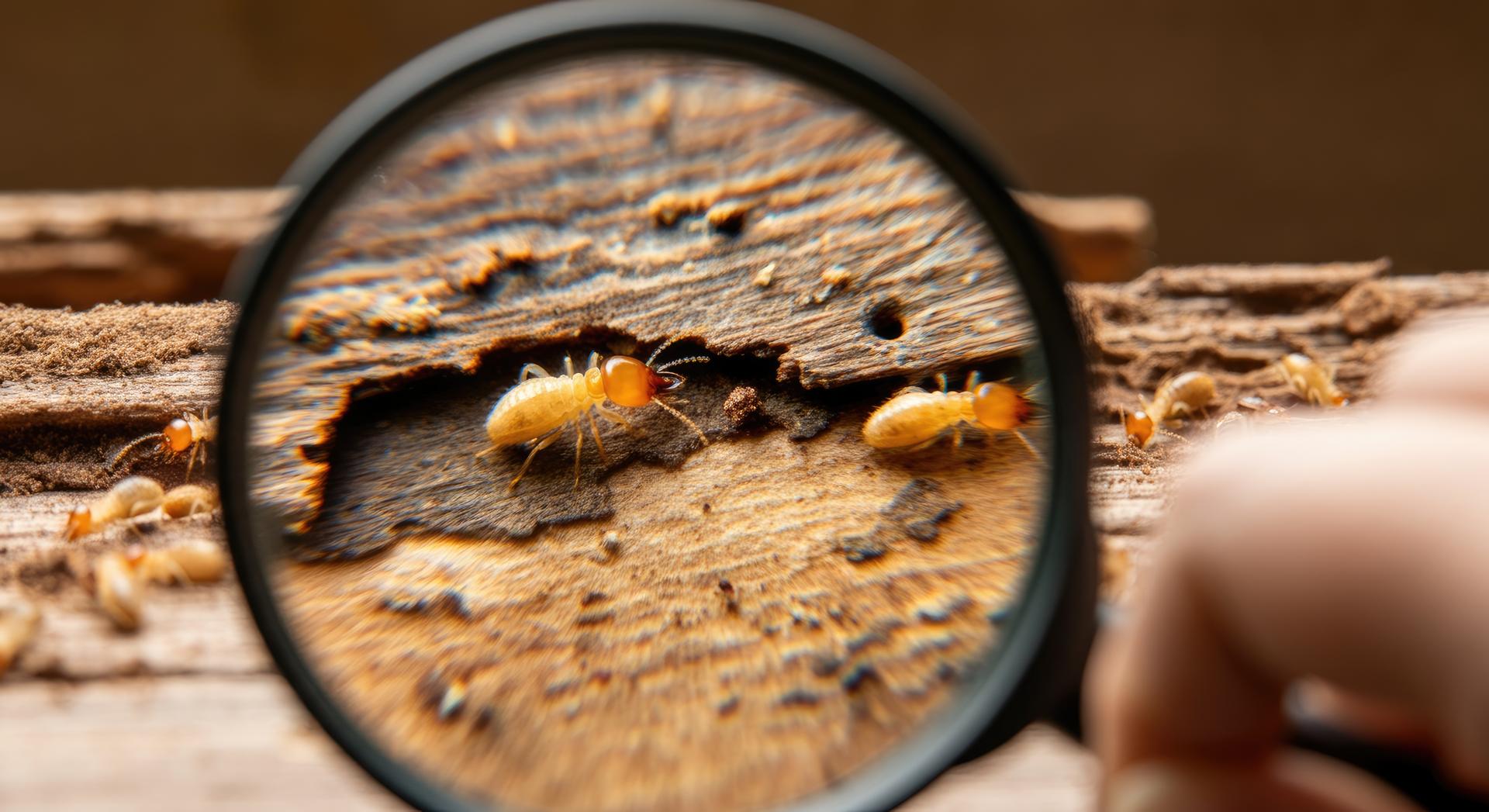
Key takeaway: Termites consume wood (cellulose). Carpenter ants usually excavate wood to build nesting galleries and prefer damp/compromised areas. That difference changes what “damage” looks like and what a professional will target during treatment.
Quick comparison table: carpenter ants vs termites (Charleston & Mt. Pleasant clues)
| What you notice | More likely carpenter ants | More likely termites |
|---|---|---|
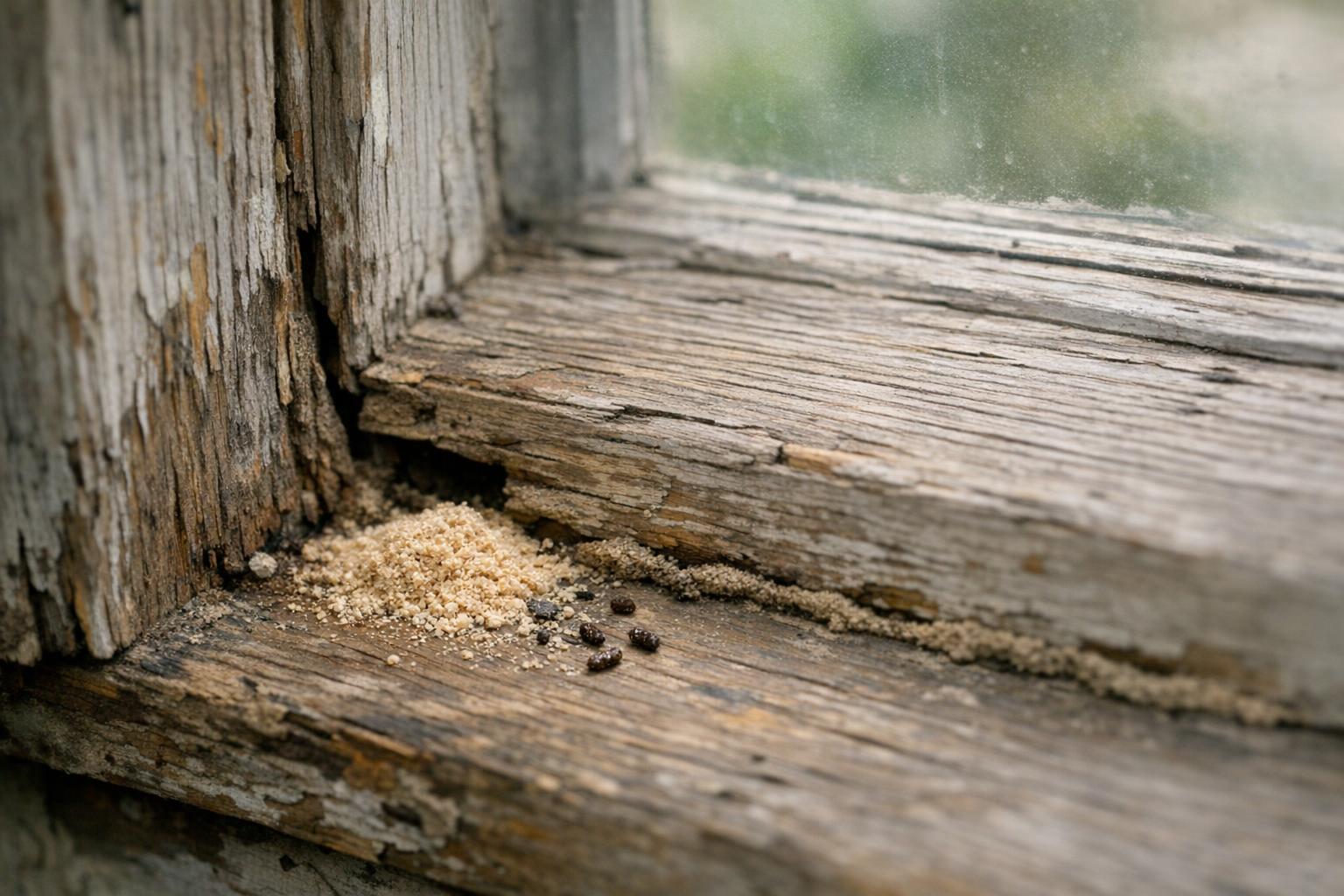
| Debris near baseboards / sills | Fine “sawdust” or mixed debris (wood bits + insect parts) pushed out of a tiny hole (often called frass) | Drywood termite droppings are often tiny pellets (not fluffy sawdust). Subterranean termites often leave mud tubes instead of visible droppings |
| Wood damage look/feel | Galleries can look cleaner/smoother; damage often associated with moisture-compromised wood | Tunnels can look rough/dirty; mud or soil may be present in/around damaged areas (especially subterranean termites) |
| Winged insects at windows | Ant swarmers often have a more defined “waist,” bent antennae, and front wings that can appear longer than back wings | Termite swarmers tend to have straighter antennae, a thicker waist, and wings that are of similar length (two pairs that look equal) |
| Outdoor evidence | Activity near wet wood, leaky areas, mulch piled high against siding, wood-to-soil contact | Mud tubes on foundation/piers, behind siding, near expansion joints; swarmers near lights |
| Risk to structure | Can be serious, but often points to a moisture problem that needs correction alongside control | High structural risk because termites actually feed on wood/cellulose materials |
Tip: If you can safely collect a few insects (or dropped wings) in a sealed bag for identification, it can speed up a professional inspection.
What “swarm season” looks like around Charleston, SC
In South Carolina, termite swarms commonly show up on warm days—often after rain—primarily in spring and early summer, and different species can swarm at different times. Eastern subterranean termites are often reported to swarm from February through May. Formosan termites (present in Charleston County) often swarm later in late spring/early summer and can be strongly attracted to lights.
Why this matters for older homes
A swarm doesn’t always mean your home is the source—but it does mean conditions are right nearby. For older properties in Charleston and Mt. Pleasant (crawl spaces, additions over time, and settling), “early signs” are easy to miss until there’s visible damage.
Step-by-step: what to check (without turning it into a DIY termite treatment)
1) Look for the “type” of debris
Vacuuming up a pile and checking what returns can tell you a lot. Fluffy sawdust-like debris near a tiny “kick-out” hole leans carpenter ant. Pellet-like droppings can indicate drywood termites. No debris—but you see mud tubes—leans subterranean termites.
2) Check moisture-prone areas first
In Charleston and Mt. Pleasant, start with: crawl space access points, plumbing penetrations, HVAC/duct runs, the rim joist area, window sills, door frames, and any spot where caulk has failed, or water stains show up. Carpenter ants often “follow” moisture issues; termites exploit hidden access and can stay out of sight.
3) Don’t ignore swarmer wings
Piles of discarded wings on a sill or near a light fixture can be a major clue. Termite swarmers typically have wings that look equal in length; ant swarmers often show a front pair that appears longer.
4) Avoid “spray and pray” if termites are possible
Over-the-counter sprays can scatter some pests and create a false sense of security. If termites are in the mix, the priority is accurate identification and a plan that addresses the colony and entry conditions—not just the insects you see.
The local angle: Charleston & Mt. Pleasant conditions that raise the odds
Humidity + crawl spaces
Damp crawl spaces, condensation, and poor ventilation can create the “perfect pocket” for wood-destroying pests. If you’re seeing ants plus musty odors or cupped floors, it’s smart to think about moisture control alongside pest control. For homeowners looking to reduce moisture-driven pest pressure, explore crawl space encapsulation.
Charleston County termite realities
Formosan termites are documented in multiple South Carolina counties, including Charleston. That’s one reason local experience matters: species behavior, swarming patterns, and treatment strategies can differ.
Historic and older homes
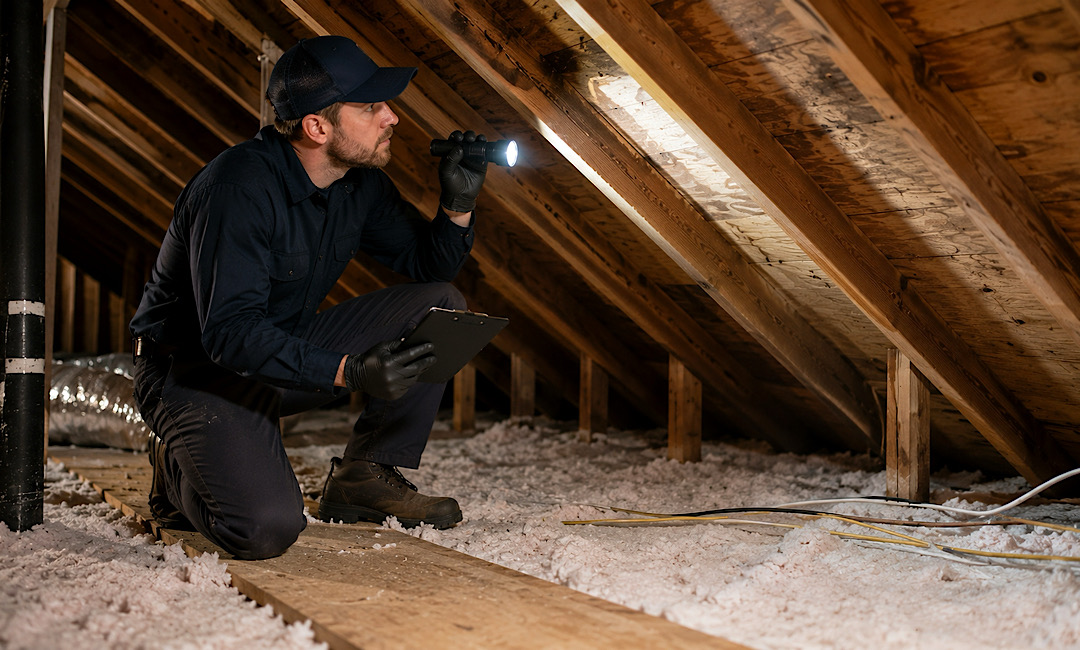
Older framing and past repairs can hide voids where pests travel. If your home has had prior moisture issues, porch additions, or older windows/trim, a targeted inspection can catch problems before they become renovation-level surprises. Learn more about termite control and inspections and how they fit into a preventative plan.
When you want certainty (and a documented plan), schedule an inspection
If you’re weighing carpenter ants vs termites in Charleston or Mt. Pleasant, SC, identification is the make-or-break step. Lowcountry Pest Management can inspect, confirm what’s happening, and recommend a solution that fits your home’s construction, moisture conditions, and risk level.
FAQ: carpenter ants vs termites (Charleston, SC)
Are carpenter ants as destructive as termites?
They can cause serious damage by tunneling and expanding nesting galleries—especially if a moisture issue is feeding the problem. Termites are typically the bigger structural concern because they consume wood/cellulose and can remain hidden while damage spreads.
If I see swarmers inside, does that mean I have an active nest in my house?
Not always—but it’s a strong reason to investigate. Swarmer activity can come from a colony in the structure, under/around the home, or nearby. Because termites and ants can both swarm, a professional ID is the safest next step.
What does termite “frass” look like?
The term “frass” is often used for droppings. Drywood termite droppings are commonly described as tiny pellets, while subterranean termites often don’t leave visible piles because they use material in their mud structures. Carpenter ant debris is often more like sawdust mixed with fragments.
When is termite swarm season in South Carolina?
It varies by species and conditions. Eastern subterranean termites are commonly reported to swarm from February to May (often daytime, on warm days after rain). Formosan termites often swarm later in late spring/early summer and can be active at night near lights.
What’s the fastest way to get a reliable identification?
Save a specimen (or wings) in a sealed bag, take clear photos of any debris/tubes/damage, and schedule an inspection. If you’re in Charleston or Mt. Pleasant, you can contact Lowcountry Pest Management directly through the contact page.
Glossary (helpful terms for older Charleston-area homes)
Swarmer (Alate): A winged reproductive termite or ant that leaves a mature colony to form a new one.
Mud tube: A termite-built tunnel (often on foundations or piers) that helps subterranean termites travel while staying protected from dry air.
Frass: A general term for insect debris/droppings. Homeowners often use it to describe sawdust-like material from carpenter ants or pellet-like droppings from drywood termites—appearance matters.
Galleries: The tunnels/chambers that insects create inside wood. Carpenter ant galleries tend to look cleaner; termite galleries can include soil/mud in subterranean species.
Want a second set of eyes? Visit the Pest Library for general identification help, then schedule a professional inspection if you suspect termites or active carpenter ant nesting.