Understanding the Unseen Threat Lurking in the Lowcountry
Here in the beautiful Lowcountry, from the historic streets of Charleston to the welcoming neighborhoods of Mount Pleasant, we enjoy a unique and vibrant environment. Unfortunately, our warm, humid climate is also a perfect paradise for one of nature’s most destructive pests: termites. As the seasons change, homeowners need to be particularly vigilant about termite swarm season in South Carolina. This annual event is not just a nuisance; it’s a clear warning sign that a mature termite colony is nearby, potentially targeting your home as its next meal.
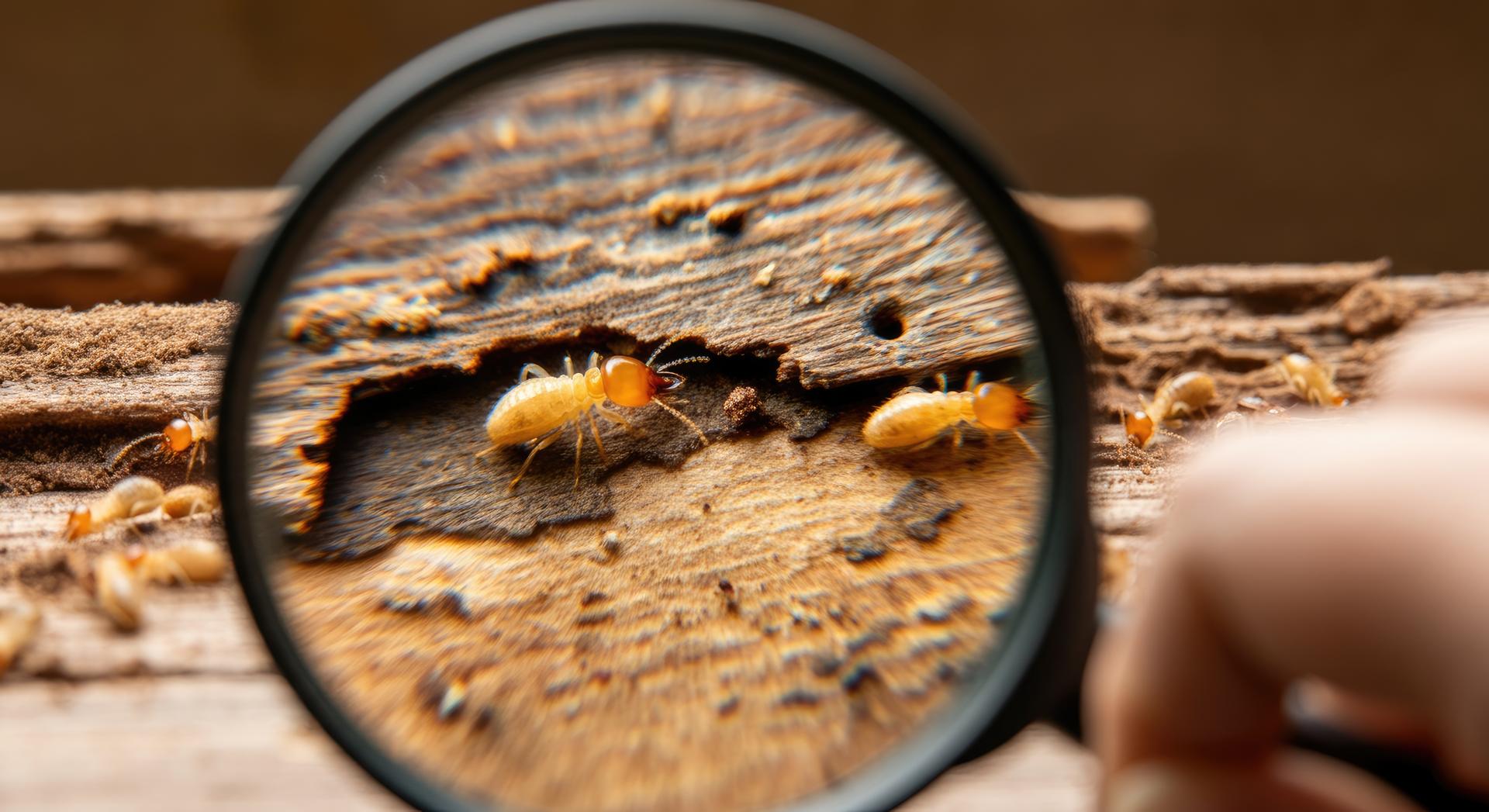
A termite swarm signifies that a colony has grown large enough to send out reproductive members, known as “alates” or “swarmers,” to establish new colonies. Seeing these winged pests or their discarded wings around your property is often the first and only visible evidence of a hidden termite problem. Ignoring this sign can lead to devastating structural damage that is rarely covered by homeowners’ insurance. This guide will walk you through what to look for, the risks involved, and the proactive steps you can take to protect your most valuable asset.
When is Termite Swarm Season in Mount Pleasant, SC?
In South Carolina, termite activity can be a year-round concern, but swarming is most intense during specific periods. The exact timing depends on the species, temperature, and rainfall. Generally, you can expect to see termite swarms in the Lowcountry during the spring and early summer months, often on a warm day following a rain shower.
Key Termite Species and Their Swarming Habits:
- Eastern Subterranean Termites: This is the most common native species in our area. They typically swarm during daytime hours from February to May.
- Formosan Subterranean Termites: Known as “super termites,” this invasive species is notoriously aggressive and destructive. Formosan termites swarm in massive numbers at night, usually during late spring, from May through June. They are strongly attracted to lights.
- Drywood Termites: While less common than subterranean types, drywood termites also pose a threat. They tend to swarm at night in the late spring and mid-summer.
Because our climate is so favorable, it’s crucial for homeowners to be prepared for this extended season of risk. Regular vigilance and professional termite control are essential for safeguarding your property.
Identifying a Termite Swarm: Ants vs. Termites
Many homeowners mistake termite swarmers for flying ants, a critical error that can delay necessary action. While they look similar at a glance, there are distinct differences to help you tell them apart.
| Feature | Termite Swarmer | Flying Ant |
|---|---|---|
| Waist | Broad, thick waist with no clear definition. | Pinched, constricted waist. |
| Wings | Two pairs of wings that are equal in size and length. They are also much longer than the body. | Two pairs of wings, but the front pair is noticeably longer than the back pair. |
| Antennae | Straight or slightly curved antennae. | Bent or “elbowed” antennae. |
Other tell-tale signs of a termite infestation include discarded wings on windowsills, bubbling or peeling paint that resembles water damage, wood that sounds hollow when tapped, and thin mud tubes along your foundation. If you notice any of these signs, it’s time to call in a professional for an inspection.
Proactive Prevention: Protecting Your Home from Termites
Prevention is always more effective and less costly than treating a full-blown infestation. Since South Carolina is in Termite Infestation Probability Zone #1 (very heavy), proactive measures are a necessity, not a luxury. Here are practical steps every Mount Pleasant and Charleston homeowner should take:
- ✔
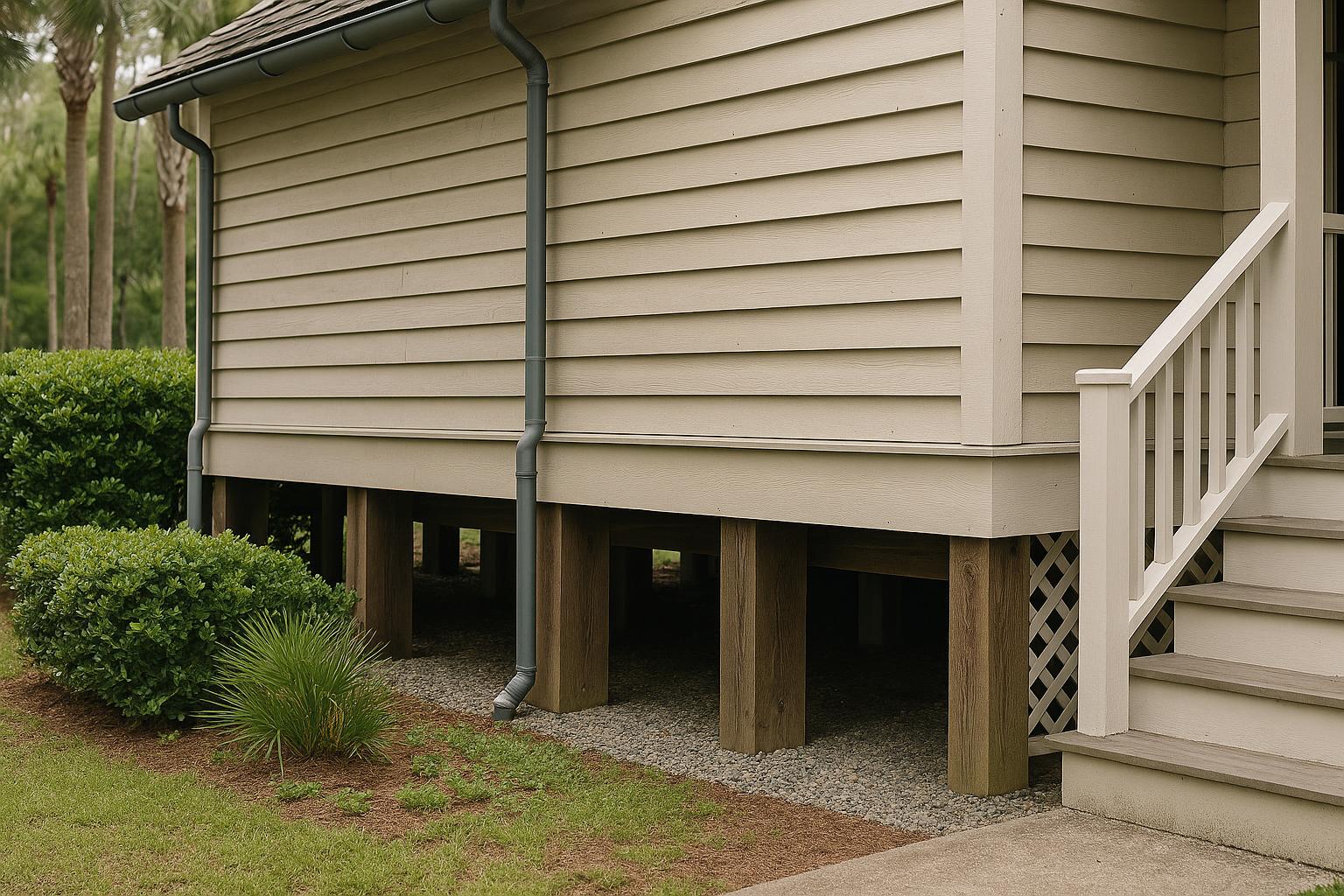
Eliminate Moisture: Termites need moisture to survive. Routinely check for and repair leaky faucets, pipes, and HVAC units. Ensure your gutters and downspouts are clean and direct water far away from your home’s foundation. This is especially vital for vulnerable areas like crawl spaces, where crawl space encapsulation can be a game-changer.
- ✔
Remove Food Sources: Keep firewood, lumber, and other wood debris stored at least 20 feet away from your foundation and elevated off the ground. Avoid using wood mulch directly against your foundation; consider alternatives like gravel or rubber mulch.
- ✔
Create a Barrier: Ensure there is at least a six-inch gap between the soil line and any wood siding on your home. Trim shrubs and vegetation away from the exterior walls to reduce moisture buildup and allow for easy inspection.
- ✔
Seal Entry Points: Regularly inspect your foundation for cracks and crevices. Seal any gaps around utility lines, pipes, and vents where termites could gain entry.
- ✔
Schedule Professional Inspections: The most effective way to protect your home is with annual inspections from a trusted pest control expert. A trained technician can spot the subtle signs of termite activity that are often missed by homeowners.
Did You Know?
- A single Formosan termite colony can contain several million individuals and consume up to a pound of wood per day.
- Termites cause an estimated $5 billion in property damage annually in the United States, an expense not typically covered by insurance.
- Termites never sleep. They work 24 hours a day, 7 days a week, quietly eating away at the structure of your home.
The Lowcountry Local Angle: Why Our Region is a Hotspot
Mount Pleasant and the greater Charleston area’s unique combination of coastal humidity, sandy soil, and historic homes with wooden foundations creates a perfect storm for termite infestations. The Port of Charleston was the entry point for the invasive Formosan termite in the 1950s, and our region has been battling them ever since. These “super termites” can establish aerial colonies in roofs and walls if there is sufficient moisture, making them particularly challenging to control without professional help. Our local environment demands a more vigilant and specialized approach to termite prevention and treatment.
Protect Your Home from Termite Damage
Don’t wait for a swarm to confirm you have a problem. Be proactive and schedule a comprehensive termite inspection with the local experts at Lowcountry Pest Management. With over 22 years of experience protecting homes in Mount Pleasant, we have the knowledge and tools to keep your property safe.
Frequently Asked Questions (FAQ)
Q: If I see termite swarmers, does it definitely mean my house is infested?
A: Seeing swarmers inside your home is a strong indication of an active infestation. If you see them outside, it means a mature colony is nearby and your home is at risk. In either case, a professional inspection is immediately necessary to determine the source and extent of the problem.
Q: How often should I have my home inspected for termites in South Carolina?
A: Given our high-risk location, an annual termite inspection is highly recommended for all homeowners in the Mount Pleasant and Charleston area. This allows for early detection before significant damage can occur.
Q: Are “eco-friendly” termite treatments effective?
A: Yes, modern pest management offers advanced, effective, and environmentally responsible solutions. At Lowcountry Pest Management, we specialize in eco-friendly treatments that are safe for your family and pets while being highly effective against termites. We can discuss options like baiting systems and targeted liquid treatments during an inspection.
Q: Can I treat termites myself?
A: DIY termite control is strongly discouraged. Termite colonies are complex and often hidden deep within your home’s structure or underground. Over-the-counter products are rarely effective at eliminating the entire colony, which is necessary to stop the damage. Professional exterminators have the specialized equipment, materials, and expertise to resolve the problem correctly and safely.
Glossary of Terms
Alates: The scientific term for the winged, reproductive members of a termite or ant colony. Also known as swarmers.
Crawl Space Encapsulation: A process of sealing a crawl space with a heavy-duty vapor barrier to control moisture, prevent pest infestations, and improve air quality.
Mud Tubes: Pencil-sized tunnels made of soil, wood, and termite saliva that subterranean termites use to travel from their underground colonies to their food source (your home) while staying protected from the open air.
Subterranean Termites: Termites that build their colonies underground and require contact with soil to survive. They are the most common and destructive type in the U.S.
Swarming: The natural process where winged reproductive termites (alates) leave a mature colony to mate and establish new colonies.