A springtime problem in the Lowcountry that looks small—until the holes multiply
Carpenter bees are common around Mount Pleasant and the greater Charleston area when warm weather returns. Homeowners often notice big “bumblebee-looking” insects hovering near decks, porch rails, fascia boards, eaves, fences, pergolas, and play sets. The concern isn’t just the buzzing—it’s the perfectly round holes, sawdust-like debris, and the risk of repeated tunneling in the same wood year after year. If you want practical identification help, the right timing, and safer options for kids and pets, this guide walks you through what matters most.
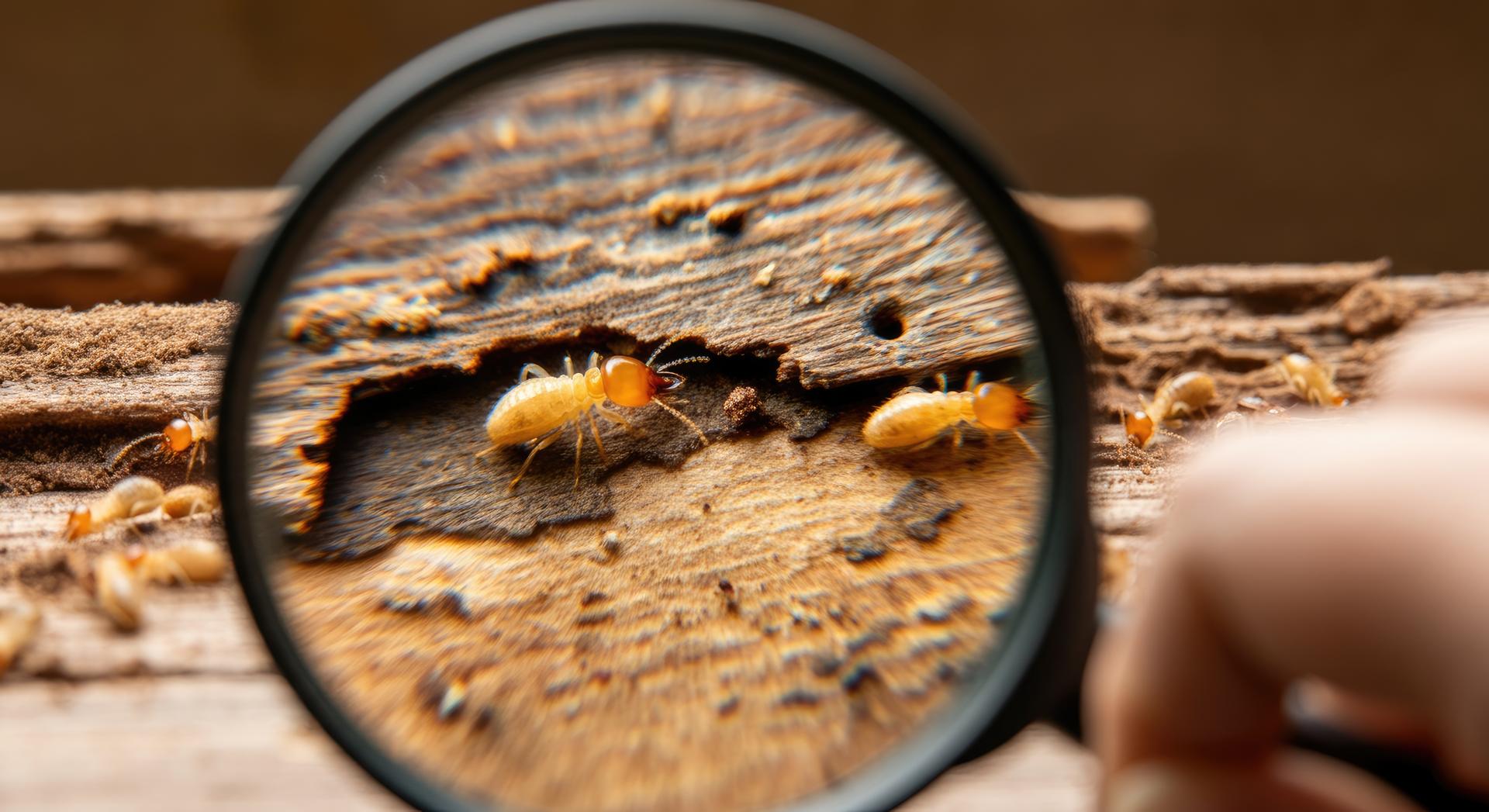
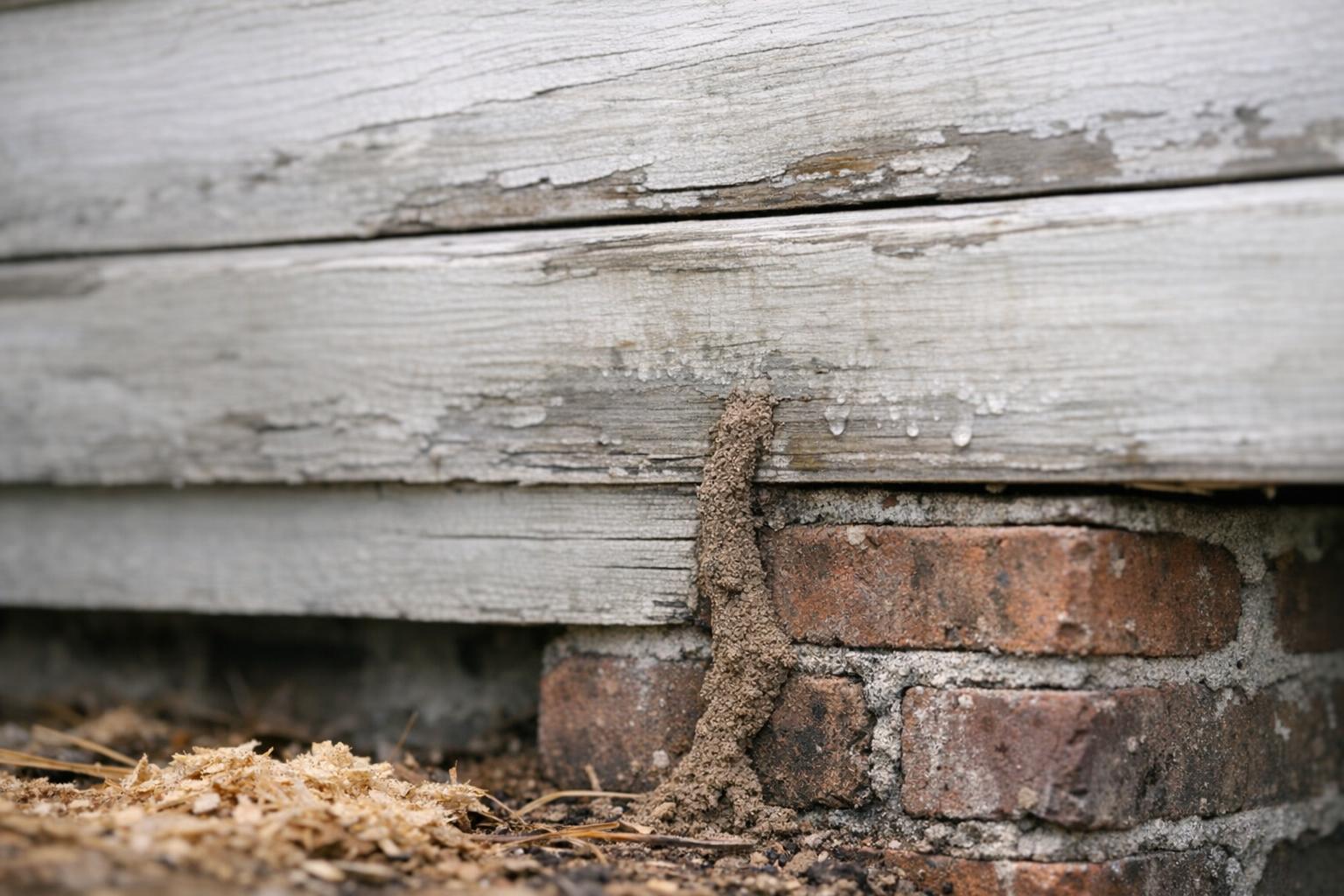
How to tell it’s carpenter bees (not termites, and not a “regular” bee swarm)
Carpenter bees are solitary wood-boring bees. In South Carolina, they’re typically active from early spring through summer, with adults commonly emerging in spring (often April–May).
Quick identifiers homeowners can use:
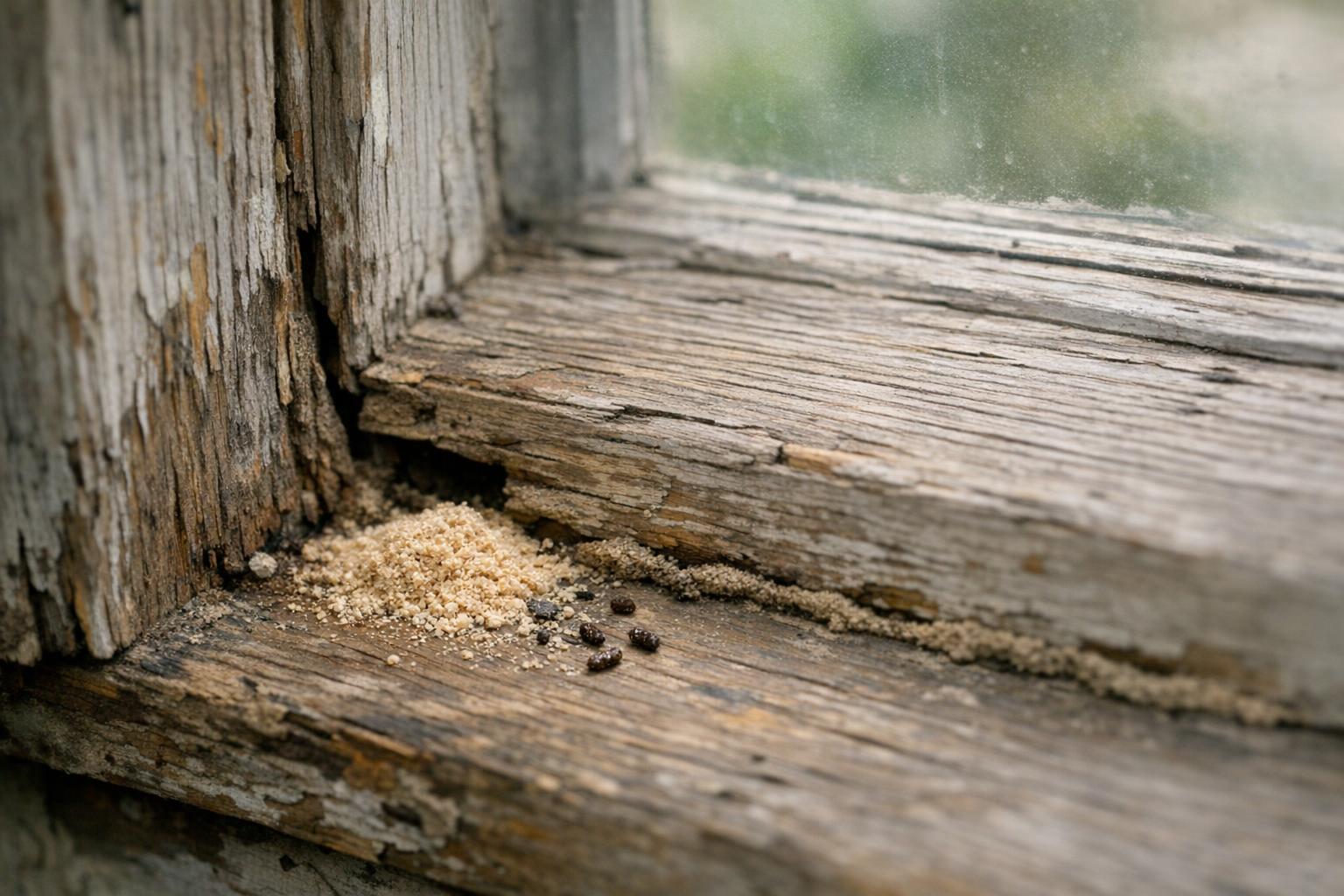
Perfectly round entry holes (often on the underside of boards) and coarse sawdust or “frass” below the hole.
Hovering behavior near the same spot, especially under eaves or around deck rails.
A “bold” bee that won’t leave you alone is often the male (territorial), and males typically can’t sting—though they can still be intimidating.
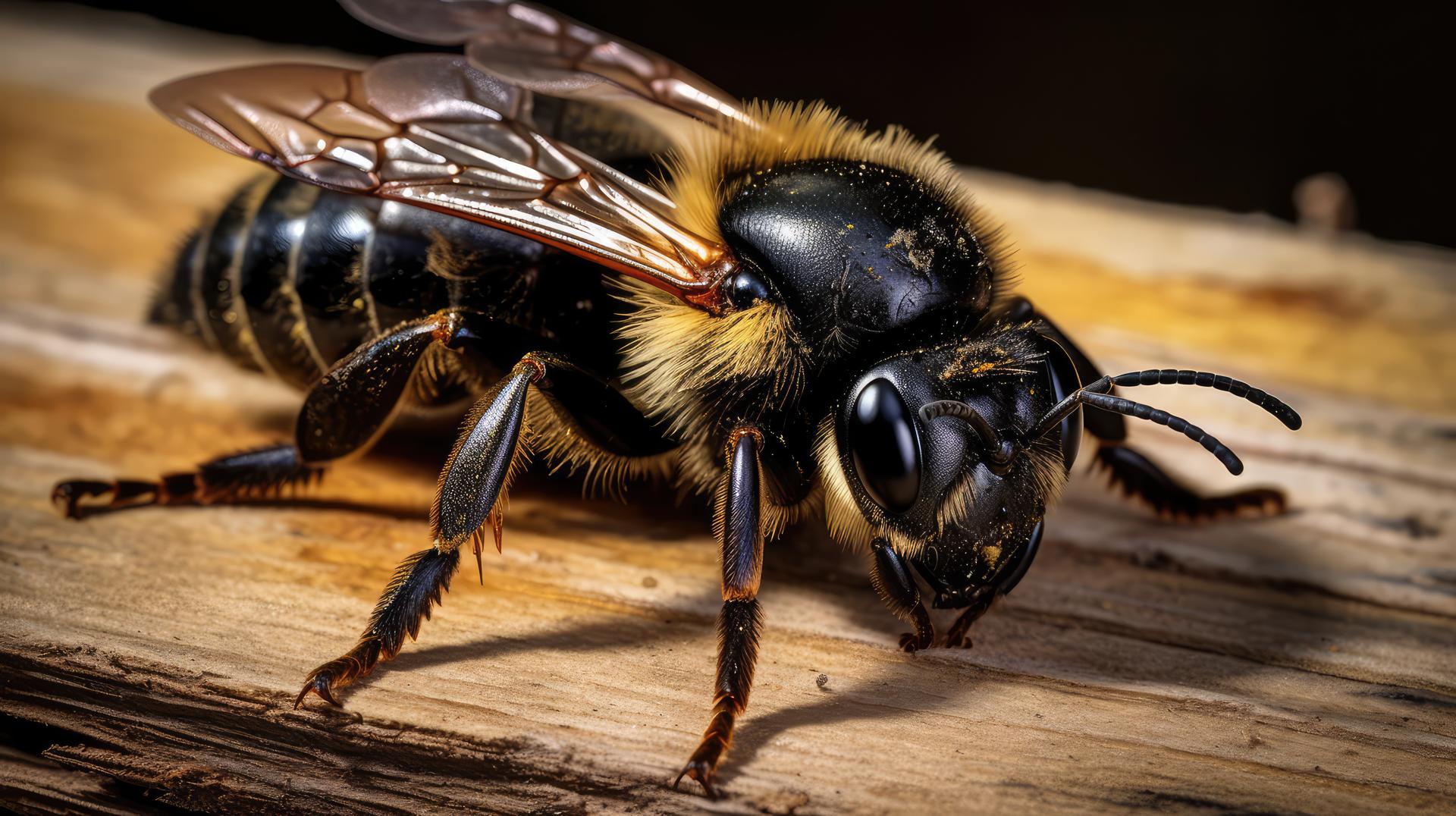
Shiny, darker abdomen compared with the fuzzier look of many bumble bees (a helpful visual clue when you’re deciding whether to treat wood).
Why carpenter bees are a bigger deal in coastal South Carolina
Carpenter bees don’t eat wood the way termites do—but their tunneling can still create real problems over time. The most common “long-term damage” scenario is repeated activity in the same area. When bees reuse or expand old galleries, the wood can weaken and repairs become more expensive.
In the Charleston region, outdoor structures take a beating from humidity, sun, and storms. Weathered or unfinished wood can be more attractive to carpenter bees, so spring is a smart time to inspect and protect decks, fascia, trim, and fences before outdoor living season hits its peak.
Step-by-step: what to do when you first see carpenter bees
1) Confirm the hot spots (and mark them)
Walk the perimeter and check the undersides of rails, joists, eaves, soffits, pergola beams, fence caps, and play sets. Look for round holes and sawdust below.
2) Reduce attraction: protect exposed wood
Carpenter bees tend to prefer unfinished or weathered wood. A practical prevention move is to keep exterior wood properly finished with paint, stain, or varnish, which many homeowners find discourages new boring activity.
3) Don’t ignore “last year’s holes”
Even if you don’t see active bees today, old holes can be reused. Repeated colonization is where the bigger damage risk shows up.
4) Use caution with DIY sprays (especially near kids & pets)
Many over-the-counter products can drift, stain surfaces, or be misapplied around play areas, decks, and entry doors. If your carpenter bee activity is near high-traffic zones (or you’ve got multiple holes across several boards), a professional inspection is usually the fastest path to a plan that’s both effective and safety-minded.
5) Plan for prevention after removal
Successful carpenter bee control usually includes both eliminating current activity and making the wood less attractive going forward—finishing exposed areas, addressing weathering, and maintaining problem spots seasonally.
Did you know? Quick carpenter bee facts homeowners often miss
Carpenter bees can be active from early spring through summer around wooden structures, so early detection helps.
Males may hover aggressively, but typically can’t sting, which is why they often “act scarier” than they are.
The real damage risk is repeat tunneling in the same area—not just a single hole.
Carpenter bee control options (and what each one is best for)
| Approach | Best for | Limitations / watch-outs |
|---|---|---|
| Wood finishing (paint/stain/varnish) | Prevention on exposed, weathered wood surfaces | Requires maintenance; doesn’t always stop active galleries by itself |
| Natural deterrents (e.g., citrus/almond oil applications) | Light-pressure situations; homeowners looking for lower-toxicity deterrence | Often needs frequent reapplication; may not solve repeat nesting patterns |
| Targeted professional treatment + prevention plan | Multiple holes, recurring spring activity, high-traffic family areas | Best results come when paired with wood protection, repairs, and follow-up |
If your goal is carpenter bees Charleston control that holds up season after season, focus on a two-part strategy: (1) stop current activity and (2) make the structure less attractive next spring.
A Lowcountry checklist: where to look around Mount Pleasant & Charleston homes
Use this list when you’re doing a quick walk-around (especially after the first warm stretch of spring):
Decks & porches: undersides of rails, posts, stairs, and joists
Eaves & roofline: fascia boards, soffit edges, trim joints
Fences & gates: fence caps, cross beams, latch-side posts
Outdoor structures: pergolas, gazebos, sheds, play sets
Previously repaired areas: spots you patched, filled, or replaced last year (repeat sites matter)
Serving the Charleston area often means looking beyond Mount Pleasant, too—communities like Charleston, Daniel Island, Isle of Palms, Sullivan’s Island, and surrounding neighborhoods can see similar seasonal pressure on outdoor wood.
When to call a professional for carpenter bee control
If you’re seeing multiple new holes, activity returning to the same boards, or carpenter bees hovering around doors, decks, patios, or play areas, it’s worth getting help before the galleries expand and repairs stack up. Lowcountry Pest Management provides safe, eco-friendly pest management solutions tailored to our coastal climate—plus options for urgent situations when you need same-day help.
Ready for carpenter bee help in Mount Pleasant or Charleston, SC?
Get an inspection and a clear plan to protect decks, eaves, fences, and outdoor spaces—without guesswork.
Request Service / Free Estimate
Prefer to browse first? Visit our services page.
FAQ: Carpenter bee control in Charleston & Mount Pleasant
Do carpenter bees sting?
Females can sting if handled or provoked, but many homeowner “drive-bys” are caused by territorial males—males typically can’t sting.
When are carpenter bees most active in coastal South Carolina?
Activity often ramps up in spring and can continue through summer. Clemson’s Home & Garden Information Center notes carpenter bees are very active from early spring through summer, with adults emerging in spring (often April–May).
Will carpenter bees damage my home like termites?
They don’t eat wood like termites, but repeated tunneling in the same areas can cause considerable damage over time—especially when sites are reused year after year.
Does painting or staining wood really help?
Properly finishing exposed wood (paint, stain, or varnish) is commonly recommended as a deterrent and can make wood less appealing for new drilling.
What if I also have mosquitoes, termites, or rodents?
Many Mount Pleasant and Charleston homeowners tackle seasonal issues together. If you’re dealing with multiple pests, it can be more efficient to plan comprehensive protection—see our mosquito control, termite control, and rodent control options.
Glossary
Fascia board: The horizontal board along the roof edge where gutters are often attached; a common carpenter bee target when wood is exposed or weathered.
Soffit: The underside area beneath the roof eaves; carpenter bees may hover near edges and drill into nearby trim.
Gallery: The tunnel system carpenter bees create inside wood for nesting.
Frass: Sawdust-like debris pushed out of the entry hole during drilling—often visible on surfaces below.