
A practical, Lowcountry-specific plan for fast relief and long-term prevention
Why rodents love attics, crawl spaces, and garages in the Lowcountry
In coastal neighborhoods—especially near marsh edges, wooded buffers, retention ponds, and dense landscaping—rodents can move between natural habitat and structures with very little exposure. Once inside, they can contaminate surfaces with urine/droppings, damage insulation, and create fire risk by chewing on wiring.
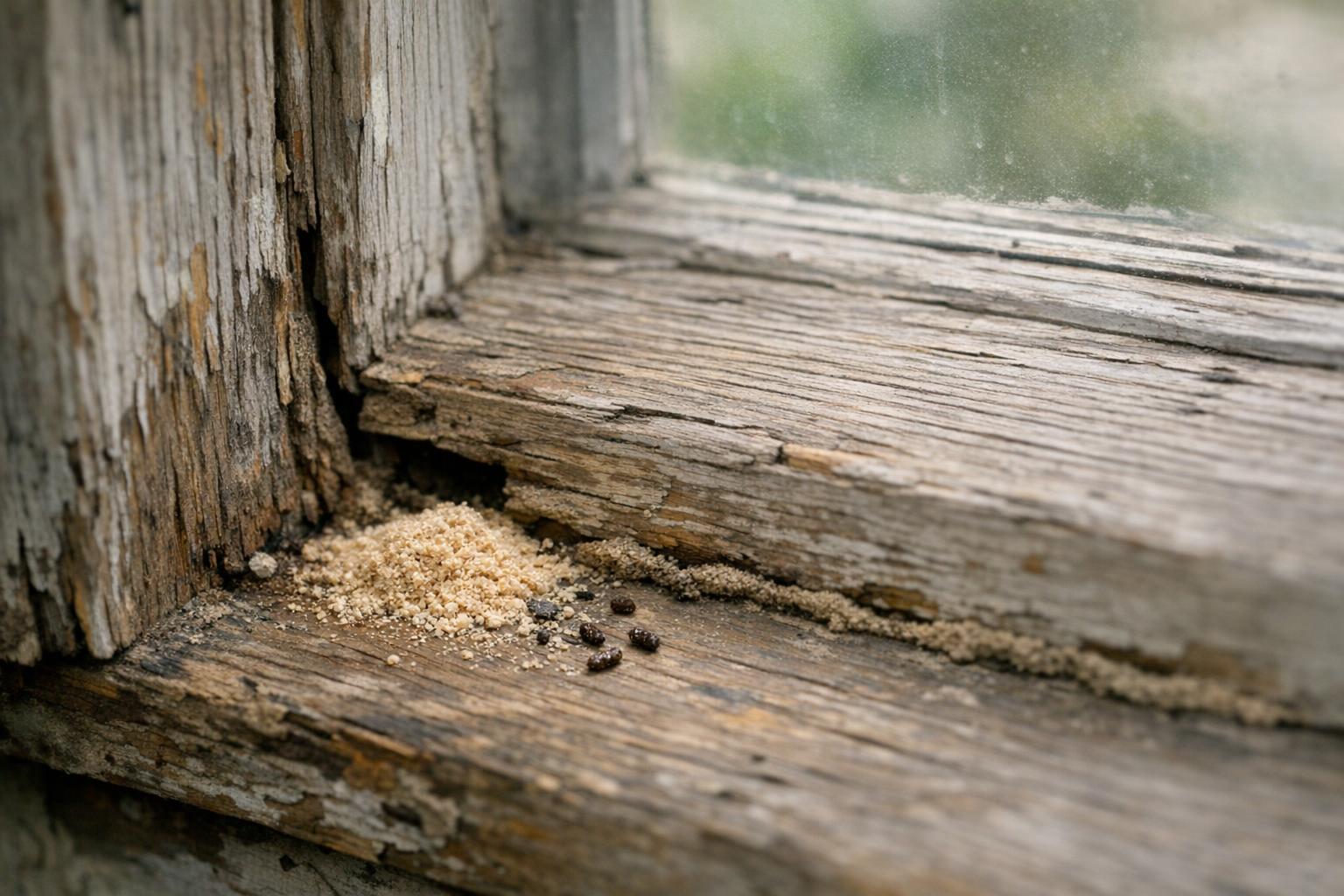
The most common signs you need rodent control (and what they usually mean)
What “rodent control” should include (not just traps)
Key point: If entry points stay open, you can remove one rodent and still end up with the next one moving in. A professional plan focuses on stopping the reinfestation loop.
Step-by-step: How to prevent mice and rats around your home
1) Start with a thorough inspection (outside first)
2) Reduce food attractants (even “healthy” yards can feed rodents)
3) Eliminate harborage (the “safe hiding” factor)
4) Seal entry points (exclusion is the long-term win)
5) Use targeted control methods safely (traps, stations, and monitoring)
If you’re cleaning up droppings or nesting material, follow proven safety guidance to reduce exposure risk during cleanup.
Did you know?
Quick comparison table: DIY vs. professional rodent control
| Category | DIY approach | Professional approach |
|---|---|---|
| Identification | Often guesswork (mouse vs. rat vs. wildlife) | Species-specific plan and placement strategy |
| Exclusion | May miss roofline/vent/penetration gaps | Systematic sealing of primary entry points |
| Safety | Higher risk of poor placement/cleanup exposure | Safer placement, secured equipment, and guidance |
| Long-term results | Often requires repeated resets and re-trapping | Monitoring + prevention plan to reduce recurrence |
A Mount Pleasant & Charleston angle: why crawl spaces matter here
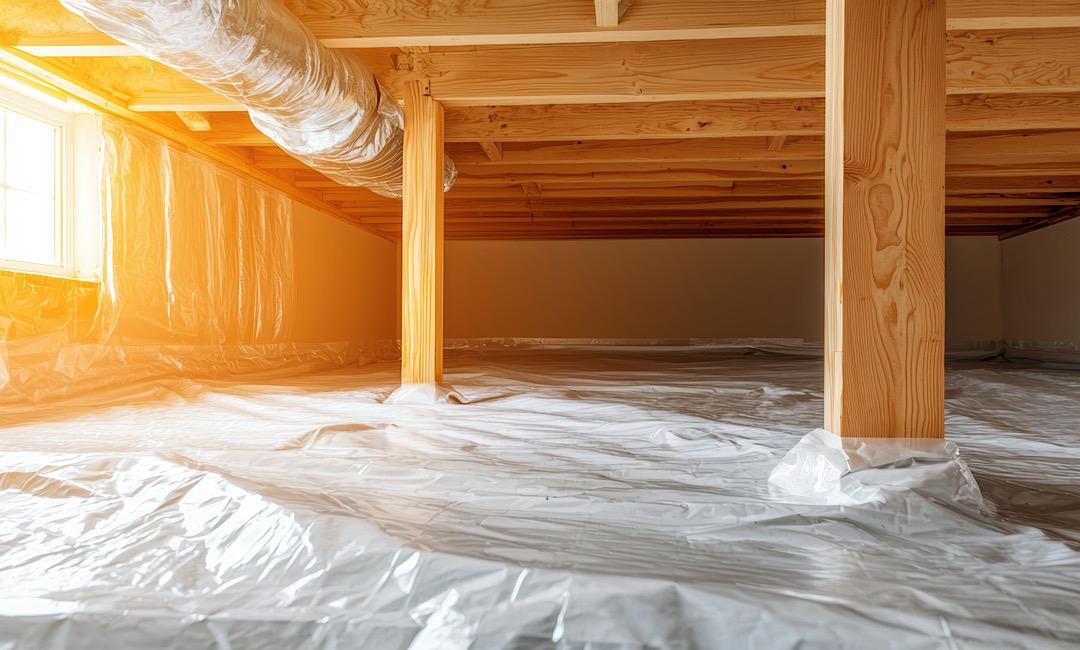
If your crawl space is damp, musty, or cluttered, consider a more comprehensive solution such as cleanup, moisture management, and sealing strategies (encapsulation). Better conditions below the home can mean fewer pests above it.
When it’s time to call for help
Lowcountry Pest Management is family-owned, locally experienced, and equipped to respond quickly with solutions that prioritize safety for families and pets—while focusing on long-term prevention, not just short-term removal.