A practical guide to protecting Lowcountry homes—before damage gets expensive
If you’re searching for a termite inspection in Mt. Pleasant, SC, there’s a good chance you’ve seen something unsettling: pinhole-sized “mud” lines, discarded wings near a window, or wood that suddenly sounds hollow. In the Charleston-area Lowcountry, termites thrive in our humidity and mild winters, and swarms often show up on warm days—frequently after rain—especially in spring and early summer.
Why termite inspections matter in Mt. Pleasant & Charleston
South Carolina homes are most commonly threatened by subterranean termites—termites that live in the soil and access wood through hidden tunnels. Coastal areas can also face pressure from Formosan subterranean termites, an invasive species that has been concentrated in coastal regions (including around Charleston) and is known for large colonies and aggressive feeding.
A thorough inspection is about more than confirming “yes/no termites.” It identifies conditions that invite termites (moisture, wood-to-soil contact, entry points) and helps you choose the right next step—whether that’s treatment, prevention, or targeted repairs.
What a professional termite inspection includes
1) Exterior foundation and “bridge” points
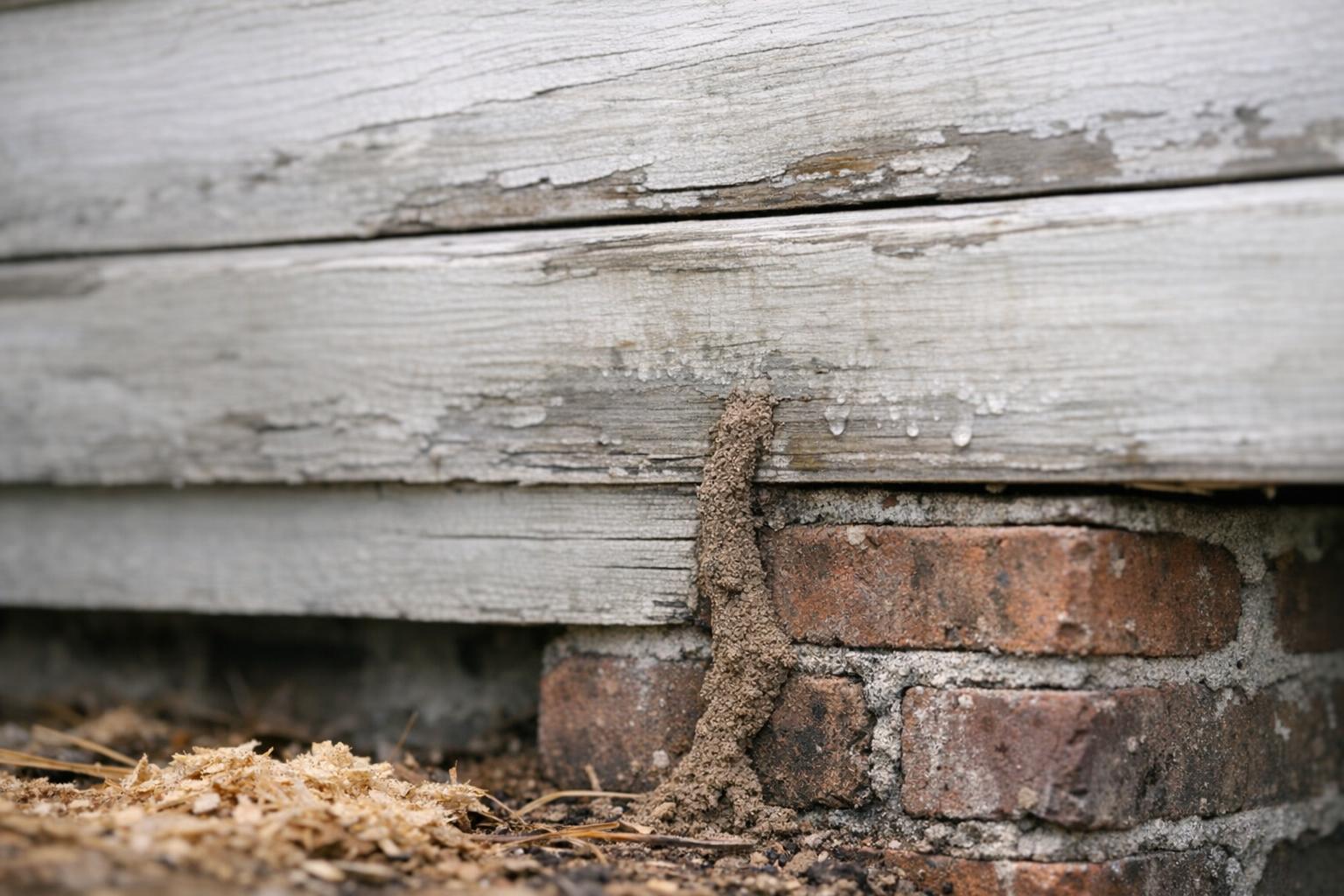
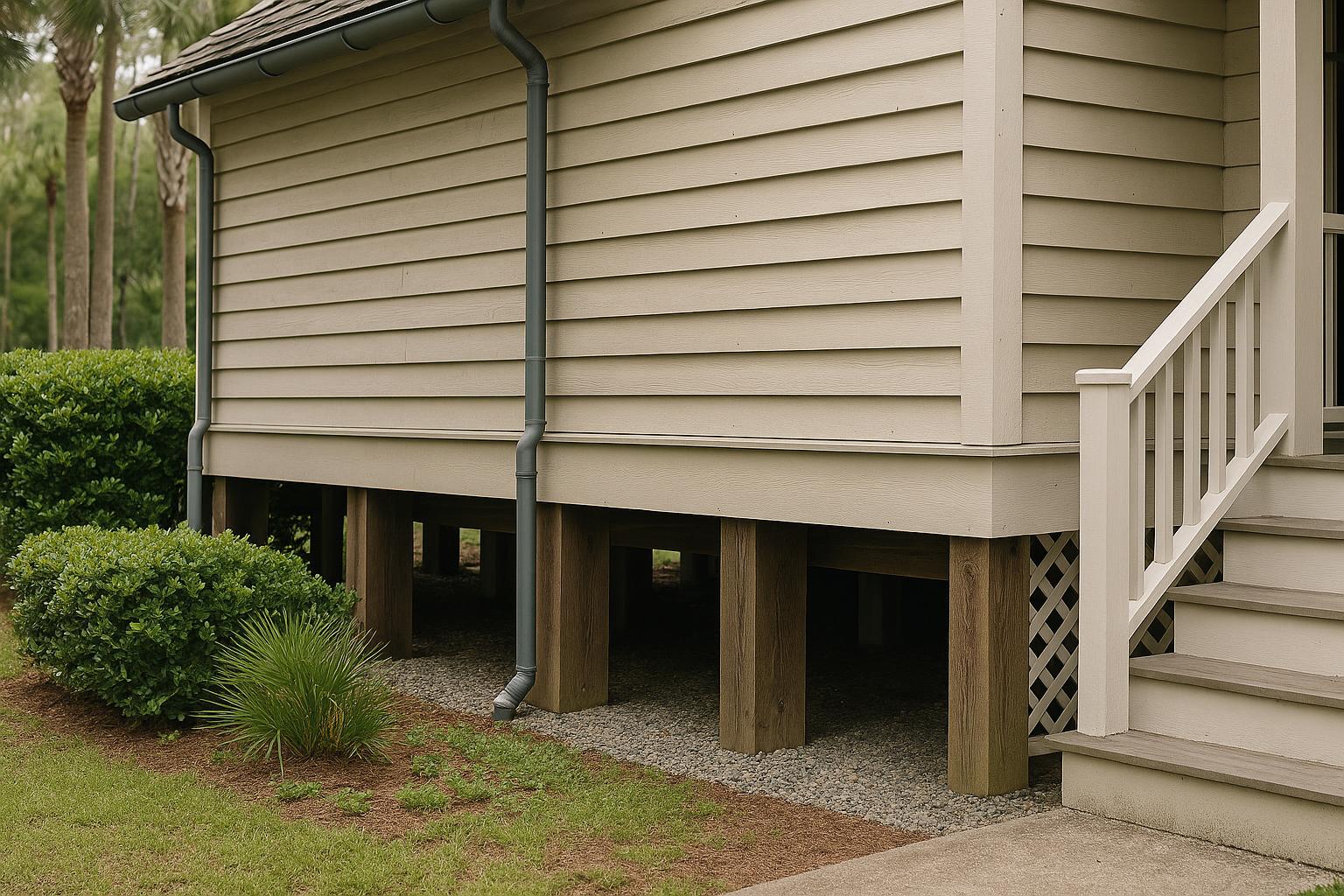
Inspectors start outside because that’s where the “highways” usually begin. We look for mud tubes along foundations, piers, and behind utility penetrations, plus landscaping features that can unintentionally provide cover—mulch piled too high, dense plantings against the wall, or stored lumber against the house.
2) Crawl space (the Lowcountry “ground zero”)
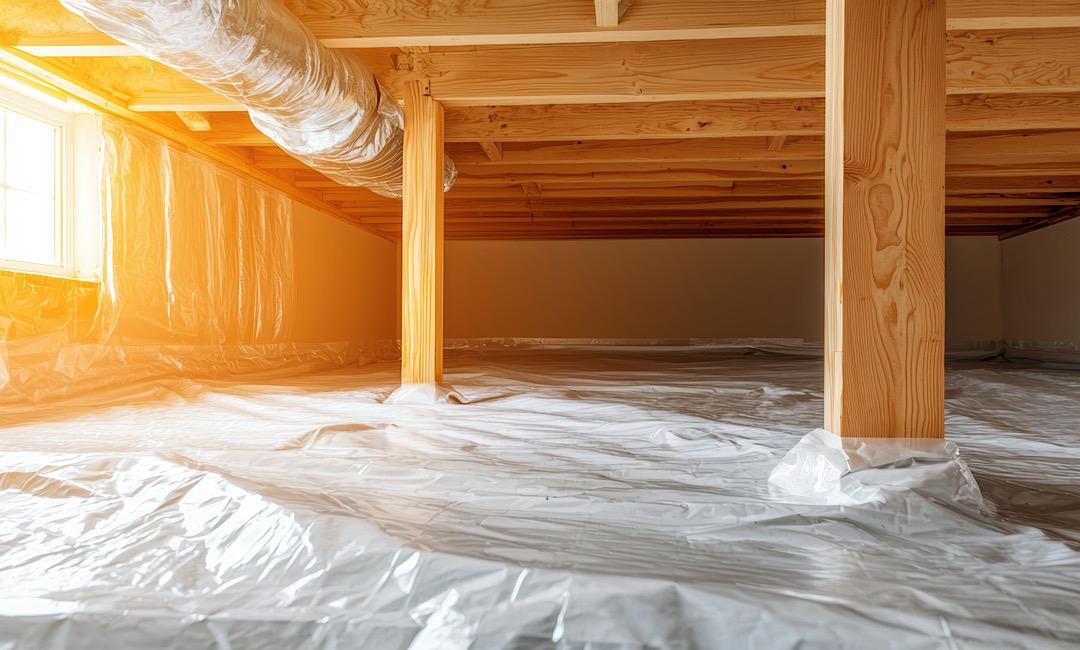
In Mt. Pleasant and surrounding coastal communities, crawl spaces often hold the clues: elevated humidity, condensation, damp soil, and wood members close to soil. We inspect sill plates, joists, girders, and piers for signs of activity, past damage, and moisture conditions that make termites more likely to return.
3) Interior “hot spots” (windows, baseboards, and plumbing walls)
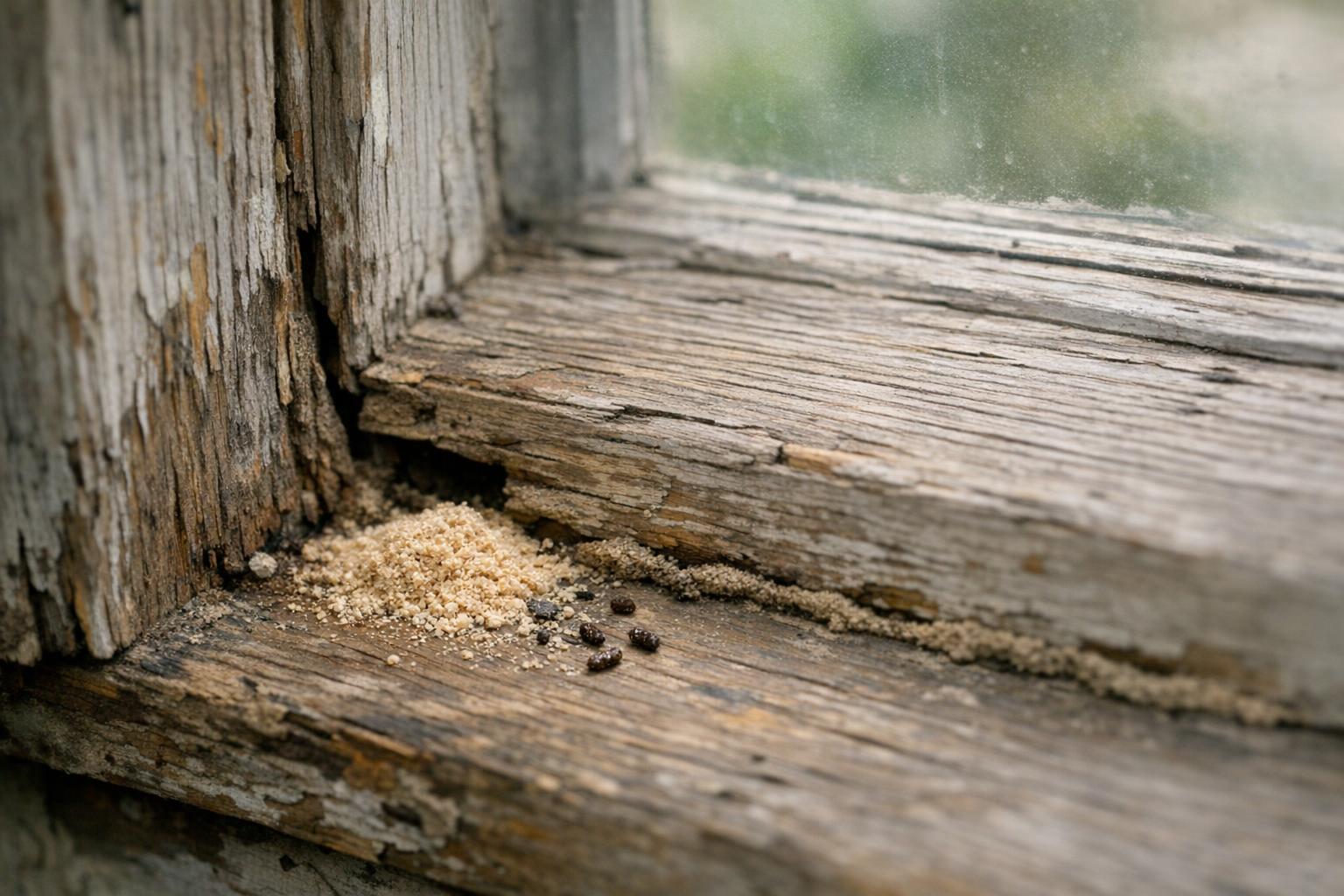
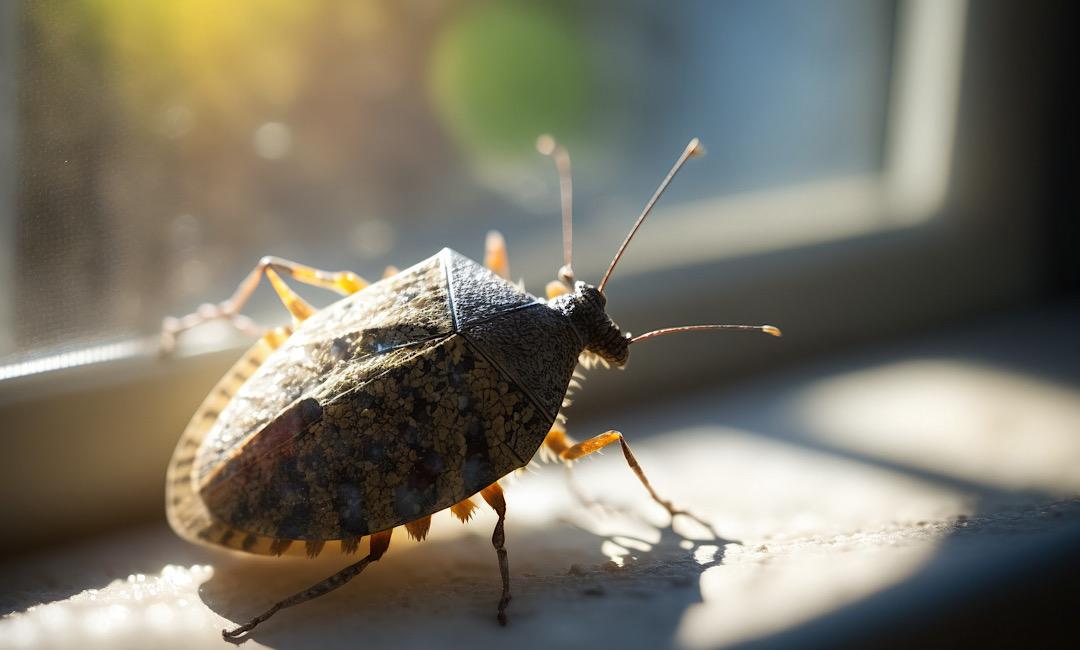
Termites often stay hidden, so inspections focus on areas where moisture and wood meet: bathroom plumbing walls, laundry rooms, kitchens, and windows/doors where swarmers may collect. Swarmers (winged termites) are especially important in spring/early summer; finding wings indoors is a reason to schedule an inspection promptly.
4) Risk assessment + clear next steps
A good inspection doesn’t end with “we saw/didn’t see termites.” It should explain why your home is or isn’t vulnerable, which areas need monitoring, and what prevention measures will actually move the needle (not just “spray and hope”).
Quick self-check: 9 signs that should trigger a termite inspection
| What you notice | Why it matters | What to do |
|---|---|---|
| Discarded wings near windows or lights | Swarmers shed wings after landing; indoor wings can indicate nearby activity | Schedule an inspection, especially in spring/early summer |
| Mud tubes on foundation, piers, or walls | Subterranean termites use tubes to stay moist and hidden | Don’t scrape and ignore—get it inspected |
| Bubbling/peeling paint that looks like water damage | Termites can raise moisture levels behind surfaces | Check moisture sources; book an inspection |
| Hollow-sounding wood, soft spots, or sagging | Wood may be compromised internally | Avoid DIY “patches” until you know the cause |
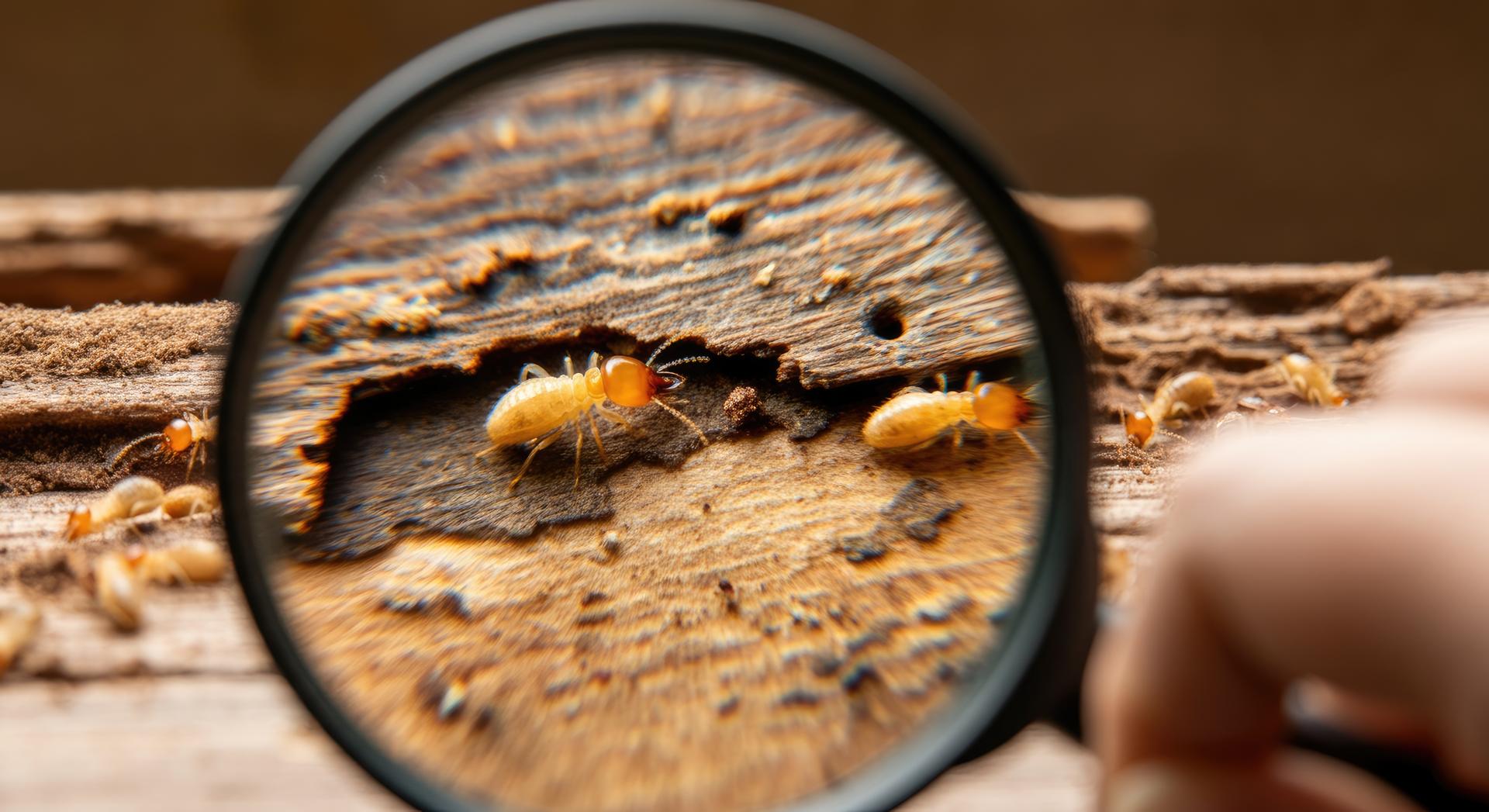
| Tiny “maze-like” lines in wood | Galleries can be visible where wood is exposed | Document it and request an inspection |
| Doors/windows are suddenly sticking | Can be humidity, but also structural movement from damage | Rule out moisture issues and inspect if other signs exist |
| High crawl space humidity / musty odor | Moisture increases the risk for termites and wood decay | Ask about moisture control/encapsulation |
| Firewood or lumber stored against the home | Creates shelter and a direct bridge to the structure | Move it away and elevate it |
| You saw a “swarm” after the rain | Warm, damp conditions can coincide with swarming activity | Schedule an inspection promptly |
Important: Swarm season timing varies by species and weather, but in the Charleston area, it commonly shows up in spring and early summer (often after rain on warm days).
Step-by-step: how to prepare for a termite inspection (and get better answers)
Step 1: Collect what you’ve noticed
Take a few clear photos of wings, mud tubes, or damaged areas. Note where you saw it and when (especially if it appeared after a rain event).
Step 2: Make the crawl space accessible
Clear stored items away from the access door/hatch. If it’s safe to do so, make sure the area is unlocked and the inspector can reach key points like perimeter walls and support piers.
Step 3: Don’t “disturb the evidence”
Avoid scraping off mud tubes or spraying store-bought chemicals right before your appointment. It can make it harder to identify the termite type and the active areas that need attention.
Step 4: Ask three specific questions
(1) Where is the moisture coming from (if present)? (2) What structural or site conditions are increasing risk? (3) What prevention plan fits my home’s construction and the Lowcountry environment?
Mt. Pleasant & Charleston local angle: why our homes are uniquely vulnerable
Coastal humidity and frequent rain keep soil moisture high—perfect conditions for subterranean termites to stay active and hidden. Add crawl spaces, shaded lots, and dense landscaping, and termites can go unnoticed until there’s meaningful damage.
Homeowners across Mount Pleasant, Charleston, North Charleston, Daniel Island, Isle of Palms, Sullivan’s Island, James Island, West Ashley, and Summerville often see swarms around the same seasonal windows—warm days, sometimes after rain, commonly in spring and early summer.
If you’ve heard the term “Formosan termites” locally, Clemson’s Home & Garden Information Center notes that Formosan subterranean termites tend to be most concentrated in coastal areas from Charleston south toward Beaufort.
Schedule a termite inspection in Mt. Pleasant, SC
If you’ve spotted wings, mud tubes, or moisture in the crawl space, getting a professional inspection is the fastest way to reduce uncertainty and protect your home. Lowcountry Pest Management provides experienced, eco-friendly pest management options tailored to the Lowcountry climate—serving Mt. Pleasant, Charleston, and surrounding communities.
FAQ: Termite inspections in Mount Pleasant, SC
How often should I get a termite inspection in Mt. Pleasant?
Many homeowners choose at least an annual inspection, and sooner if you’ve had prior activity, moisture problems, or you notice swarmers/wings during spring and early summer.
If I saw a swarm outside, does that mean my house has termites?
Not always. Swarms can originate from nearby areas, and different termite species swarm at different times. Still, swarms—especially near your home—are a strong reason to schedule a professional inspection.
What’s the difference between subterranean termites and Formosan termites?
Both can be subterranean, but Formosan subterranean termites are an invasive species known for large colonies and heavy feeding pressure. In South Carolina, they tend to be concentrated in coastal areas, including around Charleston.
Should I use a DIY termite spray if I see wings or mud tubes?
DIY sprays can create a false sense of security and may make it harder to locate the active areas. For suspected termites, an inspection first is usually the smartest move, so treatment is targeted and complete.
Can crawl space moisture control help with termites?
It can significantly reduce risk. Termites thrive in damp conditions, and crawl space moisture problems can make wood more vulnerable. If you’re dealing with recurring humidity or musty odors, consider pairing termite prevention with crawl space encapsulation.
Glossary (helpful termite terms)
Want help identifying what you’re seeing? Browse our Pest Library or contact Lowcountry Pest Management to schedule an inspection.