A practical, coastal-ready plan for fast relief and long-term prevention
If you’re hearing scratching overhead at night, spotting droppings in the garage, or noticing a “musty” smell near your crawl space, it’s smart to act early. In Mount Pleasant’s warm, humid, coastal environment, rodents can stay active most of the year—and once they’ve found shelter, they tend to reuse the same routes and nesting spots. This guide explains how homeowners in Mt. Pleasant (and nearby Charleston, SC) can identify what’s happening, reduce risk quickly, and prevent repeat problems with a professional, eco-conscious approach.
Why rodents love Mt. Pleasant homes (especially attics and crawl spaces)
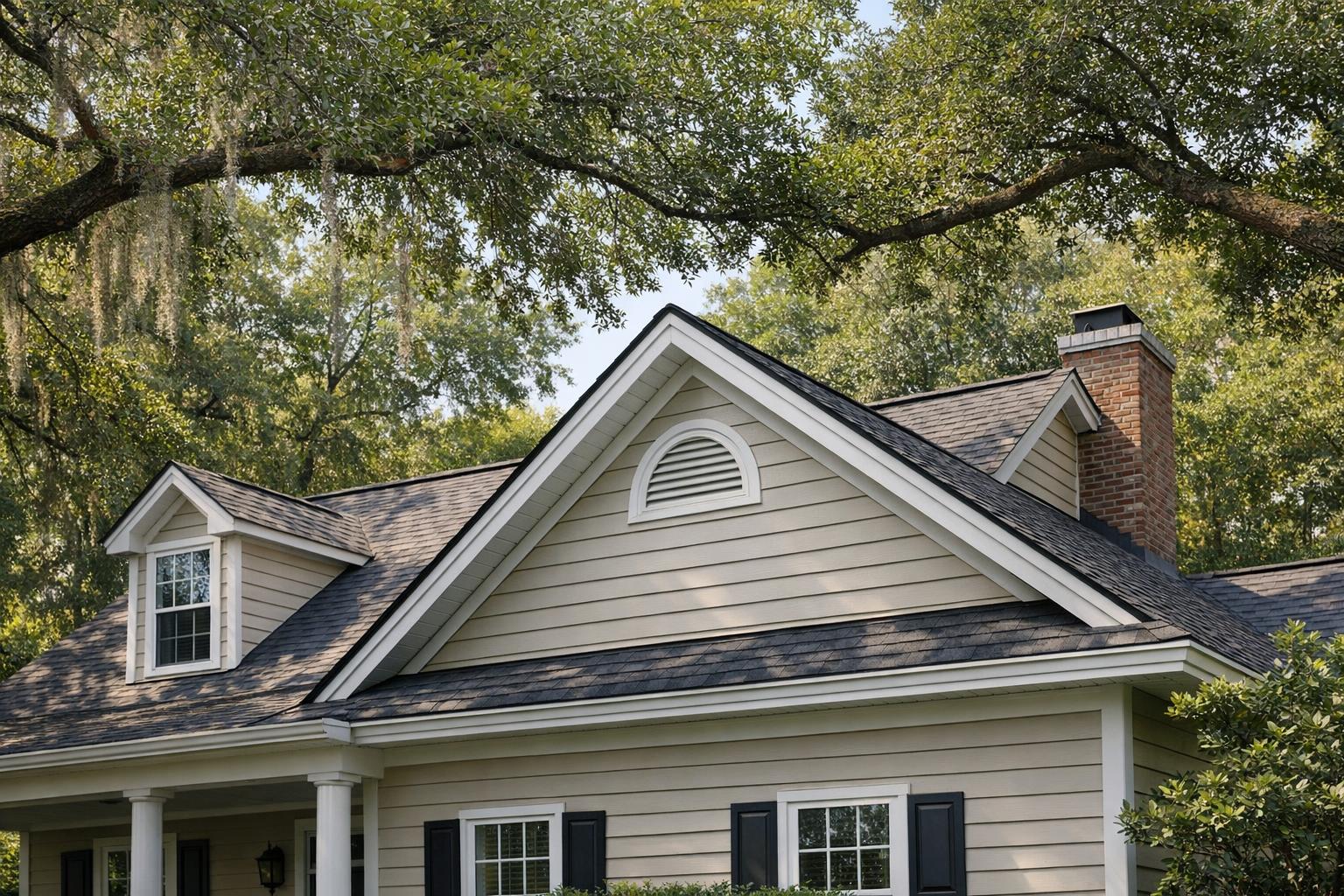
Rodents aren’t looking for trouble—they’re looking for three things: shelter, steady food, and hidden travel lanes. In coastal South Carolina, common entry points and hiding places include soffits, roofline gaps, crawl-space vents, garage door corners, pipe penetrations, and gaps around HVAC lines.
Most common “hot zones” we see in the Lowcountry
| Home area | Why rodents choose it | What homeowners notice |
|---|---|---|
| Attic | Warm, quiet, protected nesting; easy access from roofline/trees | Scratching at night, insulation disturbance, droppings near access hatch |
| Crawl space | Humidity, cover, and easy entry via vents and gaps | Musty odor, droppings near vent openings, torn insulation |
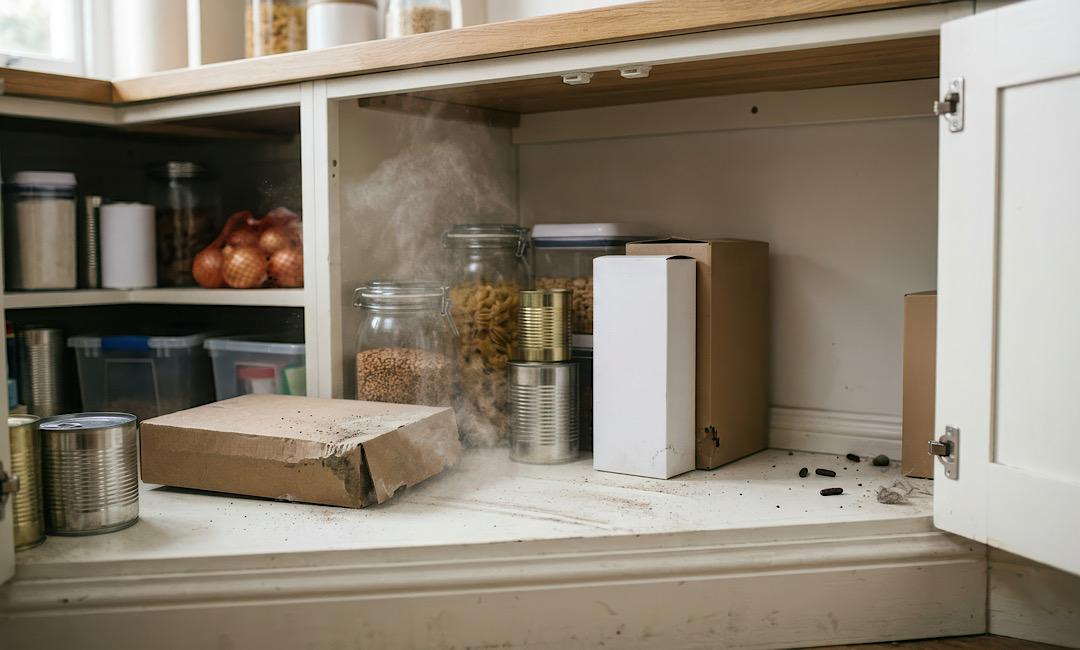
| Garage | Pet food, stored seed, cluttered corners, door gaps | Chewed bags, small dark droppings, greasy rub marks along walls |
| Kitchen/pantry | Reliable food and water sources | Noises behind appliances, gnaw marks, droppings in cabinets |
Tip: Rodents often avoid new traps or bait placements initially (a behavior commonly called “bait shyness”), so consistent placement and a full plan matter more than quick DIY resets.
Rodent activity isn’t just annoying—here’s what it can cost you
1) Health & indoor air quality
Rodent urine and dander can contribute to allergy symptoms and may trigger asthma in sensitive individuals. Rodents can also contaminate spaces with droppings and nesting materials—cleanup should be done carefully and safely, especially in enclosed areas like attics and crawl spaces.
2) Home damage (and expensive surprises)
Mice and rats gnaw constantly. That can mean damaged wiring, shredded insulation, torn ductwork, and compromised vapor barriers. In humid Lowcountry conditions, any new openings or damp nesting zones can also increase the chance of odor, staining, and secondary pest issues.
3) Faster population growth than most people expect
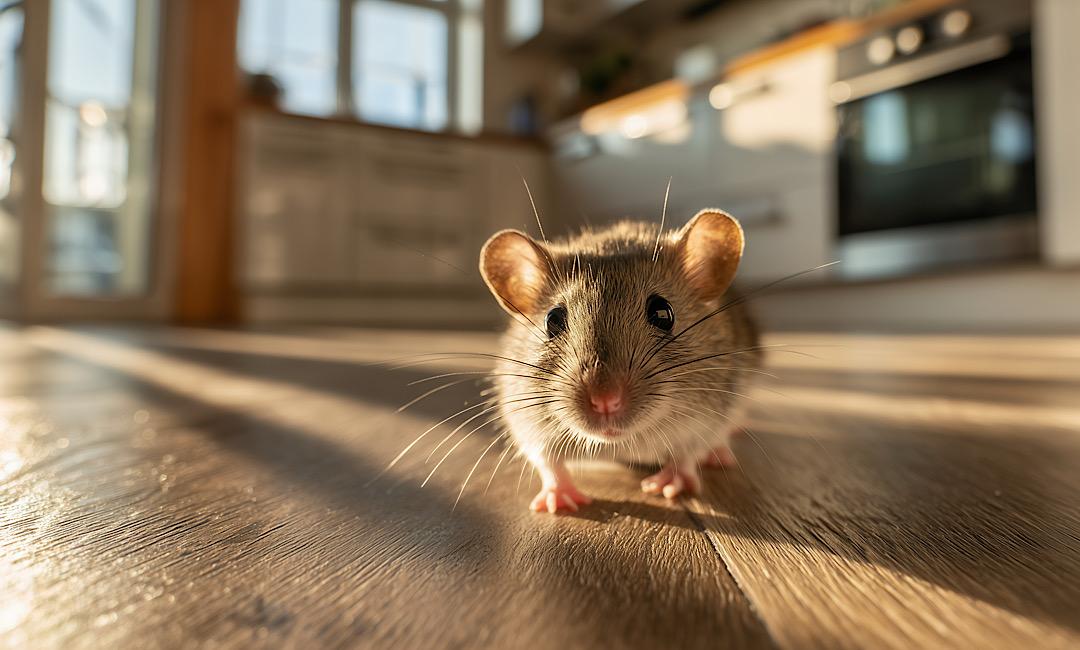
If you’re seeing rodents during the day or noticing repeated droppings after cleaning, there’s a strong chance the activity level is already higher than it appears. Early intervention is usually simpler, cleaner, and less disruptive.
What “best rodent control” looks like in Mt. Pleasant (a 5-step plan)
Step 1: Identify the rodent and map the routes
A thorough inspection looks for droppings size/shape, rub marks, gnawing, nesting material, and entry points (roofline, soffits, crawl-space vents, garage corners, utility penetrations). Correct identification helps determine the right trap strategy and where exclusion will actually work.
Step 2: Exclusion first (seal, screen, reinforce)
The most effective long-term rodent control is keeping them out. That means sealing gaps, adding rodent-resistant door sweeps, and reinforcing vulnerable areas with materials that can’t be chewed easily (metal flashing, proper screening/hardware cloth where appropriate). Even small openings can matter, so detail work is everything.
Step 3: Sanitation and storage upgrades that remove “easy wins”
Rodents stay where food and nesting material are consistent. Sealed containers for pet food and bird seed, reducing garage clutter, cleaning grill grease areas, and keeping crawl-space debris under control all reduce the payoff rodents get from returning.
Step 4: Targeted trapping and smart placement (not random DIY baiting)
Traps work best when placed along walls and travel edges—where rodents naturally move—rather than in open areas. A professional plan also accounts for avoidance behavior and adjusts placement over time. If bait is used, it should be part of a controlled program that prioritizes safety for kids, pets, and non-target wildlife.
Step 5: Remediation to keep the problem from “lingering”
Even after rodents are removed, droppings, urine, and contaminated insulation can remain—especially in attics and crawl spaces. Addressing odors, replacing damaged materials, and improving moisture control helps prevent reinfestation and improves indoor air quality.
Quick “Did you know?” rodent facts for Lowcountry homeowners
Did you know? Exclusion is the backbone of modern integrated pest management (IPM): sealing entry points and reducing harborages typically improves results and reduces reliance on chemical tools.
Did you know? Cleaning up droppings requires care—dry sweeping or vacuuming can increase exposure risk. Using the right wet-clean method and protective gear is safer.
Did you know? Some rats are strong climbers and can access rooflines from trees, fences, and utility lines—especially common in wooded and coastal neighborhoods.
Local angle: Rodent prevention tips tailored to Mount Pleasant (and Charleston)
Coastal humidity + crawl spaces: don’t ignore moisture control
In Mt. Pleasant, many homes rely on vented crawl spaces that can trap humidity. Damp conditions can degrade insulation and create comfortable hiding spots. Pairing rodent exclusion with moisture control (like vapor barriers and encapsulation strategies) helps reduce “habitat value” under the home.
Yards and storage habits matter more near marsh and wooded edges
Keep shrubs trimmed away from the home, store bulk items (seed, grass feed, pet food) in sealed bins, and reduce ground cover that creates hidden runways. If you’re near wooded buffers, waterfront, or marsh areas, schedule routine checks of soffits, garage door seals, and crawl-space openings—small gaps become “regular doors” for rodents over time.
Helpful next steps on the Lowcountry Pest Management site: Rodent Control in Mt. Pleasant & Charleston, Crawl Space Encapsulation & Moisture Control, and General Pest Control.
Need fast, safe rodent control in Mt. Pleasant?
Lowcountry Pest Management is family-owned with 22+ years of Lowcountry experience. If you suspect rodents in your attic, crawl space, or garage, a professional inspection can pinpoint entry points and build a prevention plan that protects your home and your family.
FAQ: Rodent control in Mount Pleasant, SC
What are the first signs of rodents in an attic or crawl space?
Nighttime scratching or scurrying, droppings near access points, disturbed insulation, gnaw marks, and strong ammonia-like odors are common. In crawl spaces, you may also notice torn vapor barrier areas or debris pulled into nest piles.
Is DIY baiting a good idea if I have kids, pets, or wildlife nearby?
DIY baiting can create avoidable risks if products are misapplied or accessible to non-target animals. A professional program can prioritize exclusion and use controlled methods (including tamper-resistant placements when appropriate) to reduce risk and improve results.
Why do I keep getting rodents even after I trap a few?
Trapping removes individuals, but it doesn’t remove access. If entry points and travel routes remain open—or if food sources are still available—new rodents replace the ones removed. That’s why the “best rodent control” focuses on exclusion and prevention.
Do rodents in the crawl space affect indoor air quality?
They can. Odors, allergens, and contamination in a crawl space may move upward into living areas, especially if ductwork or floor penetrations are present. Pairing rodent work with crawl-space cleanup and moisture control can make a noticeable difference.
When should I call a professional for rodent control in Mt. Pleasant?
Call as soon as you confirm activity (sounds, droppings, or sightings), especially if it’s in the attic, crawl space, or near wiring/ductwork. Early inspections typically mean fewer entry points to repair and less cleanup to do.
Glossary (helpful terms you’ll hear during rodent control)
Exclusion
Physical repairs and reinforcements that prevent rodents from entering (sealing gaps, screening vents, installing door sweeps, and protecting vulnerable openings).
Integrated Pest Management (IPM)
A prevention-first strategy that combines inspection, exclusion, sanitation, monitoring, and targeted control methods to solve pest problems with less risk and more reliability.
Harborage
Protected hiding or nesting areas that make a property “comfortable” for rodents (clutter, thick vegetation, insulation voids, stored materials).
Vapor barrier
A durable liner used in crawl spaces to reduce ground moisture. When damaged, it can create damp zones and hidden pathways that pests take advantage of.
Related services that often pair well with rodent prevention: Air Duct Cleaning, Termite Control, and Pest Identification Library.