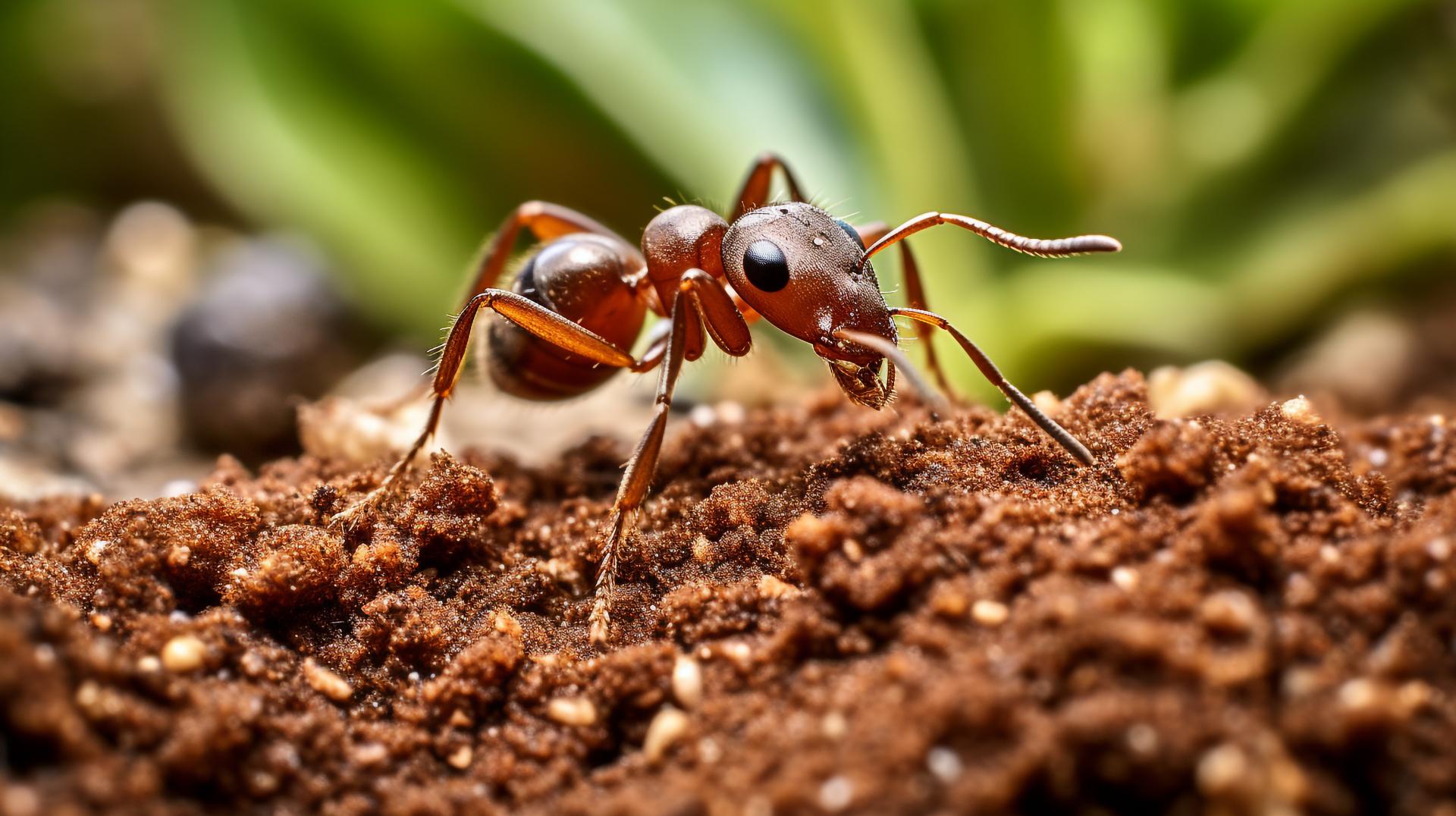
Why “just spraying the trail” doesn’t stop Argentine ants in the Lowcountry
Argentine ants can feel relentless in Mount Pleasant and the Charleston area—especially when warm, humid weather pushes them to forage for food and moisture indoors. If you’ve wiped up a trail only to see it reappear (sometimes within hours), you’re not imagining things. Argentine ant colonies can be massive and are often best controlled with a bait-forward, integrated approach rather than quick-contact sprays alone. Research-based IPM guidance emphasizes combining sanitation, exclusion, and targeted baiting for more reliable results.
What makes Argentine ants so hard to eliminate?
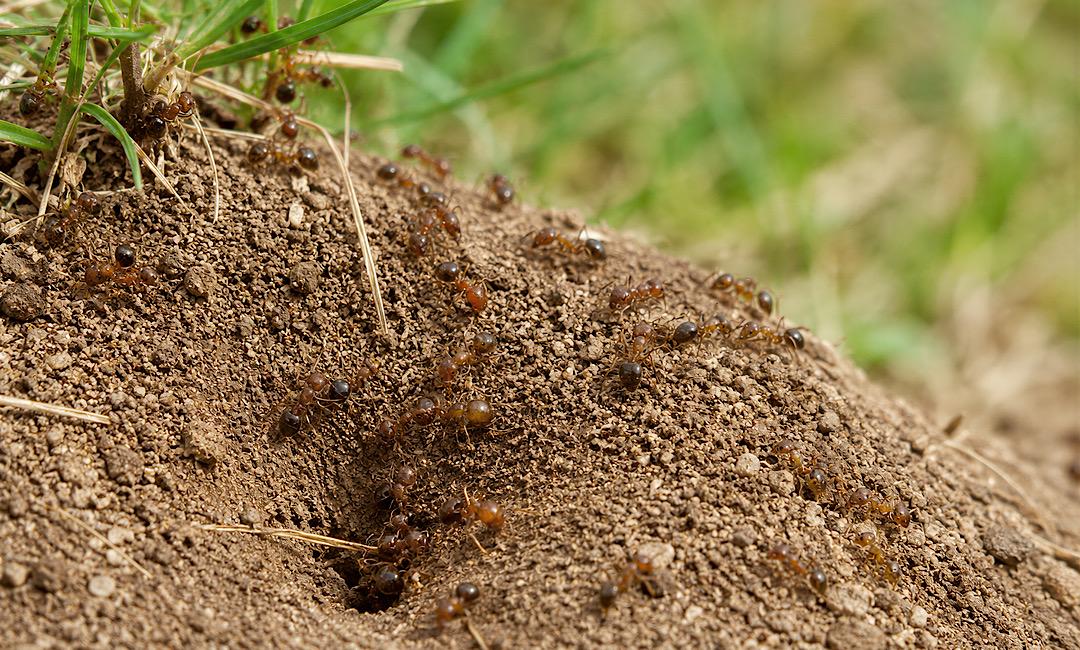
Argentine ants (Linepithema humile) behave differently from many other common household ants. Instead of one obvious mound, they may nest in multiple shallow sites (mulch, pavers, landscape edges, wall voids), and they recruit quickly to food and water. That’s why a “kill what you see” approach often turns into a cycle: you knock down foragers, but the colony continues sending more.
Key takeaway
The goal isn’t just to stop the line you see—it’s to get control products back to the colony structure (including queens) and remove what’s attracting ants to your home in the first place. IPM programs for Argentine ants commonly rely on baiting plus exclusion and cleanup.
DIY vs. Professional Argentine ant control (what usually works best)
Many Charleston-area homeowners start with store-bought sprays or “home remedies.” Some of these can help temporarily, but Argentine ants often require a more methodical plan—especially when trails keep returning, or the ants are moving between indoors and landscape areas.
| Approach | Pros | Common pitfalls | Best use |
|---|---|---|---|
| Spray the trail | Fast visible knockdown | Often doesn’t reach the colony; can interfere with baiting if used near bait | Short-term cleanup (not primary control) |
| Sweet liquid/gel baiting | Targets colony via sharing/return trips | Wrong bait type; competing food/water sources; bait dries out | Core strategy for Argentine ants |
| Exclusion + sanitation | Reduces pressure fast; prevents repeats | Missed micro-gaps; food residue still available | Always (pairs with baiting) |
| Professional IPM program | Correct product selection, placement, and follow-up | Choosing “spray-only” service instead of an IPM plan | Recurring or heavy activity, indoor/outdoor trails |
Note: UC IPM guidance specifically highlights bait-based programs (plus sealing and cleaning) as a more effective and lower-risk approach than broad perimeter sprays for nuisance ants.
Step-by-step: A safer, smarter plan for Argentine ants (indoors + outdoors)
1) Confirm you’re dealing with Argentine ants
If you see steady trails along baseboards, countertops, window sills, and outdoor hardscape edges, Argentine ants are a strong possibility in the Charleston region. Correct identification matters because bait type and placement strategy can change by species. If you’re unsure, use our pest library to compare common local pests or call for help.
2) Remove competing food and water (so bait wins)
Argentine ants often prefer sweet liquid baits. For baits to work, reduce the alternatives: wipe sticky residues, store sugar/snacks in sealed containers, rinse recyclables, and don’t leave pet food out overnight. UC IPM also recommends removing competing resources so ants feed on the bait instead.
3) Place baits correctly (and don’t sabotage them)
Baits work when foragers pick them up and share them back through the network. Place bait along foraging routes and near entry points—then be patient. A critical rule: avoid spraying insecticides on trails or near bait placements, because it can repel or kill foragers before they deliver bait back to the colony.
4) Seal the easy entry points (small gaps, big impact)
Caulk around window frames, seal utility penetrations, and repair door sweeps. Even if you’re baiting, exclusion reduces how many ants can “test” your kitchen and bathrooms each day. For broader, year-round protection, our pest control services can help combine interior exclusion advice with an outdoor-focused program.
5) Address moisture and hidden harborage (the Lowcountry advantage for ants)
In Mount Pleasant and surrounding coastal neighborhoods, damp crawl spaces and humid voids can keep pest pressure high. If you notice musty odors, standing water, or persistent moisture under the home, consider moisture control improvements. Crawl space work can reduce conditions that support multiple pests—not only ants. See crawl space encapsulation options if moisture is a repeating theme.
“Did you know?” Quick Argentine ant facts
Baiting is often the most effective backbone
University-based IPM guidance emphasizes baiting, sanitation, and exclusion—and notes that perimeter sprays are typically less effective than a bait-based program for many nuisance ant problems.
Sprays can work against you if used around bait
Spraying on/near trails can reduce bait pickup and interfere with the “carry it back” mechanism that makes baits effective.
Child- and pet-safety should guide placement
Any pesticide bait product should be used strictly according to the label, kept inaccessible to kids and pets, and placed thoughtfully—especially in active family spaces.
Local angle: Argentine ant pressure in Mount Pleasant, Charleston, and nearby communities
The Charleston metro’s heat, humidity, and long warm seasons can make ant issues feel “never-ending”—especially in neighborhoods with irrigated lawns, dense landscaping, shaded mulch beds, and frequent outdoor dining. We commonly see trails start outdoors (around patios, outdoor kitchens, pool decking, and HVAC pads) and then shift indoors when ants follow plumbing lines or tiny gaps around windows and doors.
If you’re in Mount Pleasant, Charleston, North Charleston, Daniel Island, Isle of Palms, Sullivan’s Island, James Island, or West Ashley and you’re seeing repeat trails, it’s often a sign you need a coordinated indoor/outdoor plan—not a single “one-and-done” application.
Want expert help with Argentine ants—without guesswork?
Lowcountry Pest Management provides family- and pet-conscious pest control options designed for Mount Pleasant and Charleston’s unique conditions. If DIY baits aren’t holding, trails keep moving, or you want a clear plan that prioritizes long-term prevention, we can help.
FAQ: Argentine ants in Charleston, SC
How long does bait take to work on Argentine ants?
It varies, but effective baiting is not instant. Baits are designed to be carried and shared, so you may see activity continue (or even increase at the bait) before numbers drop. Consistent placement and removal of competing food sources improve results.
Should I spray the ants if I’m using bait?
Avoid spraying insecticides on trails or near bait placements. IPM guidance for Argentine ants specifically warns that spraying around baits can reduce bait success. If you need a quick cleanup indoors, use soap-and-water wiping/vacuuming to remove foragers while keeping bait sites productive.
Are ant baits safe around kids and pets?
Any pesticide product can be harmful if misused or accessed. Use tamper-resistant stations where appropriate, follow the label, and place products out of reach. If you suspect exposure or ingestion, contact your veterinarian/physician and the number on the product label; NPIC also provides safety guidance.
Why do Argentine ants keep coming back to the kitchen?
Kitchens offer what ants want: moisture, crumbs, sugary residue, and predictable routes (backsplashes, plumbing penetrations, baseboards). Long-term control usually requires reducing attractants, sealing entry points, and using the right bait strategy so the colony stops feeding the problem.
When should I call a professional for Argentine ant control in Charleston?
If trails persist after a week or two of disciplined baiting and sanitation, if ants are active both indoors and outdoors, or if you’re concerned about placing products safely around children and pets, professional IPM support can shorten the cycle and reduce repeat flare-ups.
Glossary
IPM (Integrated Pest Management)
A strategy that combines inspection, sanitation, exclusion, habitat changes, and targeted products (like baits) to control pests effectively with reduced risk.
Foraging trail
The visible line of worker ants traveling between a food/water source and the broader colony network.
Sweet liquid bait
A bait formulated to attract sugar-feeding ants; Argentine ants often prefer sweet liquids, especially when competing food sources are reduced.
Tamper-resistant bait station
A secured housing designed to reduce access by children and pets while allowing ants (or other target pests) to feed inside.