- A practical guide for Charleston and Mt. Pleasant, SC homeowners seeing “soft wood” and moisture during late-winter warm spells
- Why Charleston’s moisture makes this question urgent
- Termites vs. carpenter ants
- Fast identification checklist (use this before you panic)
- Quick comparison table
- “Did you know?” quick facts Lowcountry homeowners should keep in mind
- Step-by-step
- The Charleston + Mt. Pleasant angle
- Want a clear answer before swarm season peaks?
- FAQ
- Glossary (plain-English termite + moisture terms)
A practical guide for Charleston and Mt. Pleasant, SC homeowners seeing “soft wood” and moisture during late-winter warm spells
If you own a historic or older home in Charleston or Mt. Pleasant, you already know the Lowcountry’s humidity can turn small issues into expensive repairs. Late-winter warm spells often bring more ant activity, damp crawl spaces, and the first hints of “mystery” wood damage. The hard part is figuring out whether you’re dealing with carpenter ants (which excavate wood to nest) or termites (which can actually consume wood and compromise structure).
Why Charleston’s moisture makes this question urgent
Moisture is the common thread for many wood-destroying pests in coastal South Carolina. Damp wood and humid voids can attract carpenter ants and also create ideal conditions for subterranean termites to thrive undetected—especially in pier-and-beam homes with crawl spaces.
Timing matters, too. In South Carolina, eastern subterranean termites commonly swarm from February through May, often after warm weather and rainfall. Formosan termite swarms often occur at night in late spring. Seeing wings indoors isn’t a “wait and see” moment—it’s a reason to identify the pest quickly and protect the home before swarm season ramps up.
Termites vs. carpenter ants: the key differences that matter in real homes
Both termites and carpenter ants can show up around windows, porches, baseboards, and crawl spaces—especially when the weather swings warm. The difference is the type of damage and what it can mean for your property value and repair costs.
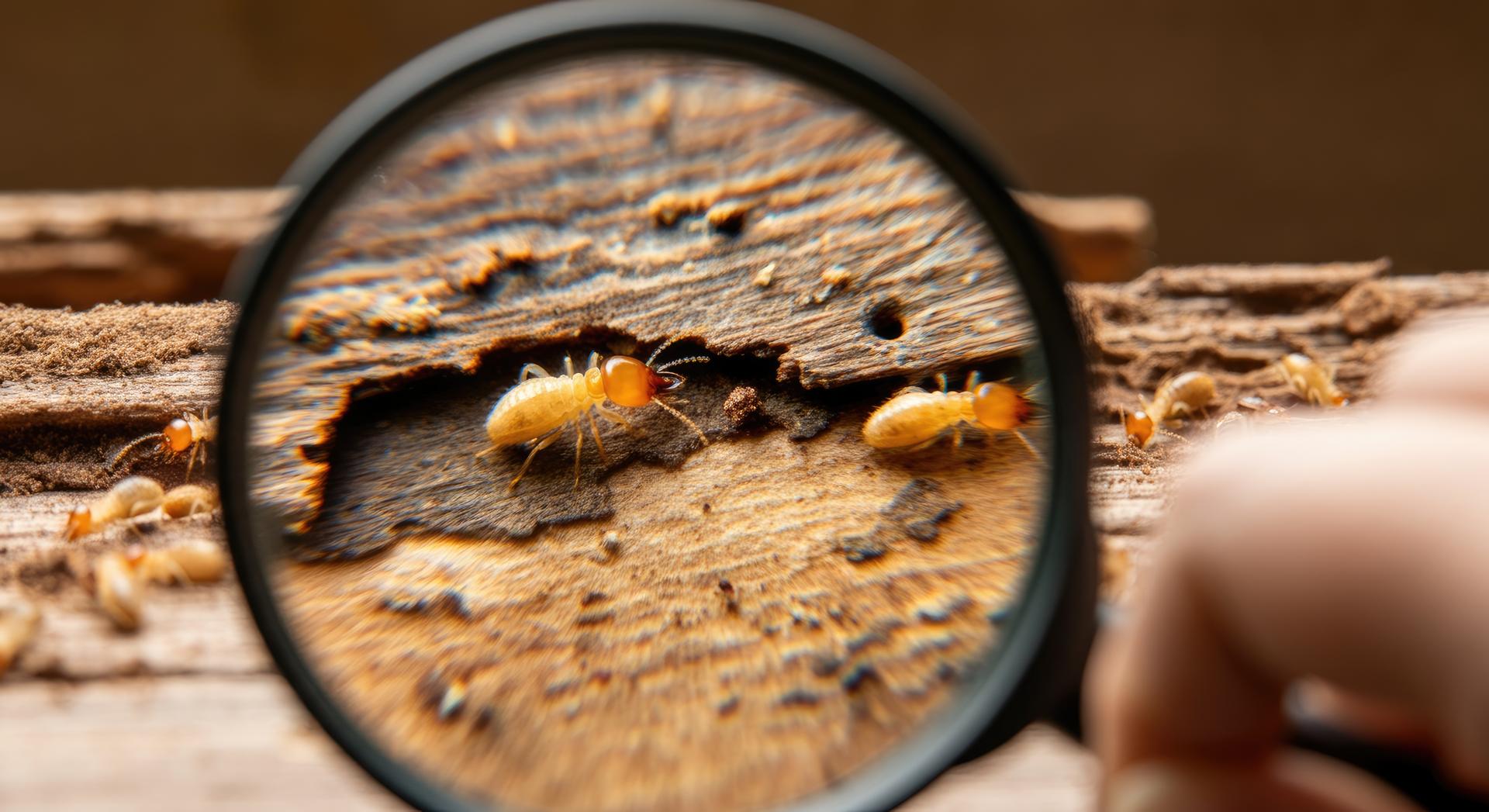
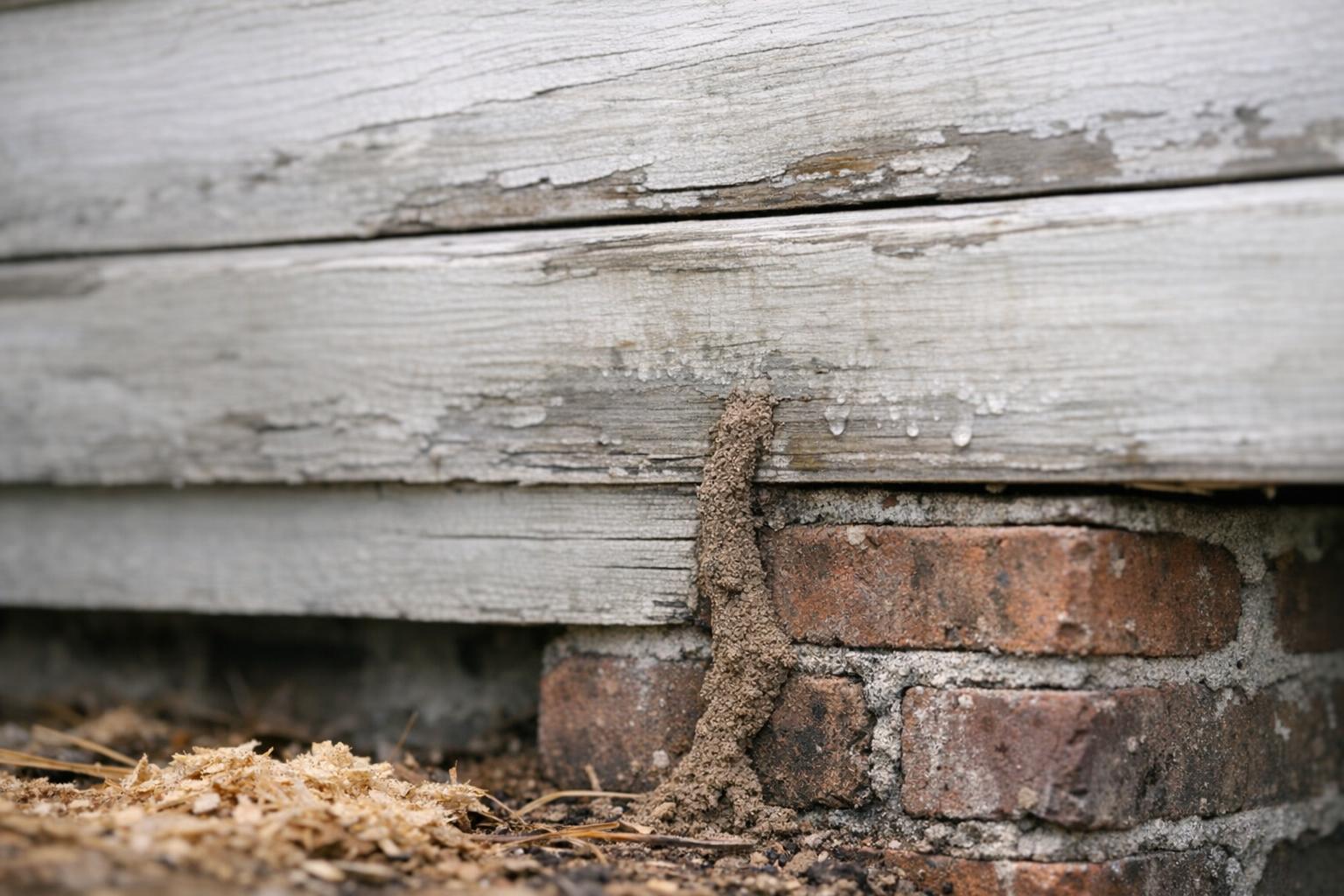
Termites feed on cellulose found in wood and can create hidden galleries that weaken framing over time. Subterranean termites may also build mud tubes to travel between soil and wood while maintaining humidity.
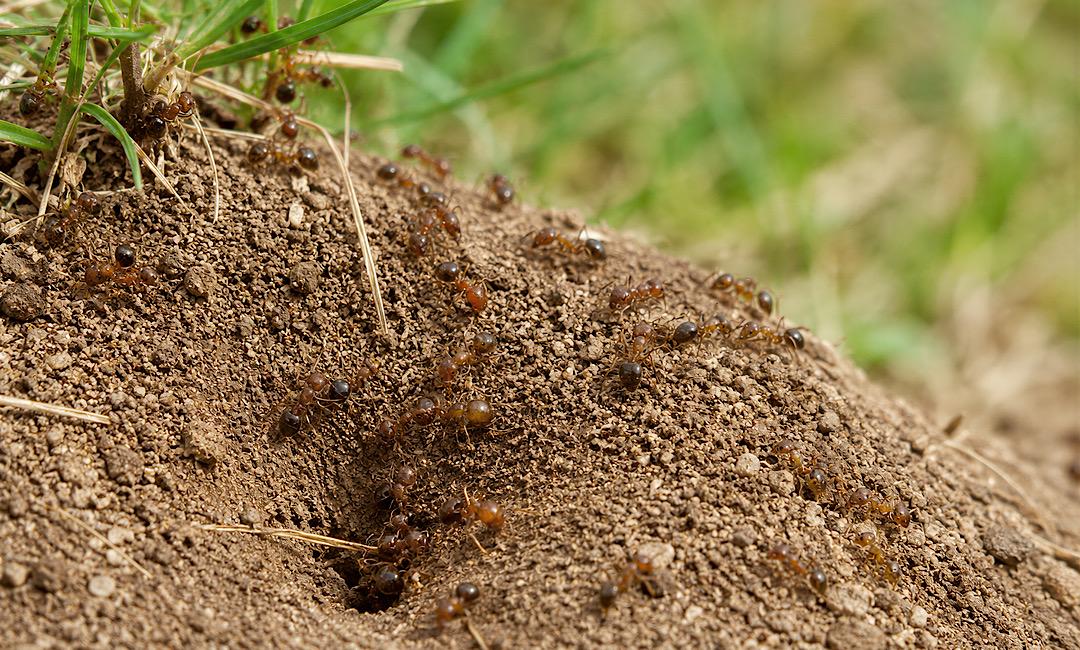
Carpenter ants don’t eat wood. They excavate it to build nests, often starting in damp or decaying areas (like around leaks, wet window trim, or damp crawl-space framing). Moisture is still the driver—just with a different pest and a different treatment plan.
Fast identification checklist (use this before you panic)
1) Look for mud tubes (termite red flag)
Mud tubes are pencil-sized or slightly larger “earthen tunnels” on foundation walls, brick piers, or crawl-space supports. If you see tubes bridging from masonry to wood, that strongly points to subterranean termites.
2) Check the wings (if you can safely capture one)
Winged termites (swarmers) typically have two pairs of wings that are similar in size and they often shed wings soon after landing. Carpenter ant swarmers usually have front wings longer than the back wings. Discarded wings on sills and near door frames are a common sign that a swarm happened nearby.
3) Compare the “sawdust” (frass tells a story)
Carpenter ant debris often looks like wood shavings (sometimes mixed with insect parts) pushed out of small kick-out holes near the nest. Drywood termite droppings can look more like tiny uniform pellets. Subterranean termites often leave less obvious droppings because they’re working in damp, mud-lined areas.
4) Tap and probe “soft wood” the right way
If trim, baseboards, porch posts, or subflooring sounds hollow when tapped (or feels spongy), that can indicate internal galleries. Don’t rip into suspected areas—take photos and document what you see. A professional inspection can help determine whether you’re seeing termite activity, ant nesting, wood rot, or a combination.
Quick comparison table: termites vs. carpenter ants in Charleston-area homes
| Clue | More likely termites | More likely carpenter ants |
|---|---|---|
| Wings | Two pairs, similar size; wings often shed quickly | Front wings longer than back wings |
| Mud tubes | Common (subterranean termites) | Not typical |
| Debris (frass) | May be tiny pellets (drywood) or minimal (subterranean) | Coarse sawdust-like shavings, often in neat piles |
| What they do to wood | Consume wood (cellulose), can weaken structure over time | Excavate to nest (often starts near moisture) |
Tip: If you’re seeing activity during late winter, keep in mind that South Carolina termite swarms commonly begin as early as February for eastern subterranean termites, especially after warm days and rainfall. Don’t wait for “spring” on the calendar—go by conditions.
“Did you know?” quick facts Lowcountry homeowners should keep in mind
Termite swarmers are a maturity signal. Swarmers typically indicate a colony is established nearby—sometimes on your property, sometimes close enough to enter.
Moisture problems can create “multiple pest” situations. It’s common to find carpenter ants, fungus/wood rot, and termite risk tied together when humidity and leaks are present.
Crawl spaces are often the starting point. In raised coastal homes, activity may begin below the living area—then show up later as “soft” baseboards or trim.
Step-by-step: what to do if you suspect termites (or can’t tell)
Step 1: Document what you see (2 minutes)
Take clear photos of wings, mud tubes, damaged trim, and any debris piles. Note where you found them (window, crawl space pier, porch post, etc.). This helps an inspector confirm patterns and likely entry points.
Step 2: Don’t “spot-spray” swarmers as the only plan
Killing a handful of swarmers doesn’t address the colony, the moisture driver, or the hidden activity. If you suspect termites, treat it like a structural-protection issue, not just a nuisance pest.
Step 3: Schedule a professional inspection before peak swarming
In Charleston and Mt. Pleasant, being proactive ahead of spring humidity and swarms can prevent the “we found it during the real estate transaction” scenario. A trained inspection can separate termites from carpenter ants, identify moisture conditions, and recommend the right treatment approach.
If you’re ready to get eyes on it, explore termite control and inspections or contact Lowcountry Pest Management.
Step 4: Reduce moisture to reduce repeat risk
Even the best treatment works better when the environment is less inviting. In older Lowcountry homes, crawl space moisture control can be a major factor in long-term protection. If your home has persistent dampness, musty odors, or insulation issues under the floor, consider learning more about crawl space encapsulation.
The Charleston + Mt. Pleasant angle: why historic homes are different
Older properties often have more crawl-space vents, older brick piers, vintage windows and trim, and years of small moisture events (tiny roof leaks, plumbing sweats, or flashing gaps). That combination can create ideal conditions for both carpenter ants and termites—especially where wood stays damp but damage stays hidden behind plaster, paneling, or built-ins.
If you live near marshy areas, retain water in the yard, or notice increased indoor humidity during warm spells, it’s smart to think “prevention first.” A targeted plan that includes inspection, exclusion/repairs where appropriate, and moisture management can help protect your investment long before resale or renovation timelines force your hand.
Want a clear answer before swarm season peaks?
Lowcountry Pest Management is family-owned with decades of local experience in Charleston and Mt. Pleasant, SC. If you’re seeing wings, “sawdust,” mud tubes, or soft wood, a professional inspection can confirm what’s happening and what it will take to protect the home.
If you suspect active termites, avoid disturbing mud tubes or tearing into damaged wood—an inspection first is often the fastest way to get a correct diagnosis and treatment plan.
FAQ: termites, carpenter ants, and moisture in Charleston-area homes
If I see swarmers indoors, does that always mean I have termites?
Not always—carpenter ants also produce swarmers. The best clues are wing shape (equal vs. unequal pairs), the presence of mud tubes, and the type of debris found near wood. If you’re unsure, treat it as urgent until identified.
When is termite swarm season in South Carolina?
It depends on the species and conditions. In South Carolina, eastern subterranean termites commonly swarm from February through May (often after warm weather and rain). Other species may swarm later in spring or early summer.
What causes “soft wood” in older Charleston homes?
Soft wood can come from moisture-related rot, termite galleries, carpenter ant excavation, or a combination. A proper inspection looks for moisture sources, patterns of damage, and pest evidence (tubes, wings, frass).
Is it safe to store firewood under my house or against the home?
It’s better to store firewood off the ground and away from the structure. Wood stacked close to a home can hold moisture and create sheltering conditions that attract pests.
What’s the single best “next step” if I can’t tell what I’m seeing?
Get an inspection scheduled and keep the evidence intact (photos help). If you’re in Charleston or Mt. Pleasant, you can reach Lowcountry Pest Management here to set up a visit and get clear answers.
Glossary (plain-English termite + moisture terms)
Swarmer (Alate): A winged reproductive termite or ant that leaves the colony to mate and start a new colony.
Mud Tube: A soil-and-saliva tunnel that subterranean termites build to travel between the ground and wood while staying protected and humid.
Frass: Insect debris/droppings. Carpenter ant frass often looks like wood shavings; drywood termite frass can look like tiny uniform pellets.
Crawl Space Encapsulation: A moisture-control approach that typically involves a vapor barrier and sealing strategies to reduce humidity and moisture beneath the home.
Related services: general pest control, rodent control, and air duct cleaning can also support a healthier, less pest-friendly home environment.