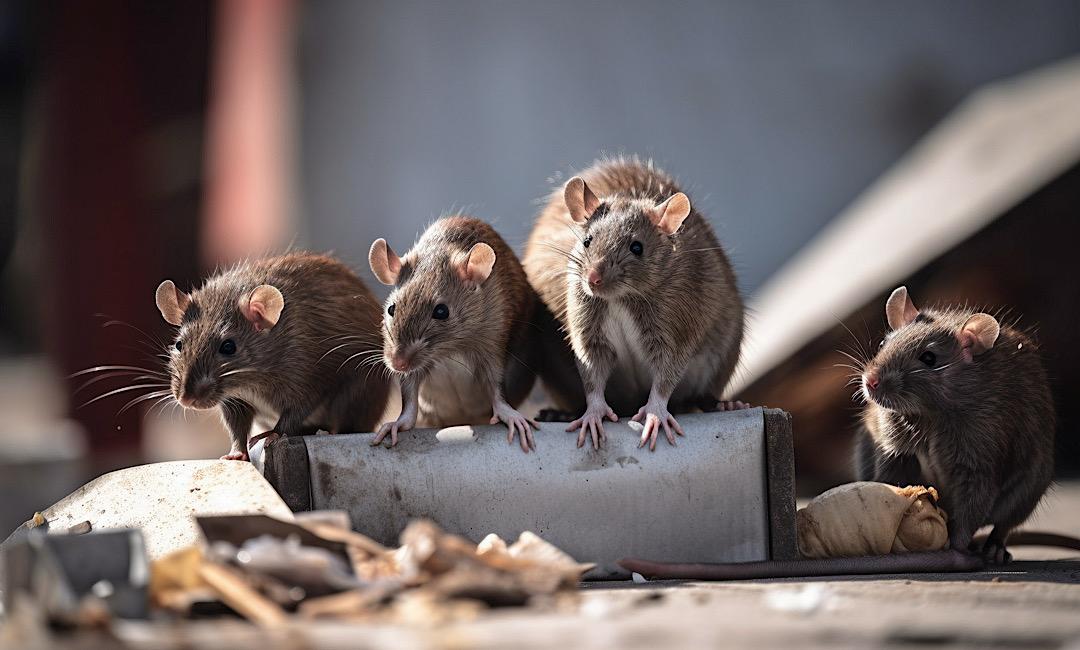
Scratching in the attic during humid Charleston summers isn’t “just noise”
In Mount Pleasant and the greater Charleston area, warm nights, high humidity, and lush landscaping create ideal conditions for rats to travel rooflines and find shelter in attics. If you’re hearing movement overhead, spotting droppings in the garage, or noticing a musty odor near insulation, the goal isn’t just removal—it’s complete exclusion and sanitation so the problem doesn’t repeat. This guide breaks down what “best rat control in Mt Pleasant, SC” looks like in real life, what to do first, and when it’s time to bring in Lowcountry Pest Management.
Why rats show up in coastal homes (and why attics are a favorite)
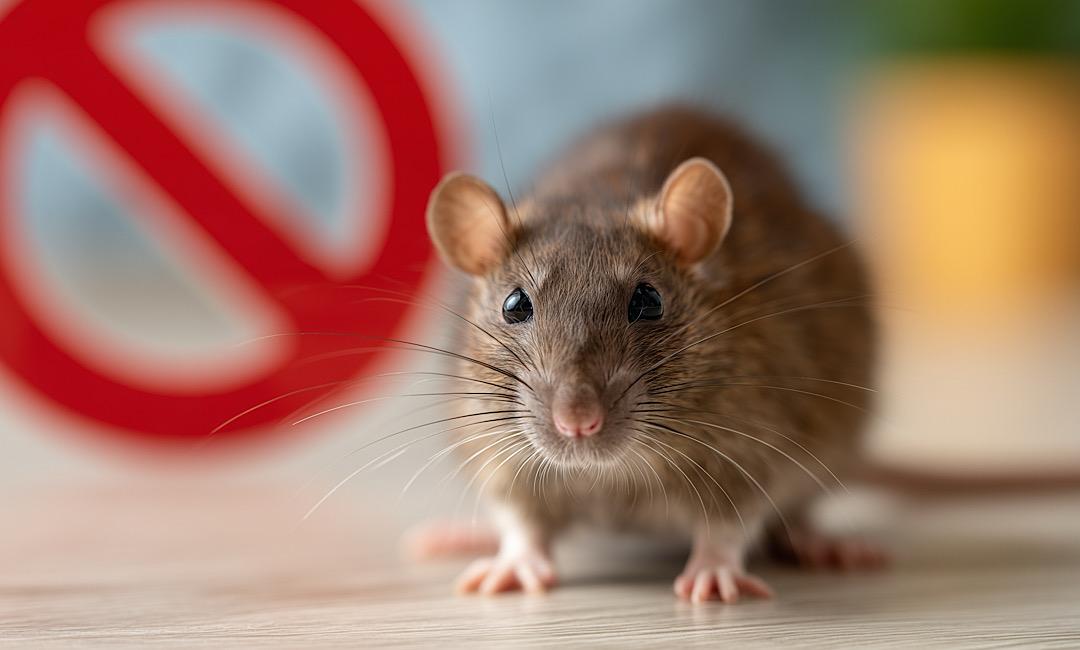
In South Carolina, the most common “home-invading” rodents are typically roof rats, Norway rats, and house mice. Roof rats are especially relevant for attic activity because they’re strong climbers and often travel along branches, fences, and utility lines to reach upper entry points.
Coastal neighborhoods with mature trees, shaded roofs, and older venting details can be more vulnerable to roofline access—especially after storms, seasonal trimming, or routine construction creates small gaps.
Common attic/roofline entry points we see in Mount Pleasant
Soffit and fascia gaps: Small separations along eaves can become “doorways,” especially near corners and returns.
Roof vents and gable vents: Damaged screening, loose louvers, or warped frames invite entry.
Roof penetrations: Gaps around plumbing stacks, HVAC lines, or flashing details.
“Bridges” to the roof: Tree limbs touching the roof, vines, fences, trellises, and utility lines can act like ramps to the attic zone.
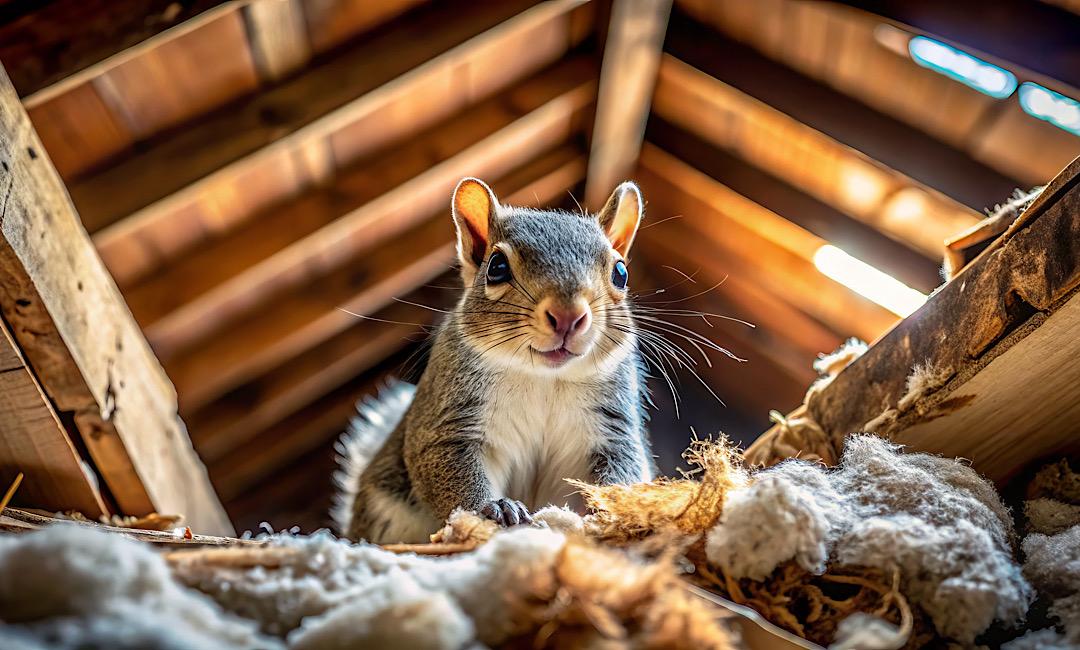
How to tell if it’s rats (not squirrels, mice, or “settling”)
Most homeowners notice signs before they ever see a rodent. Here are the “high-confidence” indicators that should trigger an inspection:
| Sign | Where you’ll notice it | What it suggests |
|---|---|---|
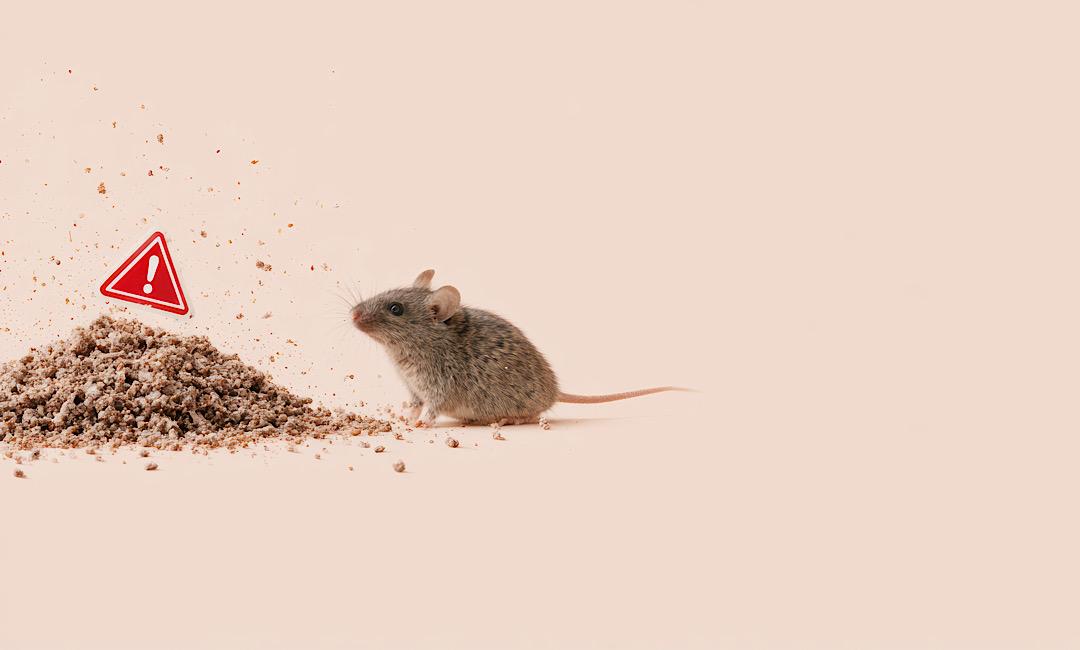
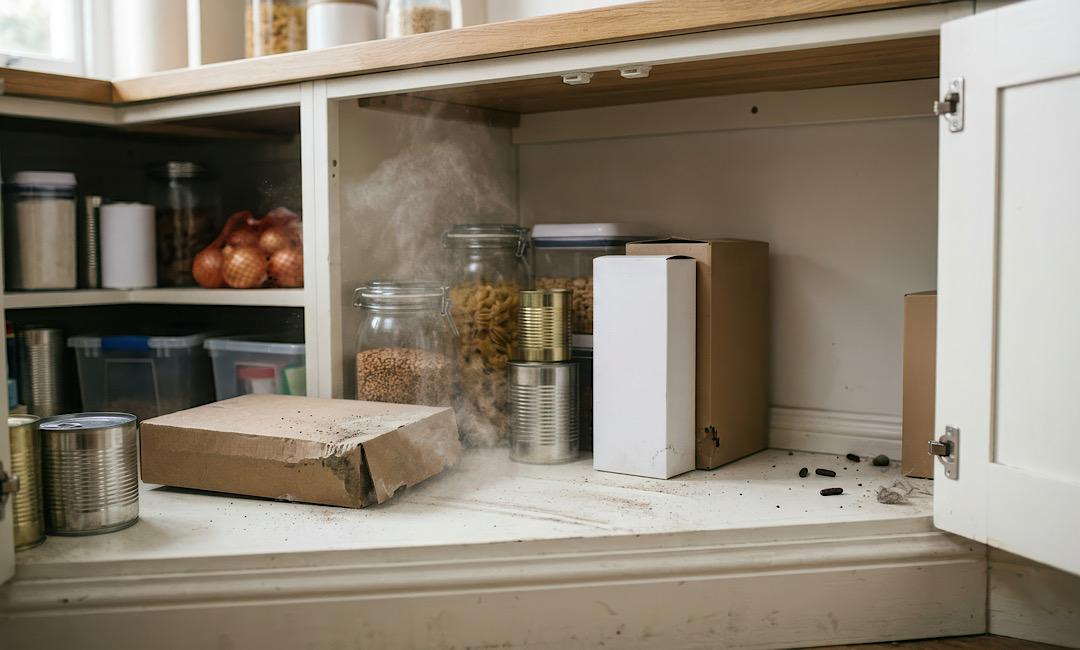
| Droppings | Attic insulation, garage edges, pantry corners, behind appliances | Active travel routes or nesting zones |
| Gnaw marks | Wiring, stored boxes, wood framing, HVAC flex lines | Rodents chewing to access food, shelter, or to manage tooth growth |
| Rub/grease marks | Along baseboards, entry holes, attic pathways | Repeated traffic along the same route |
| Nighttime scratching + musty odor | Ceilings/attic access area, closets under attic space | Potential nesting plus contamination (urine/soiled insulation) |
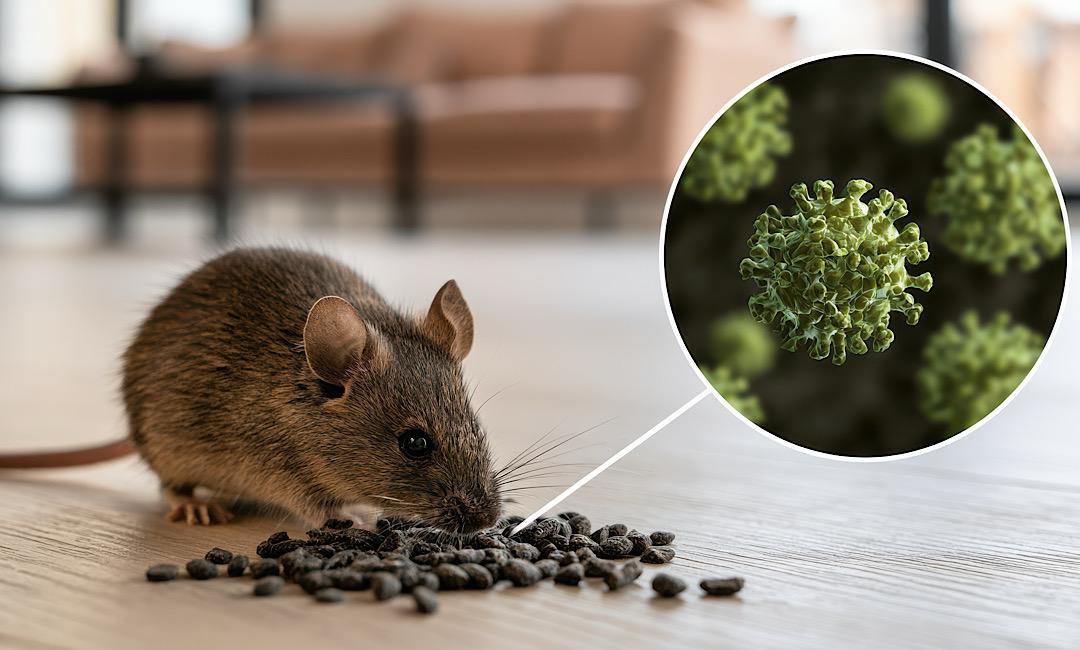
Health note: Rodents can carry diseases and parasites, and exposure risk increases when droppings/urine are disturbed during cleanup. The CDC notes that people can become infected with certain rodent-borne diseases through contact with rodent urine, droppings, or saliva—especially when contaminated dust becomes airborne. Use caution and consider professional sanitation when activity is in the attic or crawl space.
What “best rat control” really means: removal + exclusion + sanitation
The fastest way to reduce rat activity is trapping and targeted control. The best long-term way to keep rats out is exclusion—sealing the routes they use to enter—followed by sanitation to remove odors and contaminated materials that can keep attracting activity.
Step-by-step: what to do when you suspect attic rats
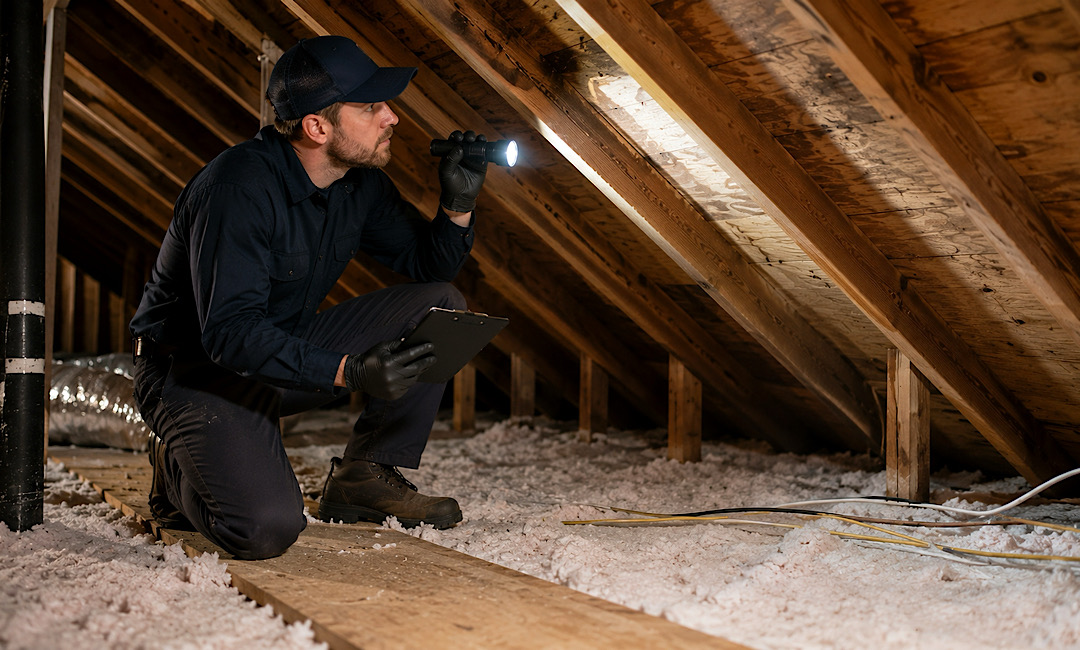
Step 1 — Confirm activity (without stirring up insulation): Look for droppings near attic access points, listen at night, and check for chewed items in garages/pantries. Avoid sweeping or vacuuming dry droppings.
Step 2 — Reduce attractants around the home: Secure trash lids, remove fallen fruit, keep pet food sealed, and cut back vines or branches that touch the roofline.
Step 3 — Don’t rush to “seal everything” on day one: If you close the wrong hole first, you can trap rodents inside, increasing wall/ceiling damage and odor issues. A professional inspection identifies primary entry points, travel routes, and nesting zones so sealing happens in the right order.
Step 4 — Use a plan, not random traps: Effective programs combine placement strategy, monitoring, and follow-up adjustments. When attic activity is heavy, missing a key runway can make it feel like “nothing works.”
Step 5 — Sanitation and repairs matter: Soiled insulation and nesting debris can keep odors in place and may impact indoor air quality. For some homes, pairing rodent control with air duct cleaning and/or crawl space moisture control can support a cleaner reset after the infestation is resolved.
Local homeowner tip: If your house is shaded and you regularly see palmetto bugs, ants, or moisture issues, that same environment can support rodents by providing water sources, hiding spots, and easy roof access. Rodent control works best as part of a broader pest-prevention approach.
Did you know? Quick rodent facts that help you act faster
Seeing one rat often means more than one. Rodents are secretive; visible sightings can lag behind the true level of activity.
Odor is a clue. A persistent ammonia-like smell near insulation can indicate urine saturation or an established nesting area.
Droppings aren’t just “mess.” The CDC notes rodents can carry diseases, and you can’t tell if a rodent is carrying disease just by looking at it—safe handling and cleanup procedures matter.
Mount Pleasant & Charleston-area considerations (plus nearby towns)
Coastal weather patterns and landscaping style can make rooflines busy. In neighborhoods with older venting, mature trees, and frequent humidity, prevention often comes down to two things: tightening the exterior envelope and reducing roof access.
Lowcountry Pest Management provides rodent control and exclusion services across Mount Pleasant and Charleston, and homeowners in surrounding areas often face the same attic-rodent issues—especially in Isle of Palms, Sullivan’s Island, Daniel Island, Awendaw, North Charleston, Hanahan, Ladson, Goose Creek, Summerville, and James Island. If you’re hearing activity during peak summer months, faster action typically means less contamination, less repair work, and fewer repeat visits.
Local reality check: If rats are using trees to reach your roof, trimming alone won’t solve the problem unless entry points are sealed too. The best outcomes come from pairing habitat changes with exclusion.
Need fast, professional rodent control in Mt. Pleasant?
If you’re dealing with attic scratching, droppings, or repeat sightings, Lowcountry Pest Management can inspect, remove, and help prevent rodents with a plan built for coastal homes. Same-day and emergency options may be available.
Related services that can support a full “reset” after rodent activity: Rodent Control, General Pest Control, Air Duct Cleaning, Crawl Space Encapsulation.
FAQ: Rat control in Mount Pleasant, SC
How long does it take to get rid of rats in an attic?
Timelines depend on how long the rodents have been active and how many entry points exist. Many situations improve quickly once trapping and a clear plan are in place, but long-term success depends on exclusion and follow-up monitoring.
Should I seal entry holes before trapping?
Not usually. Sealing the wrong openings too early can trap rodents inside walls or attics. A professional inspection helps identify the primary routes and the correct sequence so exclusion doesn’t create a bigger mess.
Is it dangerous to clean up rat droppings myself?
It can be. Rodent droppings/urine can pose health risks, especially if dry material becomes airborne. If contamination is in insulation, attics, or crawl spaces, professional cleanup and proper protective steps are strongly recommended.
Why do I hear scratching mostly at night?
Rats are often most active after dark. Nighttime movement in attics and wall voids is a common early clue—especially when paired with droppings, odor, or chewed materials.
What’s the most effective way to prevent rats long-term?
A long-term plan combines (1) exclusion/repairs at the roofline and foundation, (2) trapping/monitoring until activity stops, and (3) reducing attractants like accessible trash, pet food, standing water sources, and roof access via trees or structures.
Glossary (helpful terms for rodent control)
Exclusion: Sealing and reinforcing entry points (vents, roof gaps, utility penetrations) so rodents can’t re-enter after removal.
Runway: A consistent travel path rodents use along beams, walls, pipes, or edges. Runways often show rub marks or droppings nearby.
Sanitation: Cleanup and removal of contaminated nesting debris, droppings, and soiled insulation to reduce odor and health risks.
Roofline: The outer edge of the roof structure where soffits, fascia, vents, and penetrations create common entry opportunities for climbing rodents.