Snake Deterrent Treatment in Charleston: What Actually Works (and What to Skip)

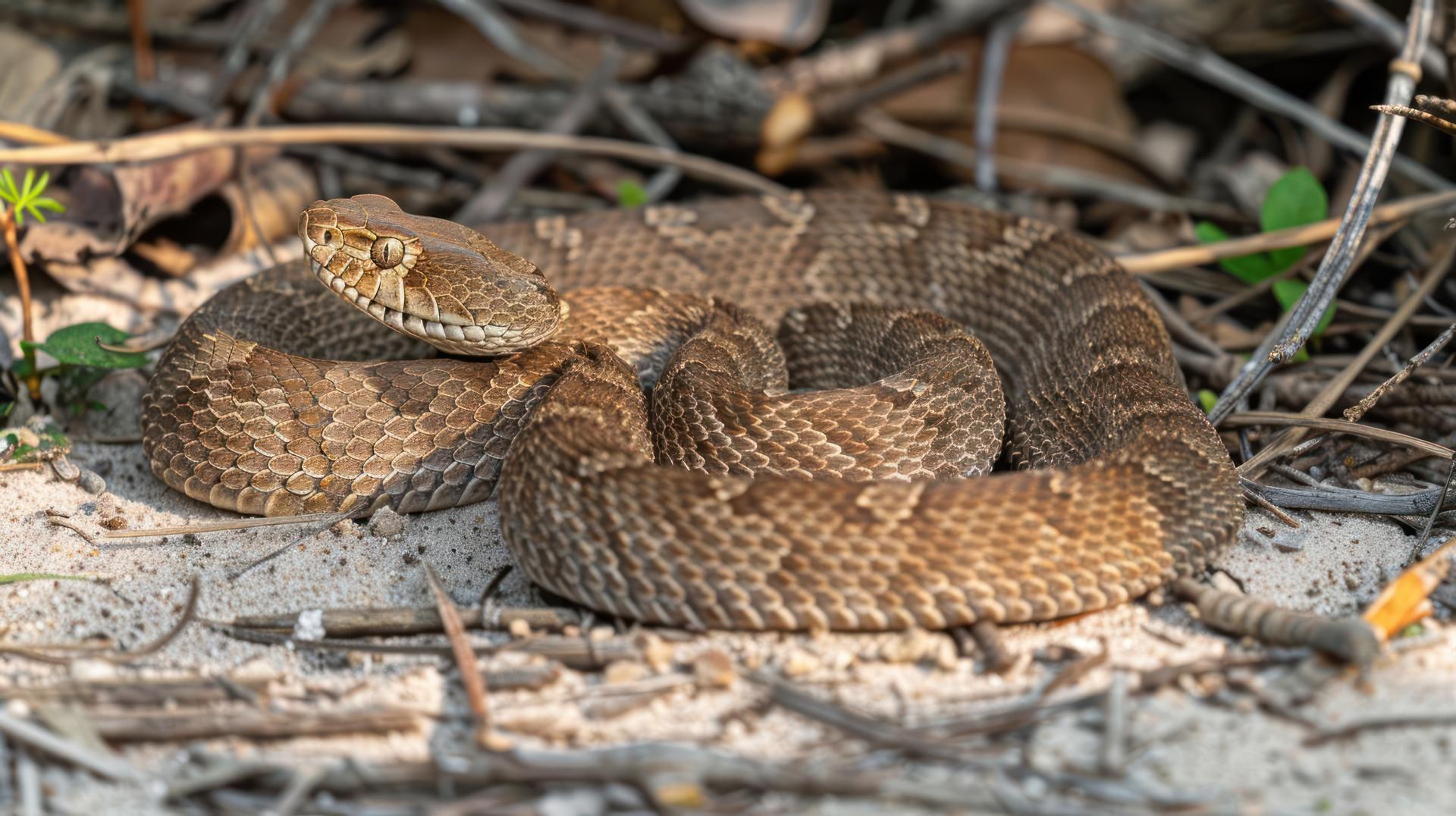
A coiled snake resting on sandy ground among leaves and twigs in a natural habitat

A practical, Lowcountry-friendly plan for keeping snakes out of your yard, crawl space, and entry points

If you’re in Mount Pleasant, Charleston, or nearby coastal communities, spring and early summer often bring the same stressful pattern: you hear movement near the crawl space, spot a shed skin along a fence line, or notice frogs and rodents around the property—and suddenly you’re thinking about snakes.

Here’s the truth: there isn’t a single “magic” snake spray that permanently solves the issue. The most reliable snake deterrent treatment in Charleston is a layered approach—habitat reduction, prey control, and physical exclusion—tailored to our humid climate and the way coastal properties are built.

First, what “snake deterrent treatment” really means

When homeowners search for snake deterrent treatment, they usually mean one (or more) of these goals:

1) Keep snakes from lingering in the yard, garden beds, or around the AC pad.
2) Stop snakes from entering structures (crawl spaces, garages, sheds, screened porches).
3) Reduce the chance of a surprise encounter before guests arrive or before vacation travel.

In the Lowcountry, the most dependable results come from treating the conditions that attract snakes—not just the snake itself.

Snakes in coastal South Carolina: what you’re likely seeing

South Carolina has many non-venomous snakes, and only six venomous species statewide. Coastal properties can overlap with habitat for venomous species like copperheads and cottonmouths (water moccasins), and rattlesnakes can occur in the state as well. 

Important note: many harmless snakes can look “triangular-headed” when defensive. If you’re unsure, keep your distance and treat it as potentially venomous.

Safety baseline: Don’t attempt to handle, capture, or keep a venomous snake. If bitten, seek medical care immediately (call 911 if appropriate) and—only if safe—take a photo from a distance to help with identification. 

What works best: a step-by-step snake deterrent plan

If you want real, repeatable results in Mount Pleasant and Charleston, prioritize these steps in order.

Step 1: Remove the “welcome mat” habitat

Snakes like cover and stable moisture. Around Charleston’s marshy zones and shaded lots, that often means:

• Keep grass cut low and edge along fences and shrub lines
• Thin dense groundcover; lift low-hanging branches off the ground
• Move wood piles and debris away from the house (and elevate firewood)
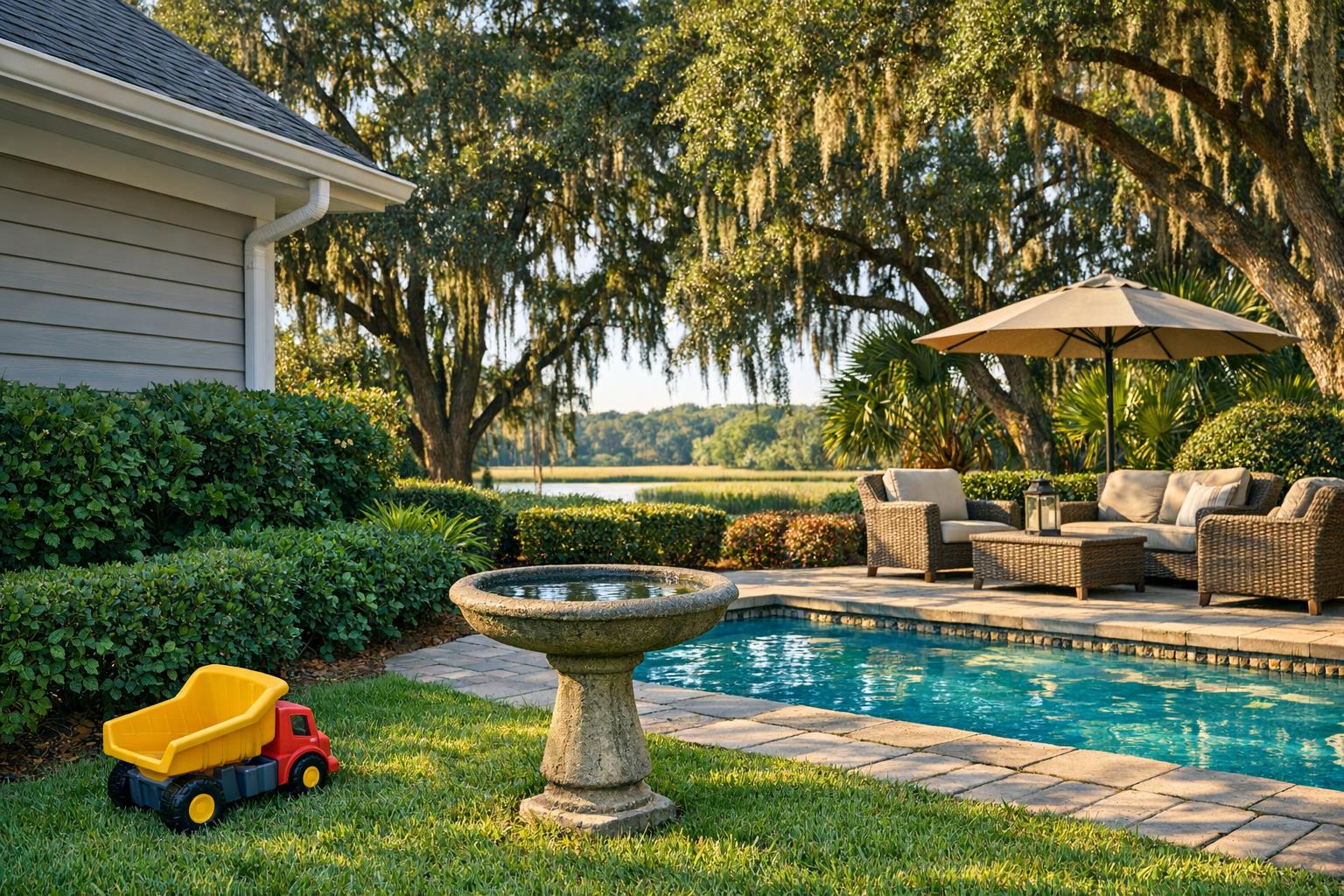
• Reduce standing water where feasible (it boosts frog activity, which can attract snakes)

Step 2: Control the prey (rodents especially)

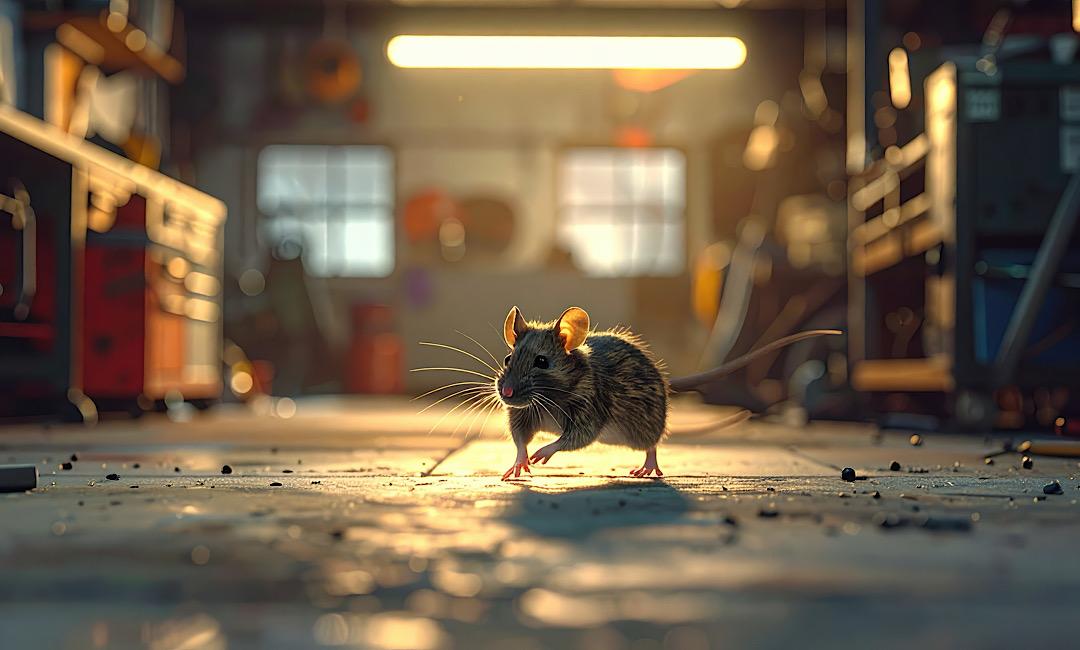
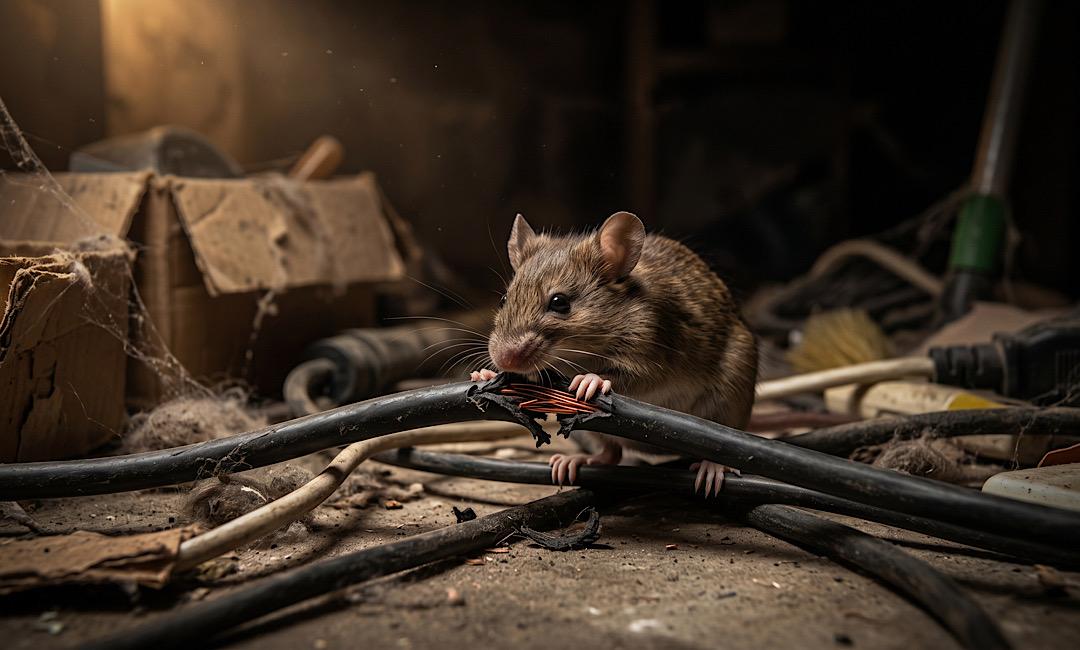
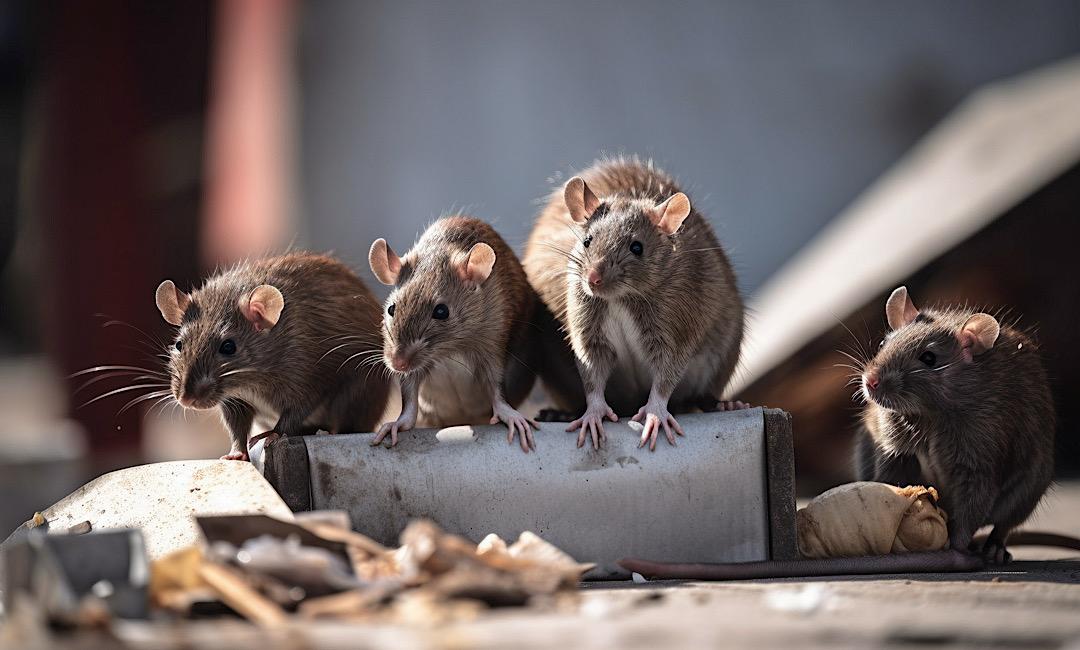
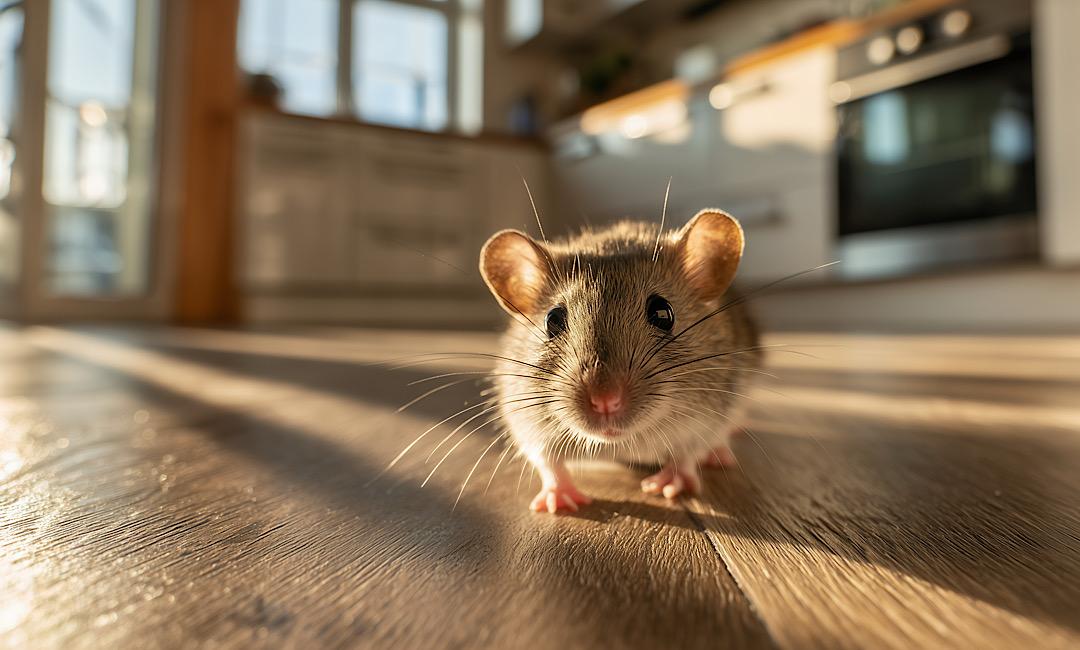
If you’re hearing scratching or movement in the attic or crawl space, snake concerns and rodent concerns often overlap. Rodents provide a food source, and where rodents travel, snakes may follow.

A strong rodent plan includes inspection, trapping where appropriate, and sealing entry points—especially around utility penetrations and vents.

Step 3: Exclusion—seal the crawl space and problem gaps

If you want fewer surprises, exclusion is where homeowners feel the biggest difference. Focus on:

• Tight crawl space doors and frames
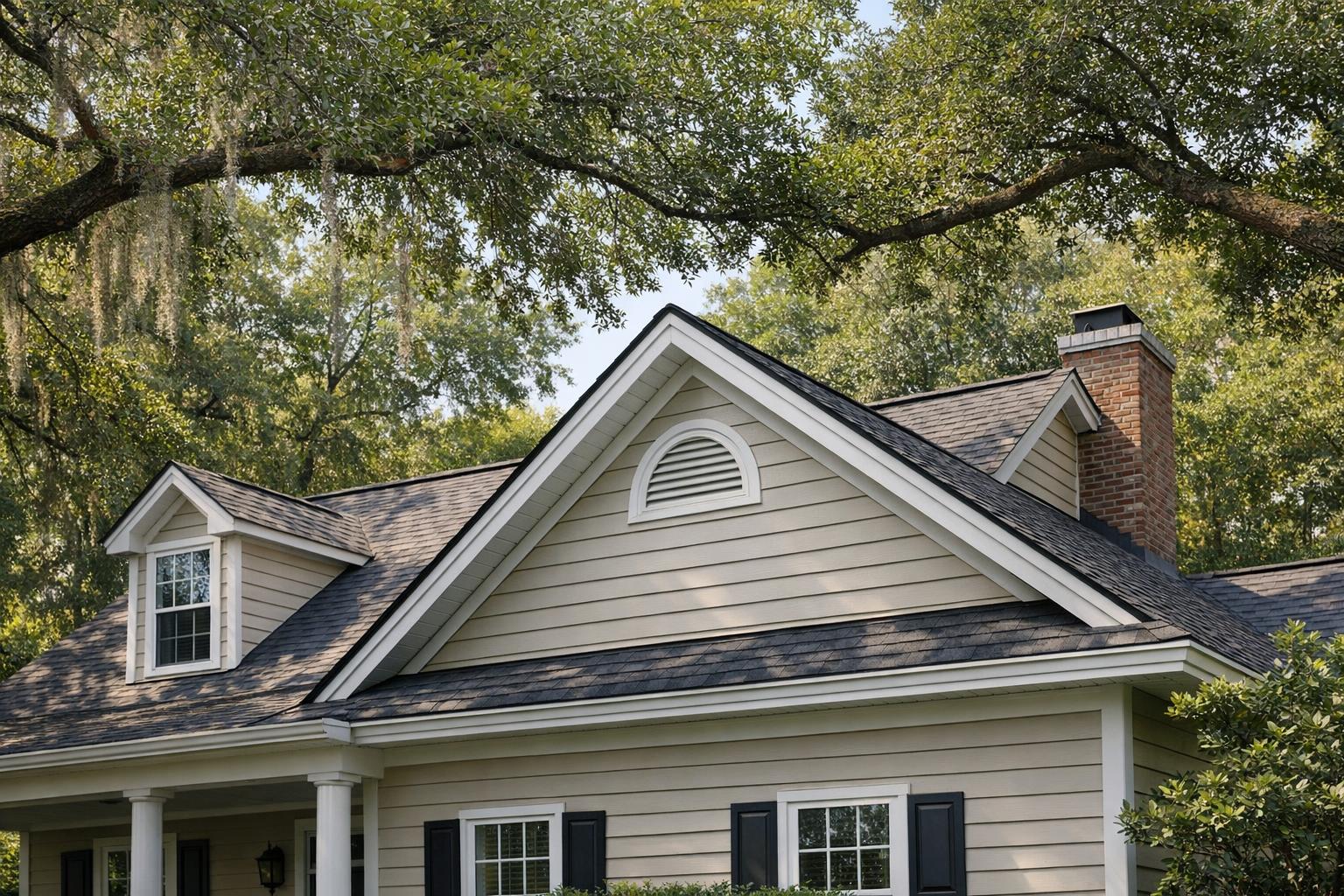
• Vent screening in good repair
• Sealing pipe chases, expansion joints, and gaps at the slab/brick interface
• Weather-stripping at garage and side doors (where light is visible, so is a gap)

In coastal South Carolina, moisture management also matters—damp crawl spaces attract insects and rodents, which can indirectly increase snake activity. Encapsulation can be a long-term win for comfort, indoor air, and pest pressure.

Step 4: Use “deterrent products” carefully—and skip the risky myths

Some retail snake repellents exist, but reputable guidance notes that they are not consistently effective, and relying on them alone usually disappoints. 

What to avoid: Using mothballs outside as a snake repellent. This is a common Lowcountry myth, but mothballs are pesticides and must be used exactly according to the label; outdoor “repellent” use is widely cited as misuse/illegal and can expose people and pets to harmful fumes. 

Quick comparison: common “snake deterrent” tactics

Tactic Best For Reliability Notes
Habitat cleanup (grass, brush, wood piles) Yard activity reduction High Reduces cover and moisture, discouraging lingering
Rodent control + sanitation Reducing prey attraction High Often, the missing piece is when you hear attic/crawl noises
Exclusion (sealing gaps, crawl space improvements) Keeping snakes out of structures Very High The most consistent way to prevent entry
Retail snake repellents Short-term boundary attempts Low–Mixed Not consistently effective per extension guidance 
Mothballs outdoors N/A Not recommended Can be illegal misuse and hazardous 

Did you know? (Quick facts homeowners appreciate)

• South Carolina has 38 snake species, and only six are venomous. 
• In South Carolina, venomous snakes include pit vipers like copperheads and cottonmouths, plus the coral snake
• Cottonmouths are associated with the Coastal Plain regions of the state, which is relevant for Charleston-area properties. 

Local angle: Charleston + surrounding cities (why summer ramps up fast)

In Mount Pleasant, Daniel Island, Isle of Palms, Sullivan’s Island, James Island, and West Ashley, snake concerns spike when:

• Yard growth gets ahead of mowing (dense edges become “travel lanes”)
• Afternoon storms increase moisture (more insects, more frogs, more prey activity)
• Vacation season hits, and homes sit quiet for a week (pests take advantage of undisturbed spaces)

If you’re hearing attic or crawl space noise, it’s smart to address it early—before heat peaks and before you leave town—so you don’t return to a bigger problem.
Want a professional snake deterrent plan built for your property?

Lowcountry Pest Management helps Charleston-area homeowners reduce snake encounters by targeting the conditions that attract them—rodent pressure, crawl space access, and yard harborage. If you’re preparing for summer guests or an upcoming trip, an inspection now can prevent a stressful surprise later.
Request an Inspection / Get a Quote

If there’s an immediate concern (snake in a living space, heavy rodent activity, strong odors), ask about same-day options.

FAQ: Snake deterrent treatment in Charleston, SC

Do snake repellents work in Charleston’s climate?
Some products may offer limited, short-term results, but they’re not consistently effective. Your best “deterrent treatment” is habitat reduction, prey control, and exclusion—especially around crawl spaces and outbuildings. 
Is it safe or legal to use mothballs to repel snakes?
It’s not recommended. Mothballs are pesticides and must be used exactly as the label directs; outdoor “repellent” use is widely cited as misuse/illegal and can be harmful to people and pets. 
If I see one snake, does that mean there are more?
Not always. A single snake may be passing through. Repeated sightings in the same zone (especially near brush lines, water, or a crawl space) usually mean the area offers cover and prey. That’s when an inspection and prevention plan makes the biggest difference.
What should I do if I can’t identify the snake?
Keep your distance. If you can safely take a photo from far away, it may help with identification. South Carolina DNR indicates they can assist with identification from a digital photo (include the county). 
Does crawl space work really impact snake risk?
Yes. A crawl space that’s damp, open, or easy to enter can support insects and rodents—then snakes follow. Sealing access points and managing moisture helps break that chain.

Glossary (helpful terms you’ll hear during an inspection)

Exclusion: Physical sealing and repair work that prevents pests (including rodents and snakes) from entering a structure.
Harborage: A protected resting area for pests—brush piles, dense groundcover, wood stacks, and cluttered corners.
Prey pressure: The level of food available for predators. For snakes, this often means rodents, frogs, and lizards.
Pit viper: A group of venomous snakes with heat-sensing pits (in SC, includes copperheads, cottonmouths, and rattlesnakes). 
Crawl space encapsulation: A moisture-control system (typically vapor barrier + sealing + drainage/dehumidification as needed) designed to keep the crawl space drier, cleaner, and less pest-prone.
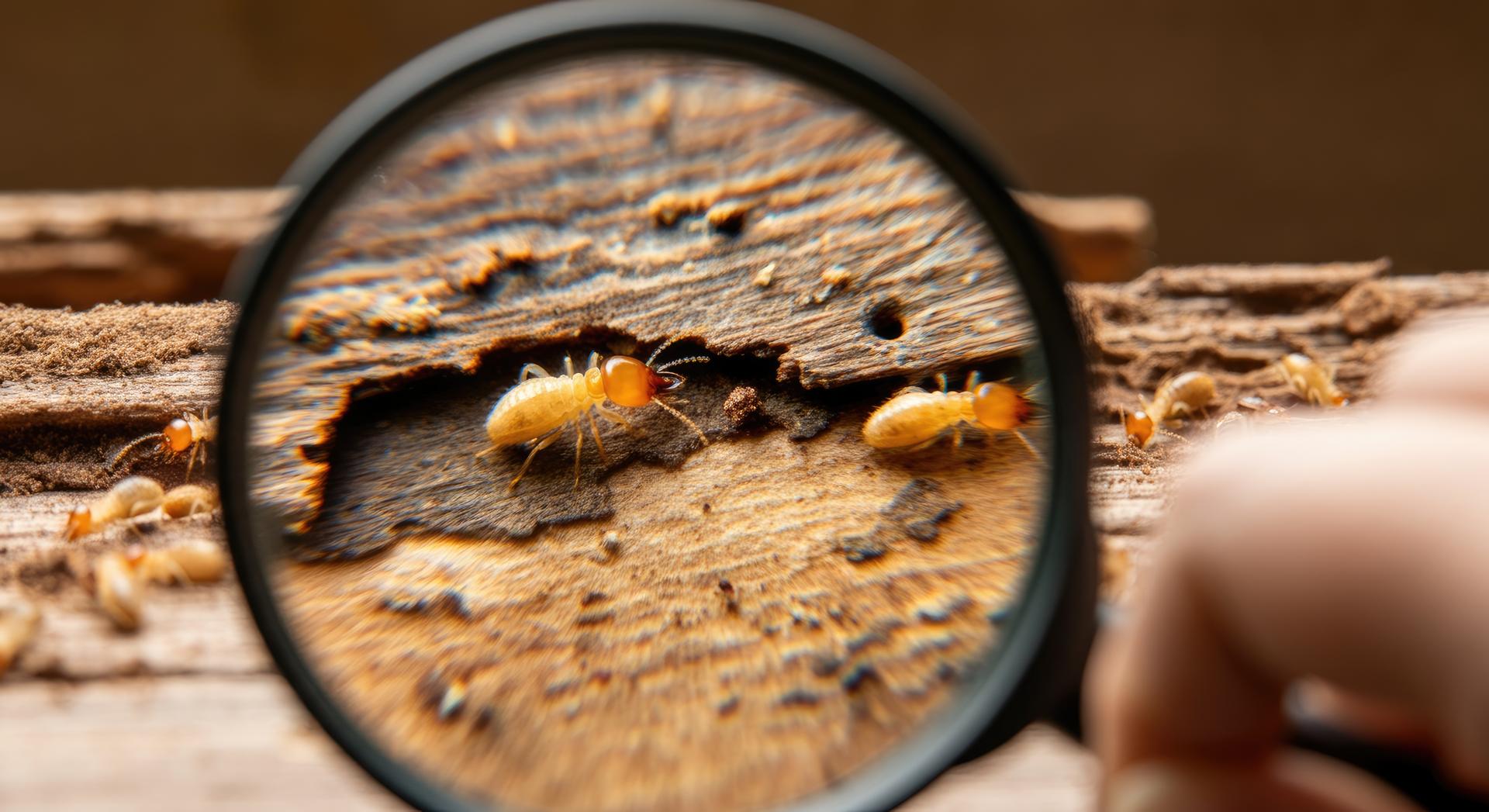
Close-up of termites through magnifying glass on wood, highlighting pest control concept

Don’t Let Pests Take Over.

$15 OFF for New Customers!

Sign up for a one-year pest control plan and get $15 off your first quarter. Protect your home with expert pest control at a discounted rate!

Accessibility Toolbar