
A practical, Lowcountry-specific guide for homeowners who need fast relief—and a long-term fix
If you’re hearing scratching in the attic during Mount Pleasant’s humid summer, noticing droppings near stored boxes, or catching that sharp “animal” odor near HVAC returns, you’re not alone. Coastal homes—especially older, shaded properties—give rodents easy routes in at the roofline and plenty of shelter in insulation. The good news: effective attic rodent control isn’t just trapping. It’s inspection, removal, sanitation, and exclusion that closes off the entry points that cause repeat invasions.
Looking for “attic rodent control near me in Mt Pleasant, SC”? This page is built to help you understand what’s happening up there and what a professional plan should include.
What’s usually in attics around Charleston & Mount Pleasant?
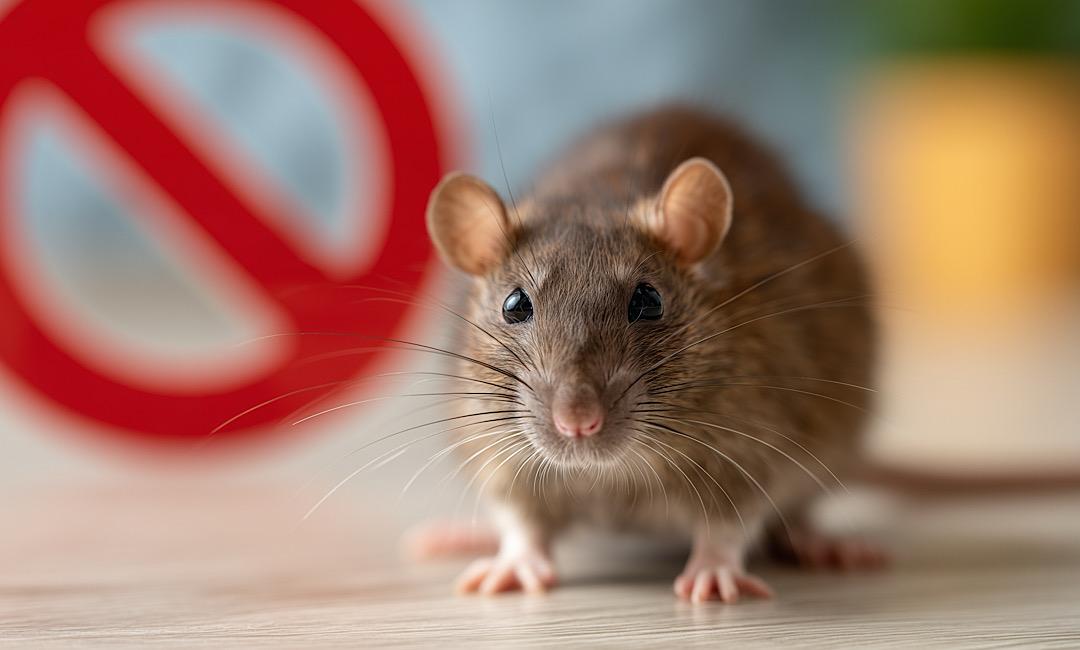
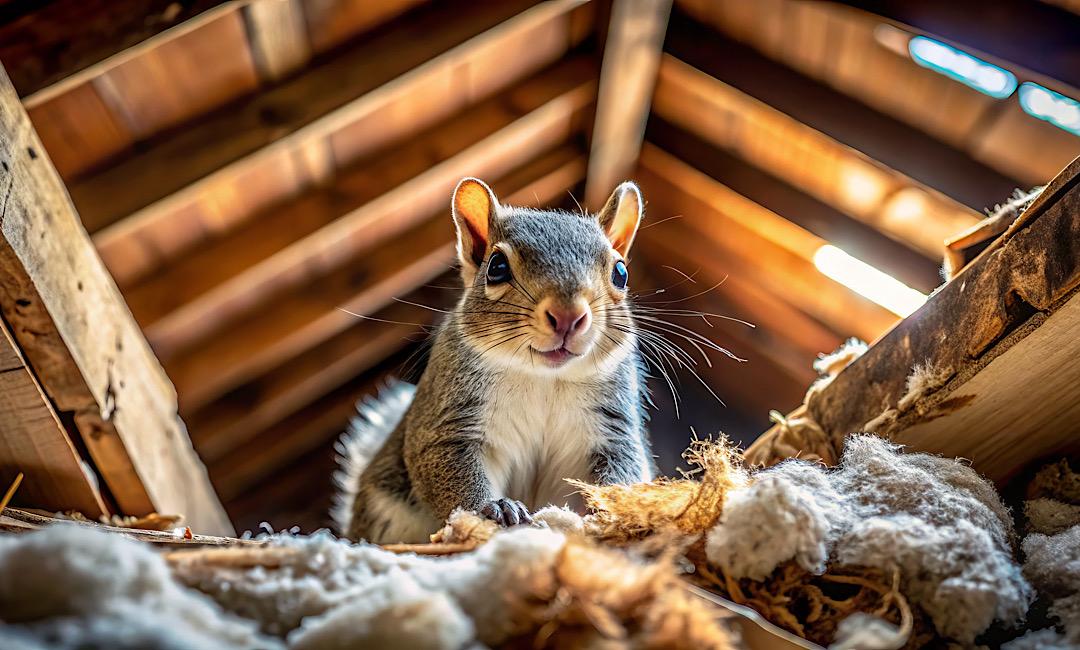
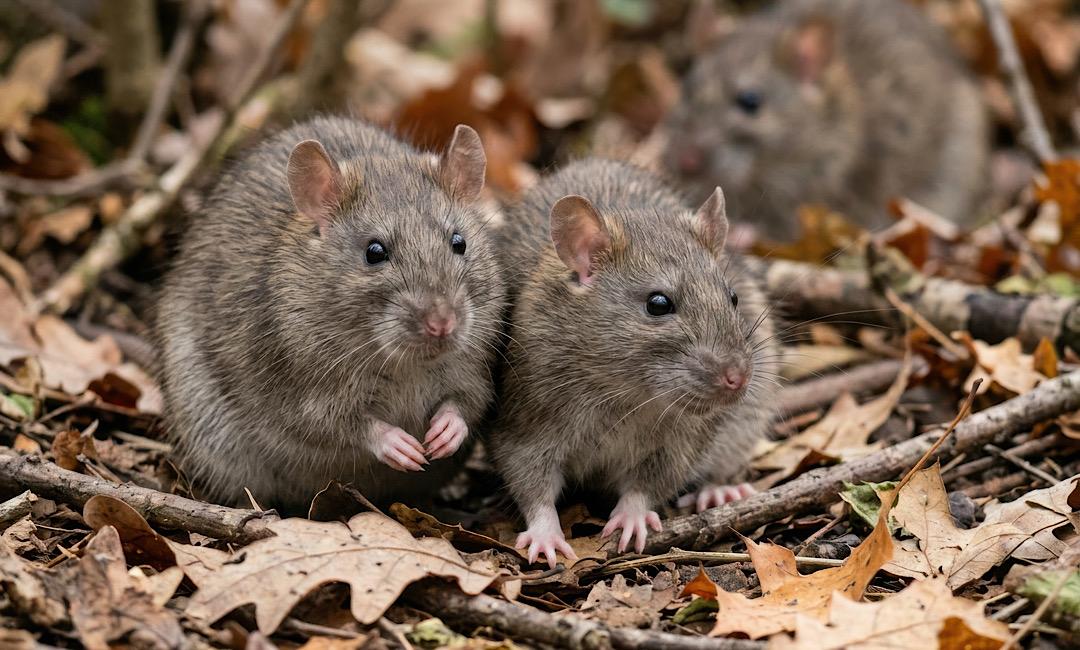
In the Lowcountry, most attic “scratching” calls come down to rats or mice (and occasionally other wildlife). Identifying the likely culprit helps shape the right strategy—especially when it comes to where they enter and how quickly they reproduce.
Common attic rodent profiles
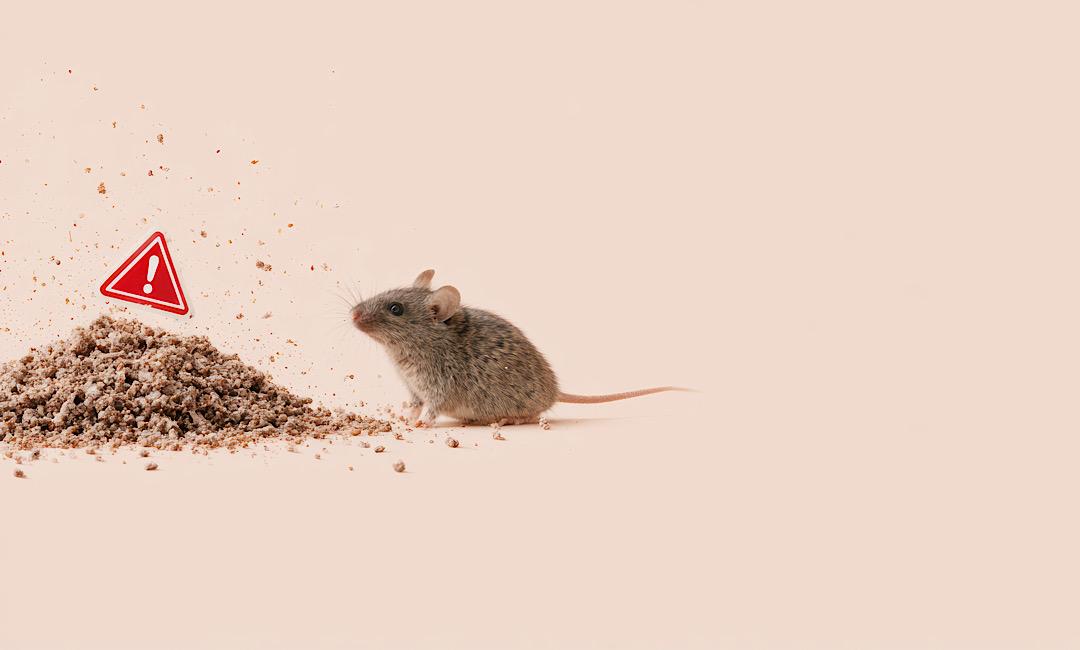
Safety note: If you find droppings or nesting material, avoid dry sweeping or vacuuming. Public health guidance warns that it can aerosolize contaminated particles; use a wet-disinfection method and proper protection instead. (If you’re unsure, it’s safer to let a trained team handle attic sanitation.)
Signs you need attic rodent removal (not just “wait and see”)
Noises at predictable times
Scratching, scurrying, or thumping after dusk or before sunrise can signal rodents traveling along joists and insulation paths.
Droppings, shredded nesting, or “runways”
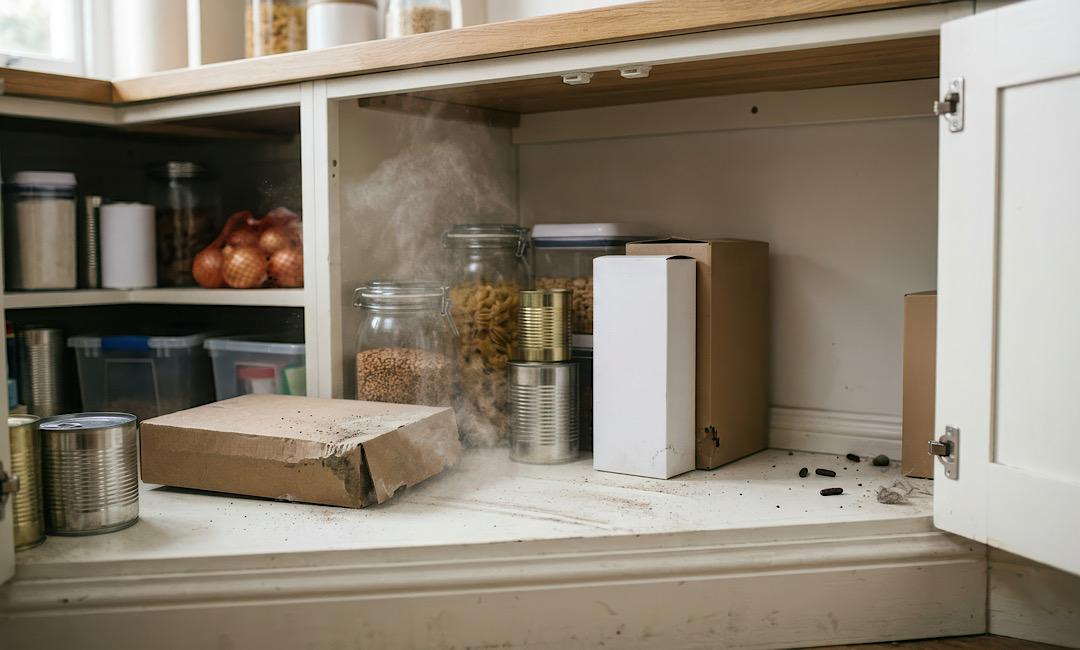
Droppings near stored boxes, insulation “tunnels,” shredded paper, or chewed foam are common signs. Rodents also leave oily rub marks on beams or near access points.
HVAC or electrical concerns
Rodents can chew wiring and nest near warm mechanical areas. If you smell something “off” when the system runs, or you see insulation debris near return vents, it’s time to act.
Quick “Did you know?” facts (Lowcountry edition)
- Humidity makes it worse: Damp, coastal air can push rodents to seek drier shelter in attics and wall voids—especially when storms disrupt outdoor nesting.
- Tree cover matters: Overhanging branches and dense landscaping can create easy roof access routes (especially for roof rats).
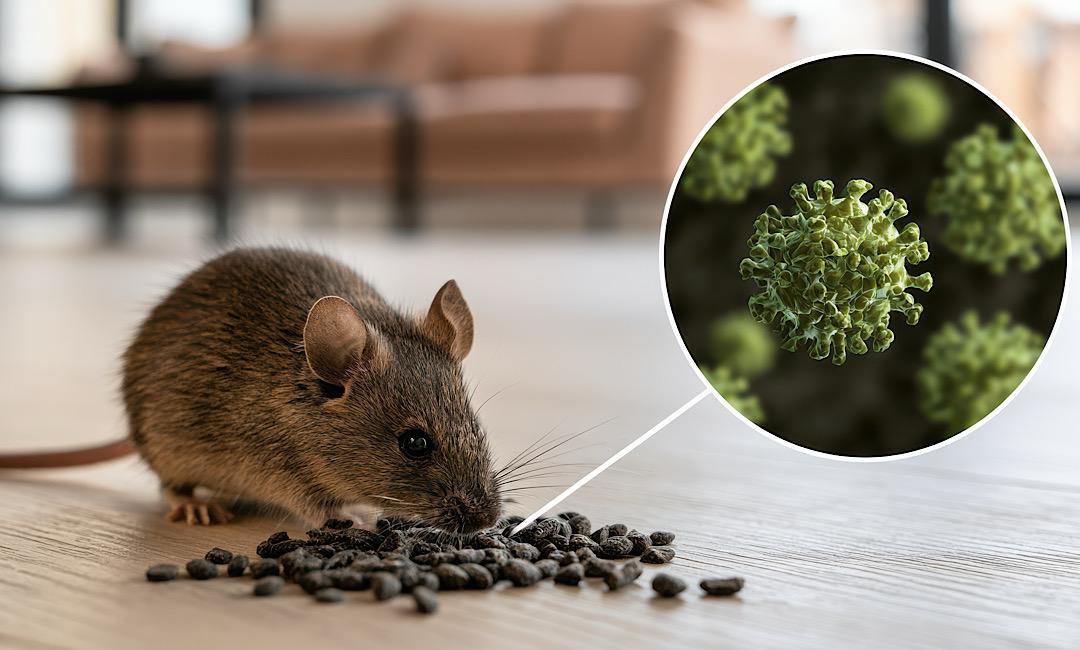
- Sanitation is a health step, not just “cleanup”: Rodent urine/droppings can contaminate dust and surfaces. Health agencies recommend avoiding dry sweeping/vacuuming and using disinfectant-based wet methods.
What a professional attic rodent control plan should include
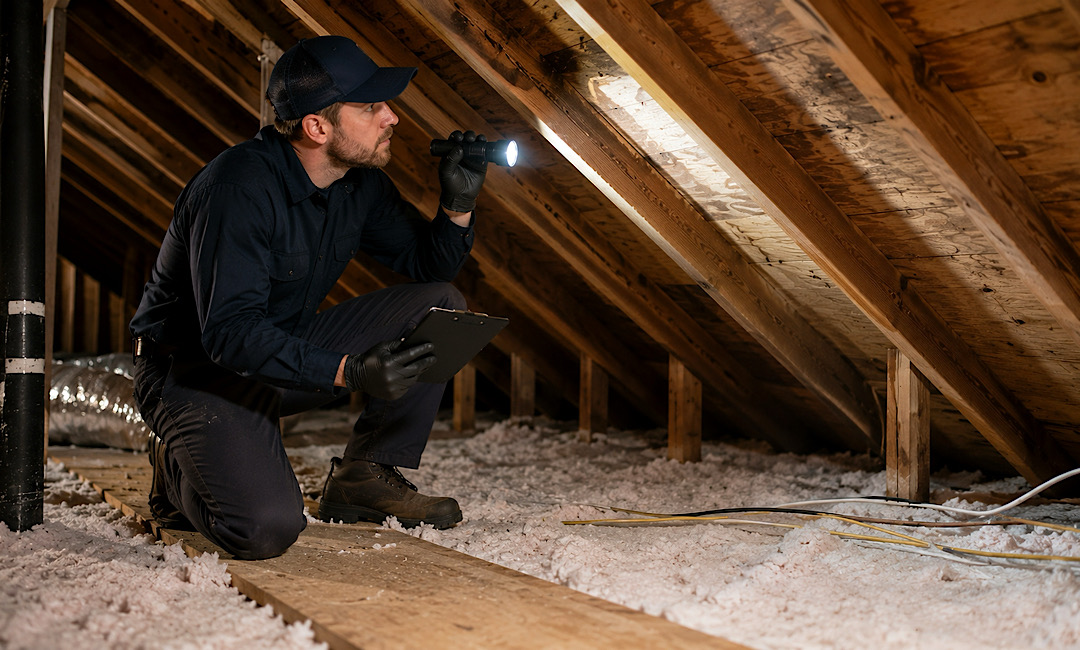
1) Detailed inspection (inside + roofline)
The inspection should identify species clues, travel paths, and entry points at soffits, gable vents, roof returns, plumbing penetrations, attic fans, and garage transitions. In Mount Pleasant’s older homes, small construction gaps at the roofline are common.
2) Targeted removal (trapping + monitoring)
Effective removal is strategic—placed where rodents travel, not just where it’s convenient. Your technician should also confirm activity reduction, not assume one visit solves it.
3) Exclusion (the part that prevents the next infestation)
“Rodent control” without exclusion is often temporary. Look for sealing and reinforcement work around vents, gaps, roofline intersections, and other access points—plus recommendations to reduce exterior “bridges” (like trimming branches off the roofline and adjusting fence-to-roof contact areas).
4) Attic sanitation (done safely)
When droppings/urine are present, sanitation should follow a wet-disinfection approach to avoid stirring contaminated dust. Public health guidance stresses avoiding dry sweeping or vacuuming before disinfection, ventilating enclosed spaces, and using appropriate protective measures when cleaning rodent-contaminated areas.
Comparison table: DIY steps vs. professional rodent exclusion
| Goal | DIY (best-case) | Professional approach (best practice) |
|---|---|---|
| Stop noises quickly | A few traps may reduce activity | Trapping plan + follow-up verification |
| Prevent re-entry | Hard to locate every gap safely | Roofline/vent/penetration exclusion + exterior bridge reduction |
| Reduce contamination | Risky if droppings are disturbed incorrectly | Wet-method sanitation + safer disposal practices |
| Protect building systems | Chewed wiring/duct contamination may be missed | Inspection flags hazards early; remediation options available |
Tip: If you’ve already tried traps but still hear activity, the missing piece is often exclusion (sealing entry points) or a hidden access route at the roofline.
Local angle: Where we see attic rodent issues around Mount Pleasant
Rodent pressure can spike in coastal neighborhoods with heavy tree canopy, older soffit systems, and frequent storm events that disrupt outdoor nesting. Lowcountry Pest Management serves Mount Pleasant and the greater Charleston area, and we commonly help homeowners in surrounding towns such as Charleston, Sullivan’s Island, Isle of Palms, Daniel Island, James Island, Johns Island, West Ashley, and North Charleston.
Coastal-home risk factors we watch for
- Branches touching the roof or hovering over the gutter line
- Unscreened or damaged vents (gable/roof/soffit)
- Gaps around plumbing stacks, attic fans, and roof penetrations
- Garage-to-attic pathways and wall-void “highways”
- Moisture issues that make insulation and framing more attractive to pests
If you suspect moisture is making pest issues worse, crawl space improvements can be a smart long-term companion to exclusion work. Learn about crawl space encapsulation.
When to call for same-day help
- You see droppings near HVAC or return vents (possible distribution of contaminants)
- You smell a strong odor that could indicate nesting or a dead rodent
- Scratching escalates suddenly (new entry point or increased activity)
- You notice chewed wiring, insulation damage, or duct issues
Lowcountry Pest Management provides expert rodent control with an emphasis on safe, eco-friendly treatment decisions and long-term prevention—so you’re not dealing with the same problem again next month. For service details, visit our rodent control page.
Schedule an attic rodent inspection in Mount Pleasant, SC
If you’re hearing scratching in the attic, seeing droppings, or worried about repeat infestations, we’ll help you pinpoint the entry points, remove the rodents, and build an exclusion plan that fits your home.
FAQ: Attic rodent control in Mt. Pleasant & Charleston
How do rodents get into the attic if everything “looks sealed”?
Many entry points are subtle from the ground: soffit gaps, vent screens, roof returns, small openings at plumbing penetrations, and construction gaps at fascia lines. A roofline inspection typically reveals what a driveway glance can’t.
Will rodents leave the attic on their own?
It’s possible for activity to fluctuate, but waiting usually allows breeding, expanded nesting, and more contamination. A planned removal + exclusion approach is more reliable than hoping the problem fades.
Is it safe to vacuum droppings in the attic?
Public health guidance recommends avoiding dry sweeping or vacuuming rodent droppings or nesting material before disinfection because it can kick contaminated particles into the air. Safer cleanup uses ventilation plus wet-disinfection methods and appropriate protective measures.
What’s the best long-term solution for attic rats or mice?
Long-term success is built on three pieces: (1) removal, (2) exclusion/sealing, and (3) exterior condition changes that reduce access (like trimming branches off the roof and addressing vent vulnerabilities). Sanitation is also important if droppings/urine are present.
Can attic rodent activity affect indoor air quality?
Yes. Rodent debris and contaminated dust can remain in insulation or nearby mechanical areas. If you’re concerned about airflow and dust after an attic issue, ductwork and mechanical spaces should be evaluated. See our air duct cleaning service.
Glossary (helpful terms you’ll hear during an attic rodent visit)
Exclusion: Sealing and reinforcing entry points so rodents can’t re-enter (often the difference between short-term and long-term results).
Roofline: The upper exterior “edge” of the home where soffits, fascia, vents, and roof returns create common entry opportunities.
Runway: A frequently traveled path rodents use repeatedly, often visible as compressed insulation, grease/rub marks, or consistent droppings.
Sanitation (rodent): Safe removal/disinfection of droppings, urine contamination, nesting, and affected materials to reduce odor and health concerns.
Want help identifying what you’re dealing with before it gets worse? Visit our Pest Library or contact Lowcountry Pest Management for an inspection.