Nighttime attic noises aren’t “just the house settling” in early summer
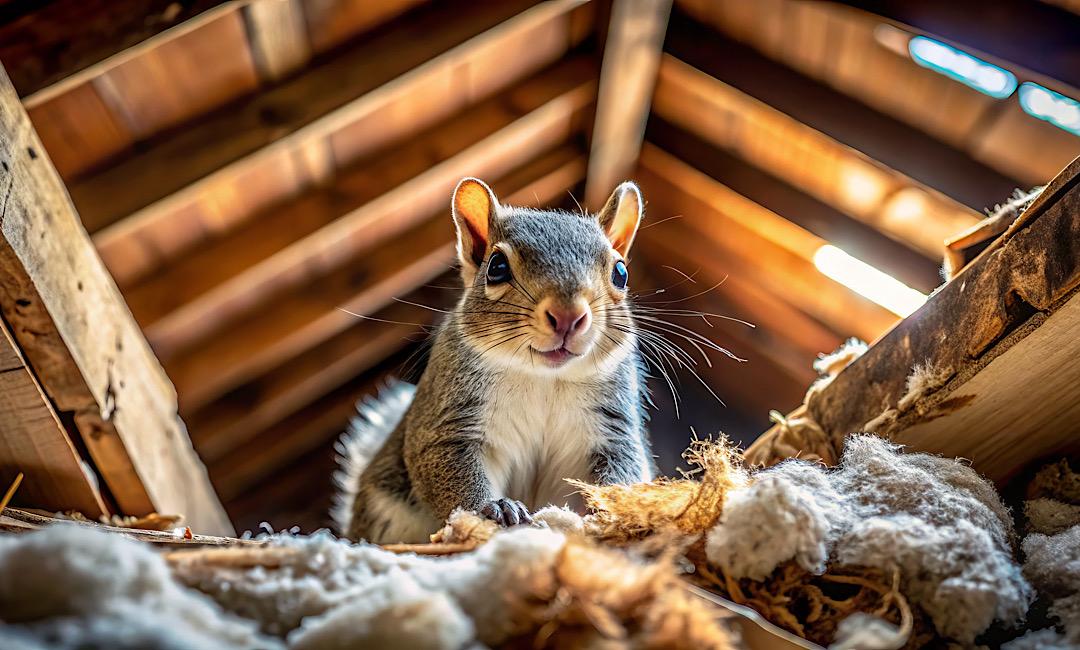
If you’re hearing quick scurrying, soft chirps, or fluttering overhead after dark—especially in Mount Pleasant, Charleston, Daniel Island, Isle of Palms, or James Island—flying squirrels are a common culprit. They’re small, quiet compared to larger wildlife, and they often go unnoticed until odor, droppings, or insulation damage becomes obvious. This guide explains what to look for, why DIY fixes usually fail, and how humane exclusion and cleanup help protect your home and your family’s health.
Why flying squirrels show up in Lowcountry attics
Flying squirrels are nocturnal tree squirrels that glide between trees and structures. In the Lowcountry, homes near wooded corridors, marsh edges, and mature landscaping provide exactly what they want: cover, food sources, and easy roof access. Attics feel like a protected tree cavity—warm, dry, and safe from predators—so once a pair finds an entry point, it can turn into a repeated seasonal problem if the home isn’t properly sealed.
Local note: Flying squirrel activity is often most noticeable when homeowners are packing for summer travel—right when you want the house quiet and problem-free. Addressing the issue early prevents the “came back from vacation to a stronger odor and new stains” scenario.
Signs you may need flying squirrel removal in Charleston County
Flying squirrels are excellent at staying out of sight. The clues are usually behavioral (night noises) and environmental (droppings, odor, and insulation disturbance). Here are the most common signals homeowners report:
Nighttime movement in the attic or wall voids (fast “tapping” or scurrying after dusk).
Staining around rooflines/soffits from repeated entry/exit points.
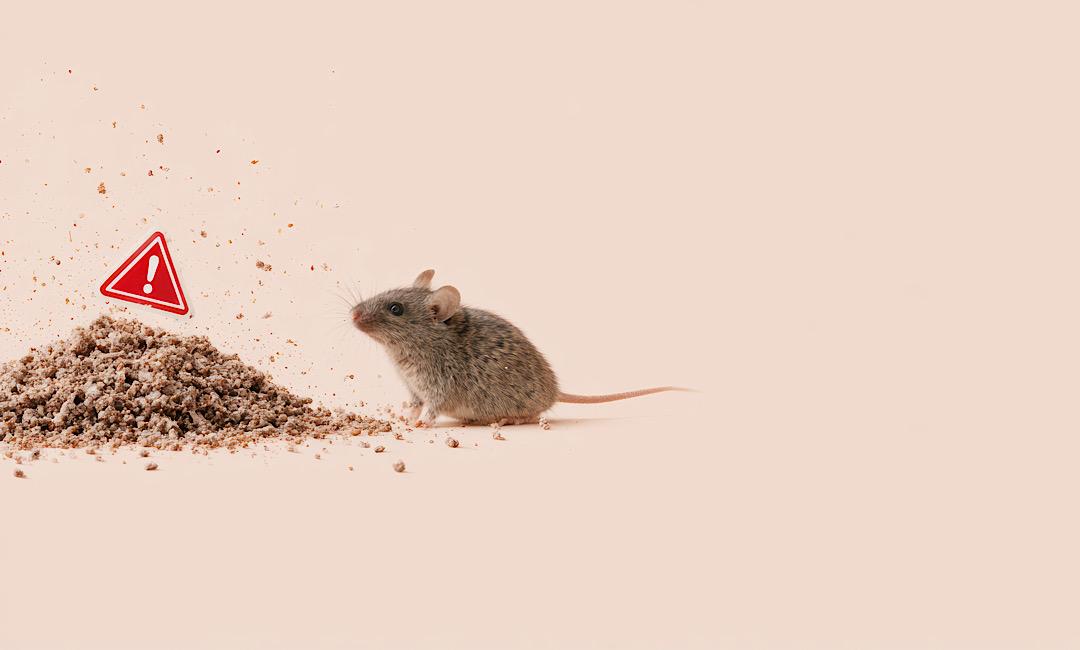
Droppings and scattered nesting material in insulation.
Persistent musky odor (often worse when HVAC runs or temperatures climb).
Humane removal and exclusion: the approach that prevents repeat invasions
When homeowners search “flying squirrel removal Charleston”, what they really need is a complete, ethical plan: confirm the species, get them out safely, and prevent re-entry. The key concept is exclusion—allowing animals to leave and blocking access so they can’t return.
Important legal/practical note in South Carolina: The South Carolina Department of Natural Resources (SCDNR) explains that wildlife damage control is the responsibility of the property owner, that routine relocation is against state law, and that a depredation permit is not required to capture a squirrel causing property damage within 100 yards of the home experiencing the damage. Work with a qualified wildlife control operator who understands these rules and uses lawful, humane methods.
What a “done-right” flying squirrel service typically includes
Comparison table
| Step | Why it matters | What DIY usually misses |
|---|---|---|
| Attic + roofline inspection | Confirms activity, identifies entry points, checks insulation damage | Multiple micro-gaps along fascia, soffits, vents, and roof returns |
| Humane exit strategy | Lets animals leave without harm and prevent trapping them inside | Sealing too early (and accidentally creating odor/health issues) |
| Full exclusion (seal-up) | Stops repeat infestations—especially seasonal returns | Using foam alone or patching only the “obvious” hole |
| Sanitation + odor control | Helps protect indoor air and reduces lingering smells | Dry sweeping/vacuuming droppings (can aerosolize contaminants) |
Health and cleanup: why attic droppings should be handled carefully
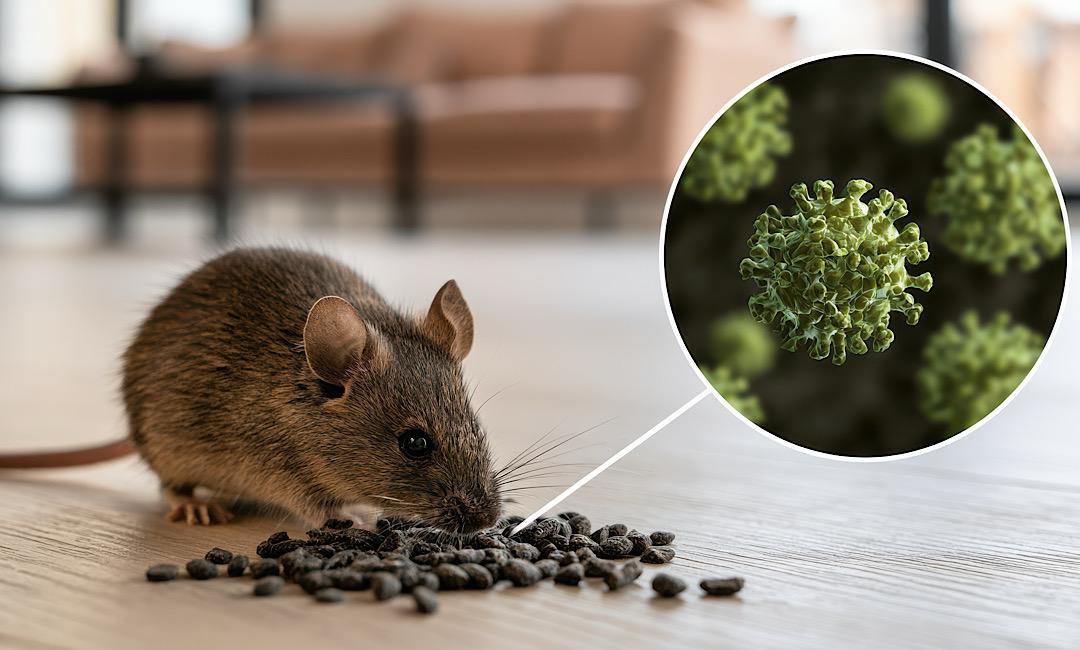
Any wildlife activity in attics or crawl spaces can create sanitation concerns. Rodent urine and droppings can expose people to pathogens when dust becomes airborne—especially during sweeping, vacuuming, or insulation removal. The CDC emphasizes prevention and safe cleanup practices to reduce risk from hantavirus exposure (spread via infected rodents’ urine, droppings, or saliva).
Step-by-step: what to do before you disturb attic debris
1) Avoid dry cleanup. Sweeping or vacuuming can stir contaminated dust into the air. (This is a big reason professional cleanup matters.)
2) Ventilate when possible. If you must enter an attic, open vents/doors where safe and allow fresh air to circulate before spending time inside.
3) Use the right PPE. Gloves and eye protection are a baseline; respiratory protection may be appropriate depending on contamination levels.
4) Treat the cause, not just the mess. Cleanup without exclusion is temporary—new droppings will follow if entry points remain open.
Practical takeaway: If you’re seeing heavy droppings, multiple nests, or a strong odor in an enclosed attic, consider pausing and getting professional guidance before cleanup. Public agencies note that heavy infestations can require more stringent protective measures.
“Did you know?” quick facts that help homeowners act faster
Flying squirrels are nocturnal. If the noises are mostly at night, it points away from many daytime pests and toward wildlife.
Exclusion is the long-term fix. If a home isn’t sealed properly, activity often returns seasonally—even after a “quiet period.”
Routine relocation isn’t a safe plan. South Carolina restricts the routine relocation of wildlife, which is another reason to focus on lawful, humane exclusion and prevention.
Mount Pleasant & Charleston local angle: why homes near marsh and tree cover see more wildlife pressure
Neighborhoods with mature trees, palms, and tight rooflines—plus the humidity swings that come with coastal living—can create perfect conditions for attic intrusions. In Mount Pleasant and across Charleston County, we often see wildlife activity tied to:
Roof access: overhanging branches, trellises, and fence lines that “bridge” to the roof.
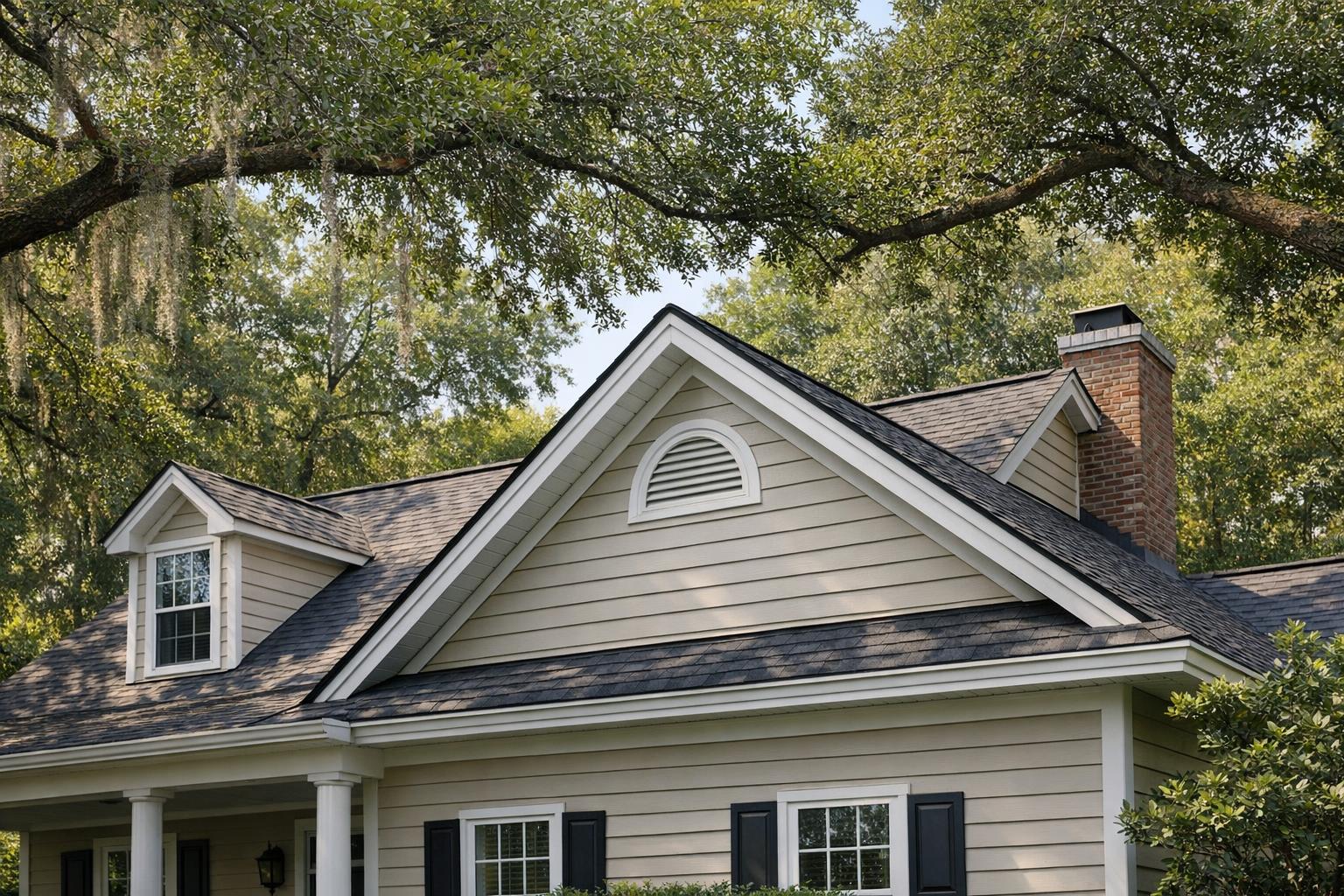
Construction details: gable vents, soffit intersections, and roof returns that develop gaps over time.
Moisture: damp crawl spaces and humid attics that can compound odor and insulation issues if wildlife is present.
If your home also struggles with moisture, pairing wildlife prevention with crawl space encapsulation can help reduce conditions that attract pests and contribute to odors.
When to call a pro (especially before summer travel)
If any of the items below apply, it’s smart to schedule an inspection sooner rather than later:
You’re hearing activity nightly, and it’s increasing week to week.
You smell a strong odor near attic access, closets, or HVAC returns.
You see droppings or disturbed insulation and want it handled safely and thoroughly.
For general protection year-round, explore our pest control services in Mt. Pleasant & Charleston and keep small issues from turning into bigger ones.
Need help with suspected flying squirrels in the attic?
Lowcountry Pest Management helps homeowners across Mount Pleasant and the greater Charleston area with inspection, humane solutions, cleanup guidance, and prevention strategies tailored to coastal homes.
Request an Inspection / Get a Quote
Same-day and emergency options may be available depending on scheduling.
FAQ: Flying squirrel removal in Charleston, SC
Are flying squirrels dangerous to people?
They’re not typically aggressive, but any wildlife in an attic can create sanitation risks. The bigger concern is contact with urine/droppings and the dust they can create during cleanup. The CDC recommends careful prevention and cleanup practices to reduce hantavirus risk from infected rodents.
Can I just seal the hole I see from the outside?
Sealing without confirming all entry points (and that animals are out) can trap wildlife inside and create bigger odor and cleanup problems. A complete inspection and exclusion plan is the reliable way to stop repeat activity.
Is relocating flying squirrels legal in South Carolina?
SCDNR notes it is against state law to permit routine relocation of wildlife. That’s why prevention-focused exclusion is the preferred approach for long-term results.
What if I’m not sure it’s flying squirrels?
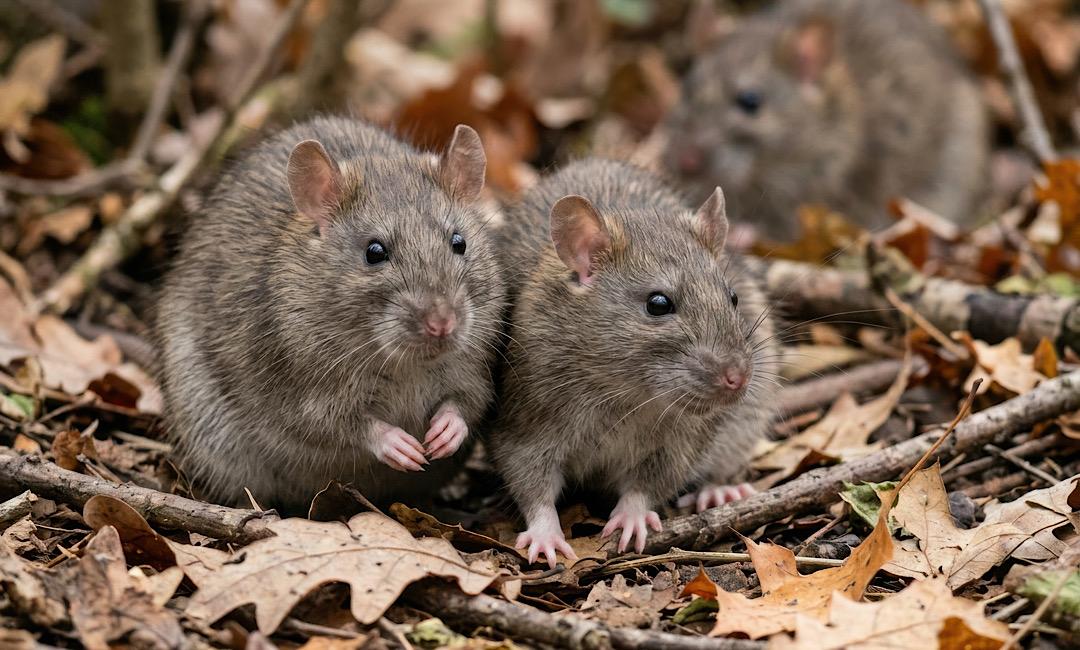
Many pests can sound similar. An inspection can confirm whether you’re dealing with flying squirrels, rats, mice, bats, or something else—and that distinction matters for both safety and the right removal strategy. If you’re also noticing gnawing, droppings in garages, or activity around the foundation, see our rodent control services.
Do I need to replace insulation after wildlife activity?
Not always—but if insulation is heavily soiled, compressed, or contaminated, removal and replacement can improve odor control and indoor comfort. The first priority is always removal/exclusion, then sanitation decisions based on what’s found.
Glossary (plain-English)
Exclusion: A prevention method that allows wildlife to leave and then seals entry points so they can’t re-enter.
Entry point: Any gap, hole, vent opening, or construction seam that wildlife can use to access an attic, crawl space, or wall void.
Sanitation/Decontamination: Cleaning steps designed to reduce odor and health risks associated with droppings, urine, and nesting materials.
Hantavirus: A serious illness associated with exposure to infected rodents’ urine/droppings/saliva; prevention and safe cleanup are emphasized by public health agencies.