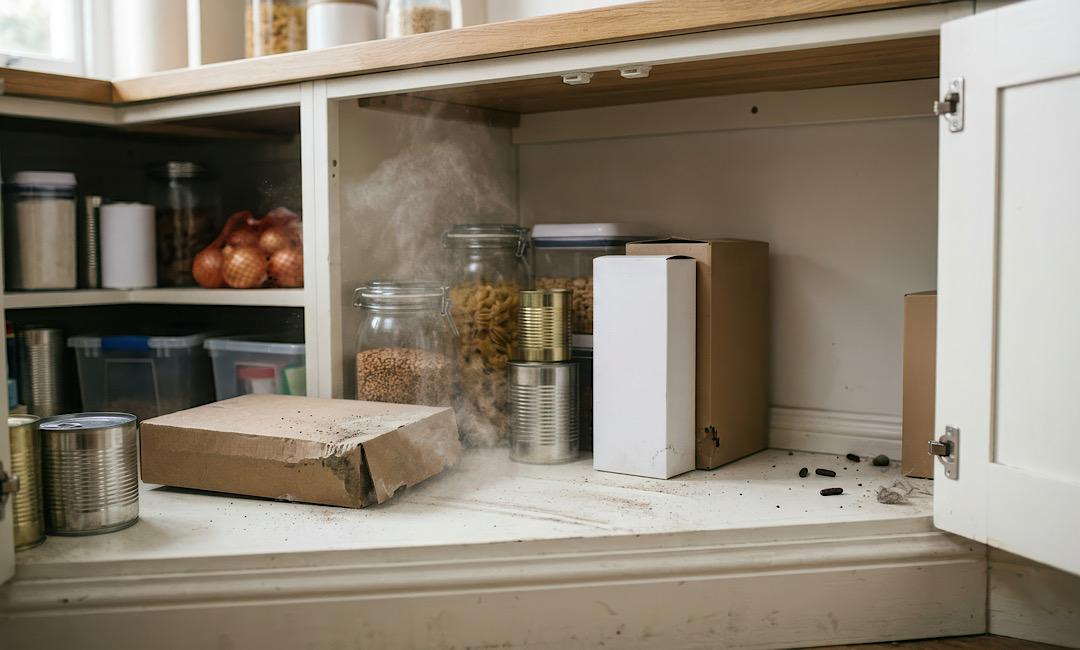

Why garages get hit first when heat, humidity, and storms ramp up
In Mount Pleasant and the greater Charleston area, garages, sheds, and outdoor storage become prime shelter once summer clutter builds up and sudden storms push pests toward dry, protected spaces. The problem isn’t only the noise in the walls—rodents can contaminate stored items, chew wiring, shred insulation, and create repeat “return visits” if entry points and food sources aren’t addressed.
What’s usually in the garage: mice, roof rats, and Norway rats
In coastal South Carolina, the most common indoor-invading rodents are typically house mice, roof rats, and Norway rats. Each behaves differently, which matters because the “fix” is not one-size-fits-all—roof rats often travel high (trees, fences, rooflines), while Norway rats are more ground-focused and will exploit low-level gaps, slab edges, and cluttered corners.
| Rodent | Why they like garages | Common damage | Where to look first |
|---|---|---|---|
| House mouse | Easy access + nesting material (cardboard, fabric, insulation) | Contamination, gnawing, shredded boxes | Door gaps, corners, utility penetrations; any pencil-sized opening |
| Roof rat | Likes elevated routes and protected rafters/attic access | Wiring damage, nesting in insulation, droppings in storage | Upper corners, roofline transitions, overhanging branches near garage |
| Norway rat | Prefers ground-level access and hidden runways | Chewing, burrowing near slab edges, odor and heavy contamination | Garage door seal, slab cracks, gaps at pipe/AC line entry points |
A key reality for homeowners: mice can fit through openings about 1/4 inch (roughly pencil-width). That means a “small” gap at the garage door, where conduit enters the wall, or at a framing corner can be enough to start the problem. Guidance from public health sources consistently emphasizes sealing openings at or above that size.
Why “summer clutter + storms” is a rodent recipe in the Lowcountry
Garages become a perfect blend of harborage (places to hide), nesting material (cardboard, packing paper, stored cushions), and incidental food (bird seed, pet food, snack bins, even crumbs in a boat cooler). Add heavy rain and quick barometric changes, and rodents will push into the driest, quietest space they can reach.
If your garage is attached, the stakes go up. Once a rodent gets into the garage, it may work its way into wall voids and shared framing, turning “garage activity” into a kitchen or attic issue.
Fast ways to confirm activity (before it becomes an infestation)
What you’ll see
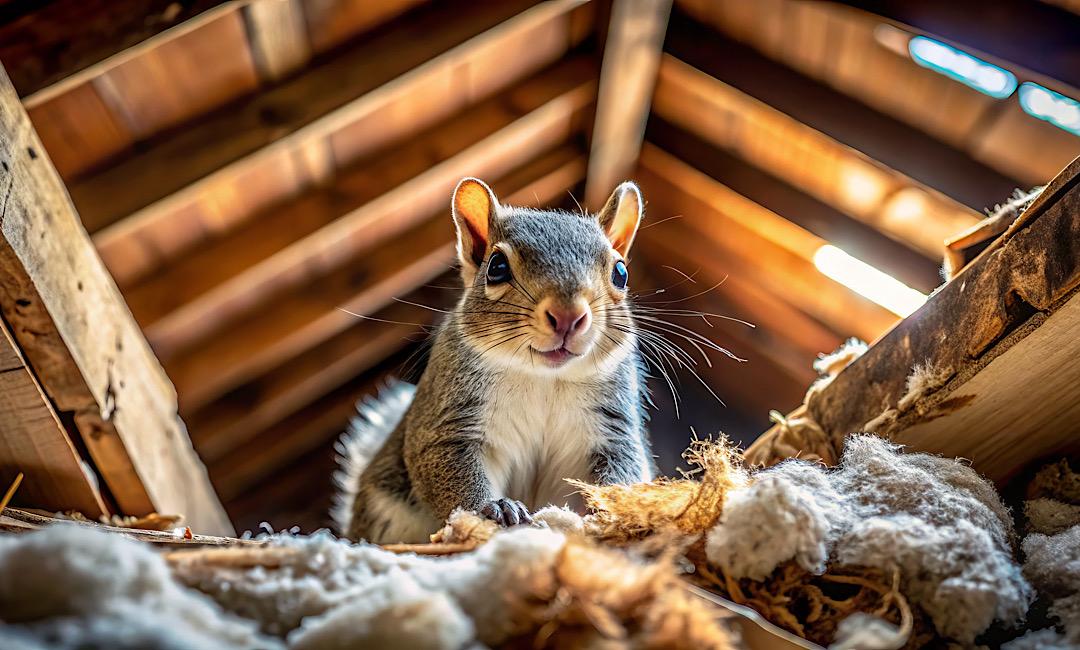
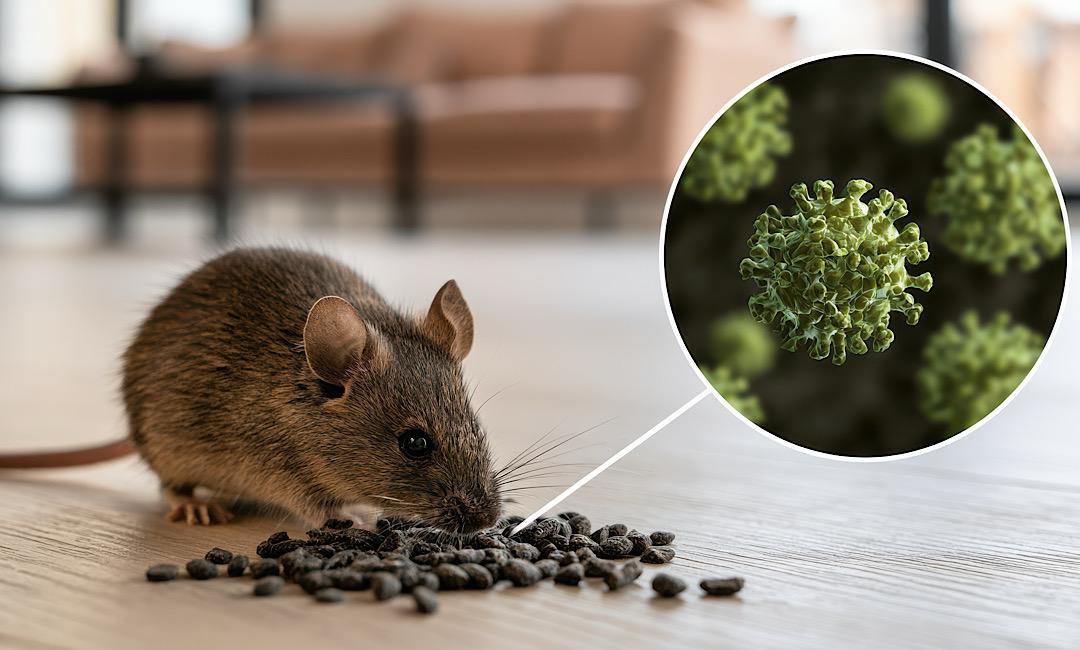
Droppings near walls or behind storage totes, shredded paper/cardboard, gnaw marks, smudgy rub marks along edges, and disturbed insulation in the ceiling area. A persistent “musky” or ammonia-like odor in a closed garage can also be a clue when activity has been present for a while.
What you’ll hear
Scratching after dusk, light thumping in the rafters, or movement behind stacked items. If the sound is consistently high (above the garage door tracks or near the ceiling), roof rats become more likely; if it’s low along the slab edge, Norway rats are more likely.
Step-by-step: a homeowner-friendly garage rodent control plan
1) Start with the garage door seal (it’s the usual “front door”)
Check the bottom seal where the door meets the slab and the side/top weatherstripping. Look for daylight at corners and along the sides. Even small gaps matter—mice can squeeze through pencil-width openings (about 1/4 inch).
2) Hunt for utility gaps and “hard-to-notice” holes
Focus on where pipes, conduit, HVAC lines, and cables enter the garage. If there’s crumbling foam, missing mortar, or an unsealed ring around a pipe, that’s a common entry route.
3) Seal openings with the right materials (not just foam)
For small gaps, public health guidance commonly recommends combining a gnaw-resistant fill (like steel wool/copper mesh) with caulk to lock it in place. For larger openings, use hardware cloth (metal mesh) and durable patch materials. The goal is a repair rodents can’t chew through.
4) Reduce “free food” that keeps them coming back
Move bird seed, pet food, grass seed, and snacks into tight, rodent-resistant containers. Clean up spills under shelves and around workbenches. In the Lowcountry, this one step often changes the game because the garage is frequently used as a “pantry extension.”
5) Re-stack storage to remove hiding spots
Rodents feel safer when they can travel unseen. Create a simple “inspection lane”: keep items 6–12 inches off the wall where possible, elevate cardboard boxes into sealed totes, and avoid leaving soft goods (boat cushions, moving blankets) directly on the floor.
6) Use targeted trapping—then reassess entry points
Trapping can reduce active rodents, but exclusion (sealing entry points) and sanitation are what prevent the next wave. If activity returns quickly after cleanup, it’s a sign there’s still a hidden entry route or an ongoing attractant.
Local Mt. Pleasant & Charleston area tips (plus nearby towns)
Coastal humidity, dense landscaping, and mild winters mean rodent pressure can stay steady year-round, with noticeable spikes when storms drive wildlife to shelter. Homeowners in Mount Pleasant (including areas near Shem Creek and the I-526 corridor) often see garage activity after heavy rain, storage cleanouts, or when vegetation grows tight to the structure.
If you’re in surrounding communities like Charleston, Sullivan’s Island, Isle of Palms, Daniel Island, James Island, West Ashley, North Charleston, Hanahan, or Goose Creek, the fundamentals are the same: seal the structure, remove attractants, and keep storage organized so you can inspect quickly.
One detail that’s especially relevant near the coast: if you have a boat, golf cart, or seasonal gear stored in the garage, check under tarps and covers regularly—quiet, undisturbed pockets are favorite nesting spots.
When DIY isn’t enough: what a professional inspection adds
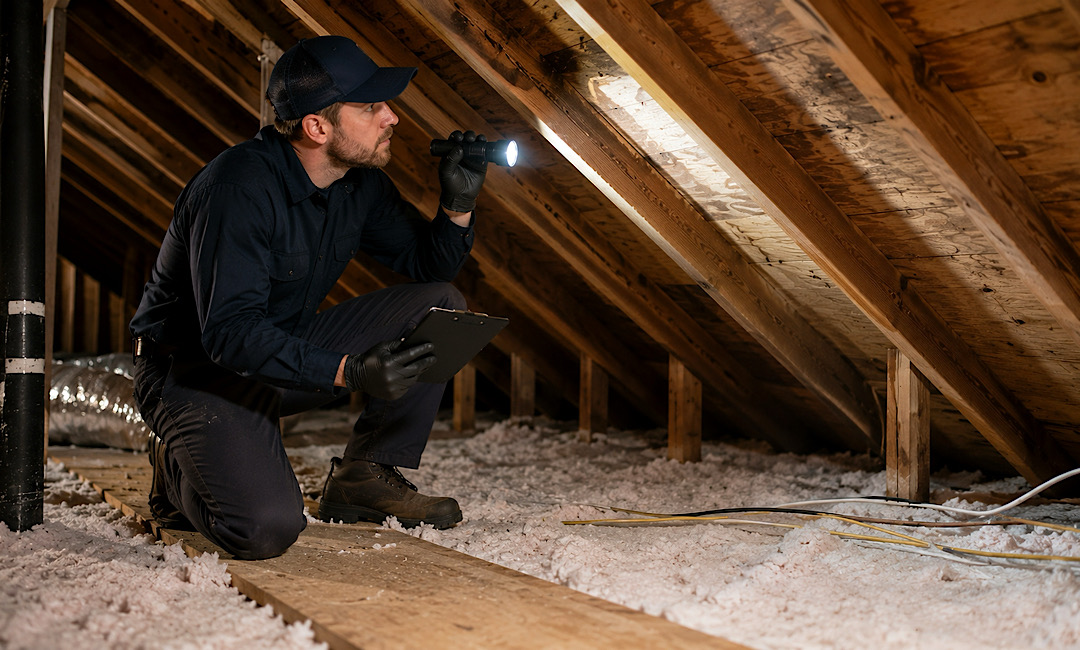
A professional rodent inspection typically maps (1) where activity is happening, (2) how rodents are traveling, and (3) the specific entry points that match the species. That matters because recurring garage rodents often involve multiple access points—not just the garage door.
Need help with garage rodent control in Mt. Pleasant, SC?
Lowcountry Pest Management is family-owned with decades of local experience. If you’re seeing droppings, hearing movement, or finding chewed storage in your garage, a targeted inspection can identify entry points and stop repeat activity—without guesswork.
FAQ: Garage rodent control (Mt. Pleasant & Charleston area)
What’s the most common garage entry point for mice?
The garage door seal (bottom and corners) is a frequent culprit, followed closely by utility penetrations where pipes or cables pass through the wall. If you can see daylight, feel a draft, or fit a pencil into a gap, it’s worth addressing.
Is spray foam enough to keep rodents out?
Foam alone is often not enough because rodents may chew it. A better approach is using gnaw-resistant material (metal mesh/steel wool or hardware cloth, depending on the gap) paired with a durable sealant/patch.
Why do rodents keep returning even after I clean the garage?
Cleaning helps, but repeat activity usually means an entry point is still open or a food source remains (bird seed, pet food, snack bins, or spills). Also, rodents can follow established routes and scent trails back to the same area—making exclusion and habitat changes critical.
Should I worry if rodents are “only” in the garage?
Yes—especially with an attached garage. Rodents may transition into wall voids, attic spaces, or shared framing. It’s also common to find contamination in stored items, plus chewing damage to wiring and stored equipment.
What’s the best “quick win” today if I’m short on time?
Do a 15-minute sweep: secure food items into sealed containers, clear the perimeter along the walls so you can see droppings/gnawing, and inspect the garage door corners and bottom seal. Those steps alone often reduce activity while you plan longer-term exclusion.