A practical, low-stress checklist for Mount Pleasant homes—before mice or rats reach the attic, kitchen, or crawl space
Late summer into fall is a common time for Charleston-area homeowners to notice scratching at night, pepper-like droppings in cabinets, or chewed packaging in pantries. If you’re Googling “do i have mice in my house sc”, you’re not alone—and catching the problem early is the difference between a quick fix and a recurring infestation.
At Lowcountry Pest Management, we’ve spent more than two decades helping families and businesses in Mount Pleasant and Charleston, South Carolina identify rodent activity, close entry points, and prevent re-infestation with eco-friendly, safety-first methods designed for our coastal climate.
Mice vs. rats in coastal South Carolina: why it matters
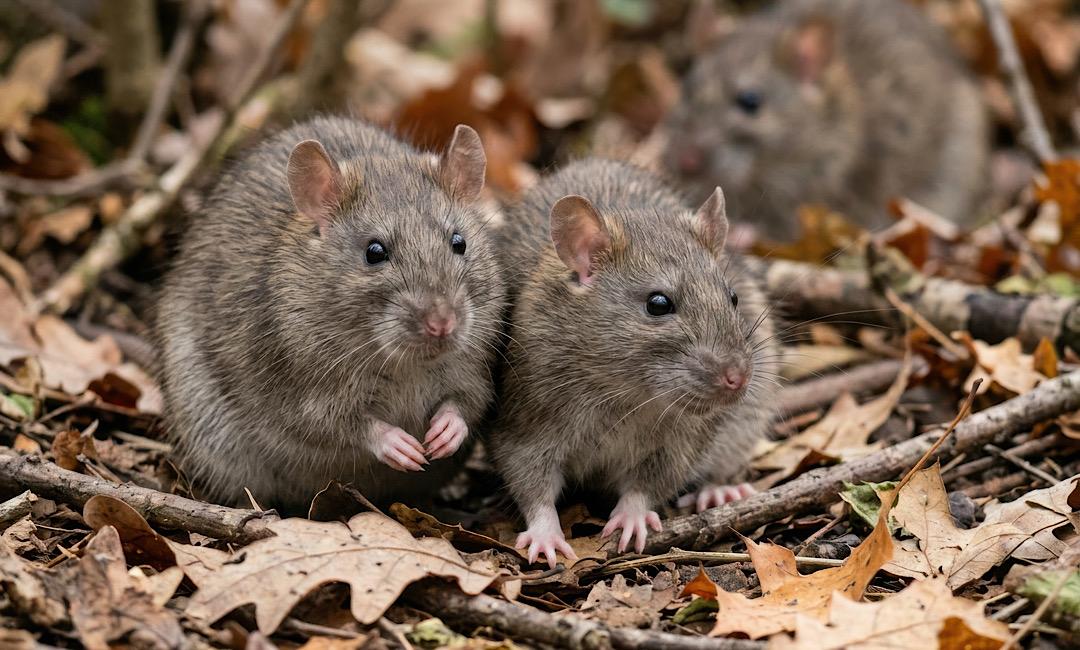
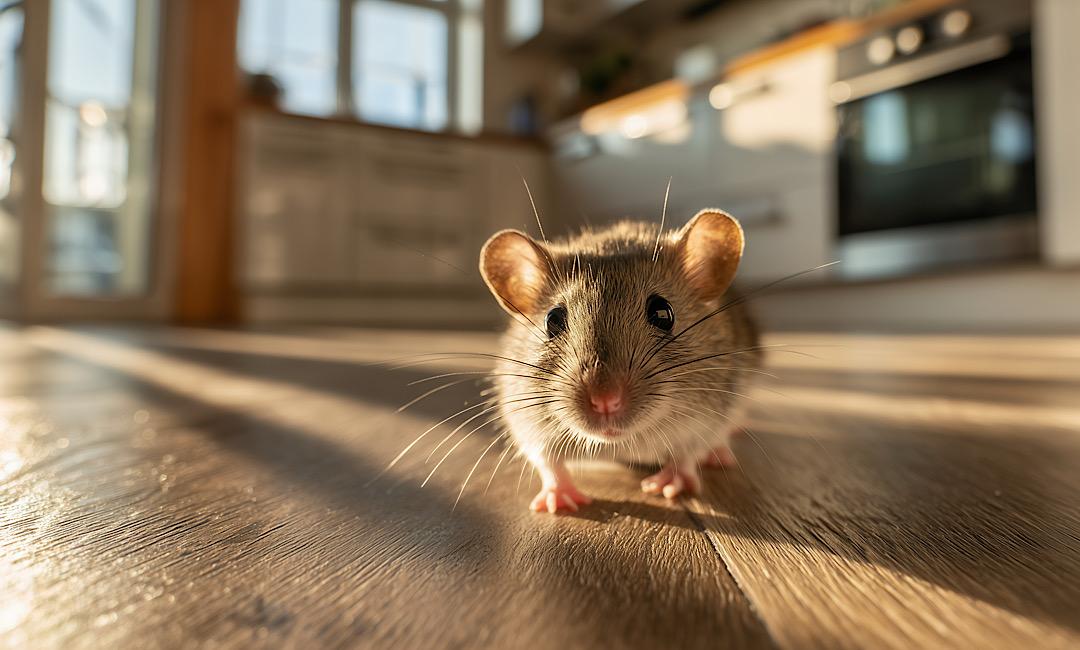
In the Lowcountry, homeowners commonly run into house mice and several rat species that thrive around neighborhoods, marsh edges, and commercial corridors. The exact rodent matters because it changes:
What you’ll hear: mice are lighter (quick scratching), rats can sound heavier (thumps, louder gnawing).
What you’ll see: rat droppings are typically larger than mouse droppings; gnaw damage can be more destructive with rats.
How fast it escalates: both reproduce quickly and contaminate stored items, insulation, and hidden voids.
Top signs you may have mice in your house (SC)
Rodents are experts at staying out of sight. These are the signs that most often show up first in Mount Pleasant and Charleston homes:
1) Droppings (most common early clue)
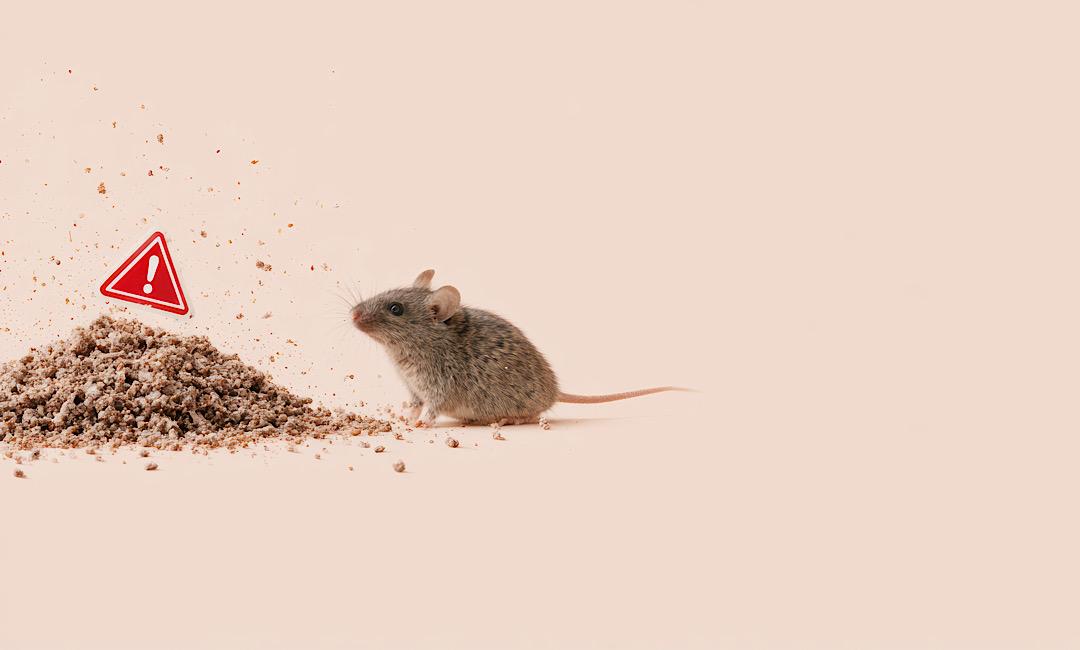
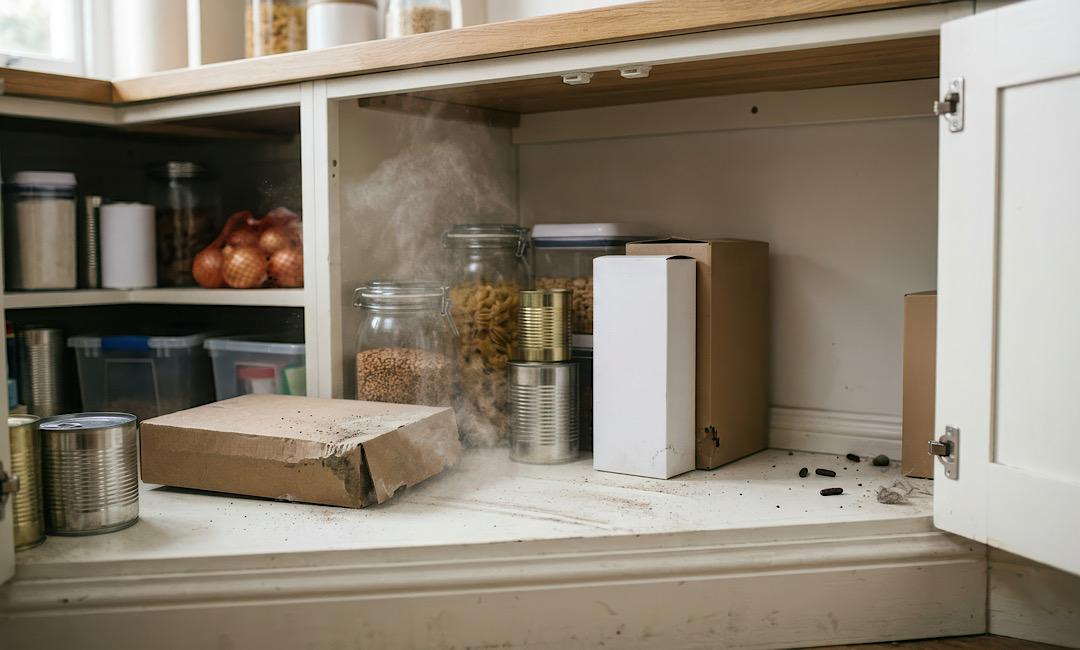
Mouse droppings are often small and dark—many homeowners describe them as “rice-like.” Check under sinks, behind the stove or fridge, pantry corners, garage storage, and the crawl space access area. If droppings keep appearing after you clean, that’s active traffic.
2) Scratching, scurrying, or gnawing sounds at night
Noises are commonly reported in walls, ceilings, attics, and crawl spaces—especially when the house is quiet. If the sound pattern is frequent (night after night), it’s usually more than a single “lost” rodent.
3) Chew marks on food packaging, wires, or stored items
Rodents gnaw to keep their teeth worn down. Look for torn cereal boxes, chewed pet food bags, shredded paper, damaged insulation, and bite marks around soft plastics. Chewed wiring is a serious hazard and should be addressed quickly.
4) Smudges, rub marks, or “runways” along edges
In hidden routes (behind appliances, along baseboards, in attic paths), rodents can leave faint grease marks and disturbed dust patterns. If you see a consistent “track,” it’s often a travel corridor to food or nesting areas.
5) Nesting material
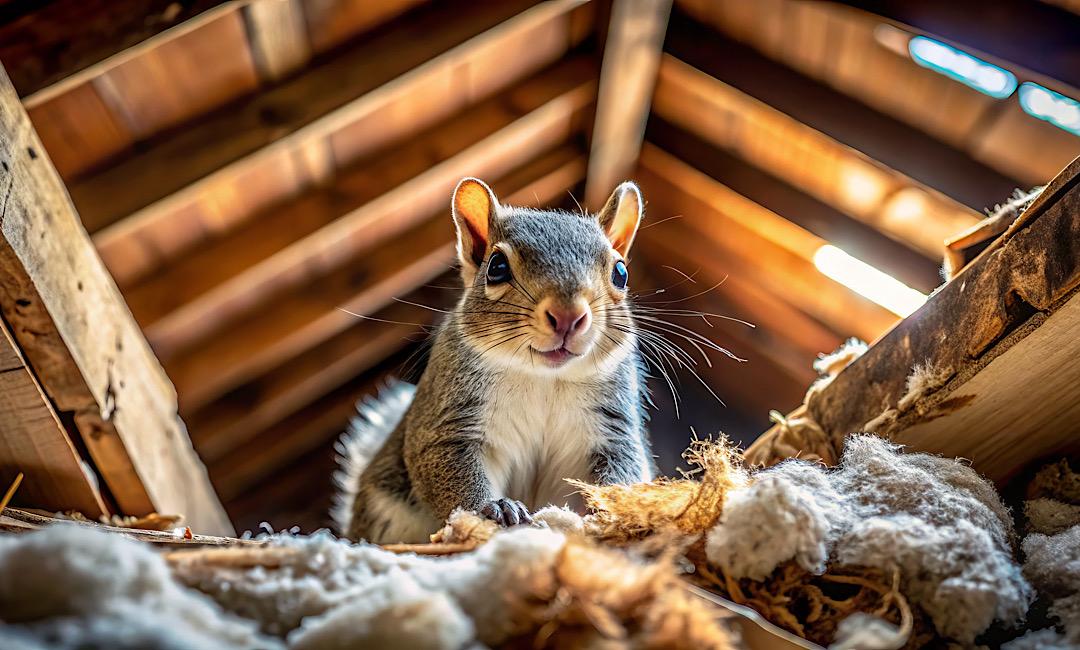
Shredded paper, fabric, insulation, or dried plant matter piled in a protected corner (garage storage, attic insulation, behind water heater platforms, or crawl space voids) can indicate nesting.
Quick “Did you know?” facts (rodents + Lowcountry homes)
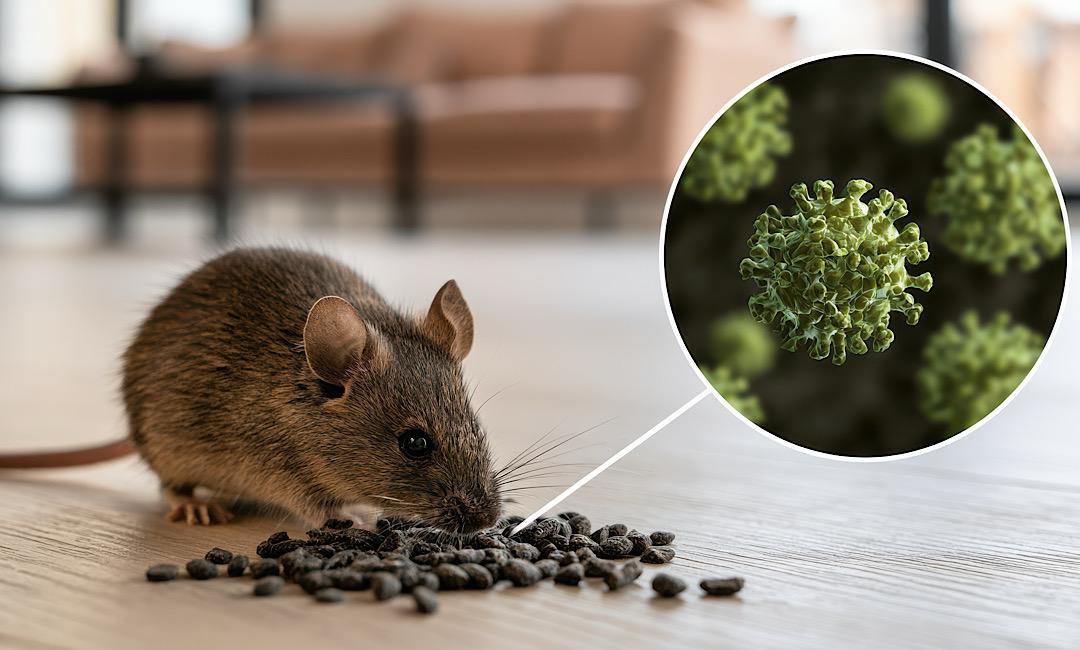
Did you know? Rodents can contaminate surfaces through droppings and urine, which is why safe cleanup matters as much as removal.
Did you know? Sweeping or vacuuming dry droppings can stir particles into the air. Public health guidance recommends wetting/disinfecting first and using gloves.
Did you know? If rodents have accessed HVAC or ductwork areas, professional help is often the safest route because contamination can spread beyond what you can see.
Step-by-step: what to do if you suspect mice (without making it worse)
Step 1: Confirm activity (don’t guess)
Pick 3–5 high-probability zones and inspect with a flashlight: under the kitchen sink, behind the stove/fridge, pantry corners, garage edges, attic access, and the crawl space entry. Take photos of droppings/gnaw marks so you can compare changes over the next 48–72 hours.
Step 2: Protect food and remove easy attractants
Move pantry items into sealed containers, clean crumbs and pet feeding areas, and reduce clutter along walls (rodents prefer to travel where they feel hidden). If you store bird seed or pet food in the garage, switch to tight, lidded bins.
Step 3: Clean droppings safely
If you find droppings or nesting material, avoid dry sweeping or vacuuming. Ventilate the area when possible, wear gloves, and use a household disinfectant (or a bleach solution per label/health guidance) to wet the material before wiping it up. Dispose of waste in a sealed bag and disinfect the surrounding surfaces. If the contamination is extensive or involves ventilation systems/ductwork, schedule professional help.
Step 4: Identify likely entry points (then plan exclusion)
Common Lowcountry entry routes include gaps around plumbing penetrations, garage door corners, torn crawl space vents/screens, soffit and roofline gaps, and door sweeps that don’t seal. The goal is simple: remove access, not just remove rodents.
Step 5: Schedule an inspection before the “hidden areas” get established
Once rodents set up in an attic or crawl space, they can damage insulation, leave odor, and create recurring entry pressure. A professional inspection helps confirm the species, locate entry points, and build a plan that includes trapping/removal plus exclusion.
What an expert rodent inspection looks for (and why DIY often stalls)
A thorough inspection goes beyond “set traps and hope.” It typically focuses on:
Species clues: droppings size/shape, gnaw patterns, noise location, and travel routes.
Entry mapping: every gap, rub mark, and utility penetration from foundation to roofline.
Harborage zones: attic insulation, crawl space voids, garage storage walls, and kitchen appliance corridors.
Moisture/conditions: damp crawl spaces can attract pests and make exclusion harder—encapsulation and moisture control can be part of long-term prevention.
Quick comparison table: “single mouse” vs. active infestation
What you notice
Could be a one-off
More likely an infestation
Droppings
A few in one spot, no repeat after cleanup
New droppings appear repeatedly in multiple rooms/levels
Noises
One-time sound, no pattern
Nightly scratching/scurrying in walls/attic/crawl space
Chew damage
Minor, isolated
Multiple items/areas; shredded nesting material; wiring/insulation impacted
Local angle: Mount Pleasant + surrounding towns where rodent calls spike
Coastal humidity, mild winters, and steady construction activity can create a constant “push” of rodents from outdoor harborage into homes—especially when temperatures shift and food sources change. We commonly help homeowners not only in Mount Pleasant and Charleston, but also nearby communities including Sullivan’s Island, Isle of Palms, Daniel Island, North Charleston, Goose Creek, Hanahan, Ladson, Summerville, James Island, Johns Island, and West Ashley.
If your home has a crawl space, that’s an especially important area to inspect early—rodents use it as a protected highway, and moisture can make conditions more attractive over time.
Pro tip for Lowcountry homes: If you’re hearing activity but can’t find droppings indoors, check the crawl space door, plumbing penetrations under sinks, and behind the dishwasher—those are common “first stops” once rodents get inside.
Want a professional rodent inspection in Mount Pleasant or Charleston?
If you’re noticing scratching sounds, droppings, or chewed materials, an inspection can confirm what’s happening and identify entry points before rodents settle into attics, kitchens, or crawl spaces. Lowcountry Pest Management offers safe, eco-friendly solutions with same-day and emergency options when available.
FAQ: Mice in the house (South Carolina)
If I saw one mouse, does that mean there are more?
Not always, but it’s common. A single sighting often means there’s an entry point and a food/water source nearby. If you also find droppings in multiple areas or hear recurring night noises, assume ongoing activity and schedule an inspection.
Where do mice usually hide in Mount Pleasant homes?
Common hiding zones include behind kitchen appliances, inside cabinet voids, garage wall edges, attic insulation, and crawl spaces. In older homes, gaps around plumbing and under doors are frequent routes.
Is it safe to vacuum mouse droppings?
Public health guidance advises against dry sweeping or vacuuming droppings because it can stir contaminated particles into the air. Wet/disinfect first, wear gloves, and wipe up carefully; for heavy contamination or HVAC/duct involvement, use a professional service.
Do I need traps, or do I need to seal entry points?
Both. Traps help remove active rodents, but exclusion (sealing entry points) is what prevents repeat problems. The most frustrating situations happen when removal occurs without sealing access routes.
Can rodents affect indoor air quality?
Yes. Droppings, nesting material, and dander can contribute to odors and airborne particulates—especially if activity occurs in attics, crawl spaces, or near HVAC pathways. If you suspect contamination in ducts, professional assessment is recommended.
Glossary (helpful terms you’ll hear during rodent control)
Exclusion: Sealing and reinforcing entry points (gaps, vents, door sweeps, plumbing penetrations) so rodents can’t re-enter.
Harborage: A protected area where rodents hide and nest (attics, crawl spaces, storage voids, insulation).
Runway: A repeated travel path rodents use along edges and walls, sometimes leaving rub marks or disturbed dust.
Sanitation (rodent control context): Reducing food, water, and clutter that supports rodent activity—an important companion to trapping and exclusion.
If you’ve found droppings, heard consistent nighttime scratching, or noticed chew marks, the fastest path to peace of mind is a targeted inspection and a clear plan. Contact Lowcountry Pest Management to schedule service in Mount Pleasant, Charleston, and surrounding towns.