Fast relief for Charleston-area “big roaches” during hot, wet weeks
When the Lowcountry gets humid and stormy, “palmetto bug” sightings spike—especially in bathrooms, kitchens, laundry rooms, and garages. In Mt. Pleasant and the greater Charleston area, these large roaches often wander in from outdoors looking for moisture, shelter, and easy food sources. The good news: you can reduce sightings dramatically with the right mix of exclusion, moisture control, sanitation, and a targeted barrier treatment plan tailored to coastal conditions.
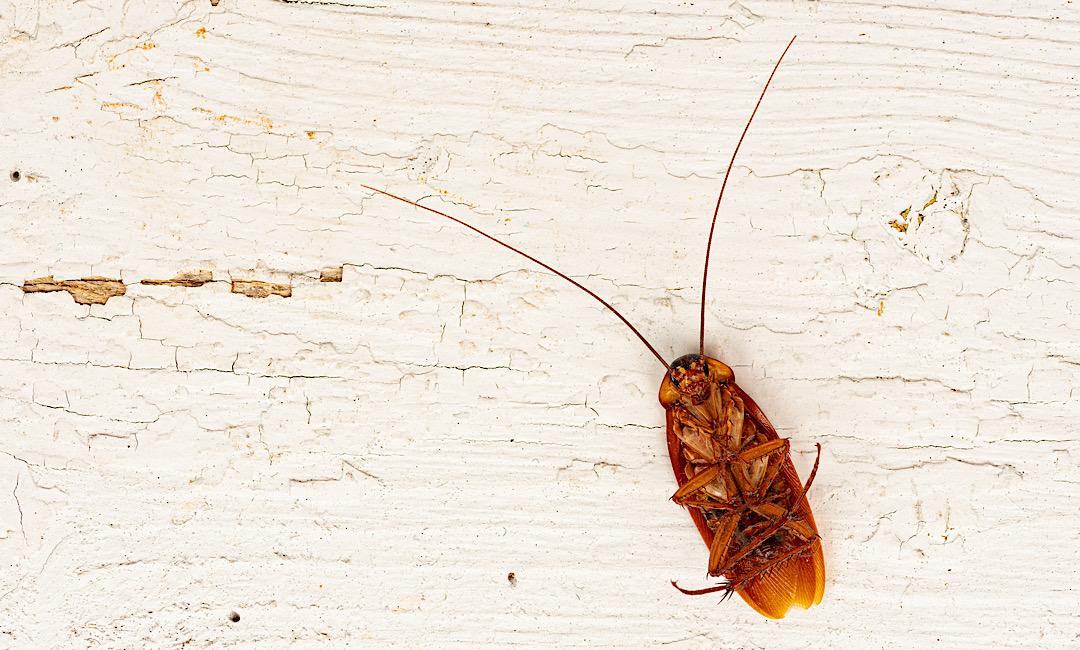
Local clarity: In South Carolina, “palmetto bug” commonly refers to the American cockroach—a large species well known along the coastal plain.
Palmetto bug vs. “infestation roach”: what Mt. Pleasant homeowners should know
Not all roaches behave the same. Coastal homeowners often see big roaches (palmetto bugs/American cockroaches) that live primarily outdoors and intrude indoors. That’s different from smaller roaches that can establish heavy, indoor breeding populations if conditions are right. A professional inspection matters because treatment strategy changes depending on whether you’re dealing with occasional invaders or an active indoor harborage.
Why palmetto bugs show up in bathrooms, kitchens, and garages
In the Lowcountry, the biggest drivers are moisture and easy access. American cockroaches prefer damp, protected areas—think mulch beds, leaf litter, woodpiles, storm drains, and sewer-adjacent voids. After heavy rain or during long stretches of humidity, they’ll follow moisture gradients and slip indoors through tiny openings. Research also shows humidity plays a meaningful role in how American cockroaches choose shelter.
Common “entry + attractant” combos we see around Mt. Pleasant homes:
Bathrooms: leaky supply lines, sweating pipes, gaps at plumbing penetrations under sinks, exhaust fans that don’t vent well.
Kitchens: pet food left out overnight, crumbs under appliances, moisture around dishwashers and refrigerators, gaps behind cabinets.
Garages: worn bottom door seal, stored cardboard, floor drains, clutter against walls that creates hiding zones.
Crawl spaces: high humidity, standing water, missing vapor barrier, open vents or unsealed penetrations.
A practical plan: exclusion + moisture control + targeted treatment
If you want fewer “surprise” palmetto bug sightings, focus on removing what they need: water, hiding places, and easy pathways indoors. Chemical-only approaches can help, but they work best when paired with the basics below.
| What to Fix | Why It Works | What a Pro Will Look For |
|---|---|---|
| Door sweeps + weatherstripping | Blocks one of the most common entry points for large roaches. | Light gaps at exterior doors, garage door corners, torn seals. |
| Seal penetrations (plumbing, cables) | Stops roaches from moving from wall voids/crawl spaces into living areas. | Gaps under sinks, behind toilets, around hose bibs & AC line sets. |
| Moisture reduction | Roaches thrive in damp conditions; dry zones are less attractive. | Leaks, condensation, damp crawl space, clogged gutters, poor drainage. |
| Exterior habitat cleanup | Reduces the “source pressure” right outside your walls. | Leaf litter, thick mulch against foundation, woodpiles, cluttered porches. |
| Targeted perimeter barrier + interior crack/crevice work | Intercepts intruders and treats known travel corridors and hiding spots. | Foundation line, weep holes/expansion joints, garage edges, plumbing chases. |
Health note: For people with asthma or allergies, cockroach allergens (droppings, body parts, saliva proteins) can contribute to symptoms in some individuals—one reason it’s smart to act early rather than “wait and see.”
Step-by-step: what to do when you see a palmetto bug inside
1) Don’t just spray and hope
A quick spray can knock one down, but it won’t address why it got in. If you’re seeing them weekly (or after every storm), it’s usually an access/moisture issue plus high outdoor activity.
2) Check the “water triangle” within 20 feet
Look for: leaking P-traps and shutoff valves, wet bath mats, slow drains, toilet tank sweating, and damp cardboard (especially in garages). Fixing water access cuts repeat visits fast.
3) Seal the easy doorways that big roaches exploit
Replace worn door sweeps, tighten weatherstripping, and seal gaps around plumbing/cable penetrations. Big roaches don’t need much space.
4) Get a perimeter plan that matches coastal conditions
In Mt. Pleasant, barrier treatments perform best when they’re paired with exterior habitat reduction (mulch/leaf management) and interior crack-and-crevice attention in moisture-prone rooms.
Tip for families with kids & pets
Ask your pest professional about treatment placement, drying times, and how to reduce indoor exposure risks. Eco-friendly, targeted approaches typically focus on low-contact areas (cracks/crevices, perimeters, and exterior zones) rather than broad indoor spraying.
Did you know? Quick palmetto bug facts
“Palmetto bug” is often a nickname for large cockroaches in the Southeast—especially the American cockroach along the South Carolina coast.
Humidity matters. Damp conditions influence where American cockroaches choose to shelter, which helps explain why sightings jump during sticky weather and after storms.
Cockroach allergens can be a real issue for some households—especially if someone has asthma or allergies.
Local Mt. Pleasant + Charleston angle (and surrounding towns)
Our coastal mix of heat, humidity, afternoon storms, and lush landscaping creates ideal conditions for “big roaches” to thrive outdoors—and occasionally move indoors. If you’re searching for a palmetto bug exterminator in Mt. Pleasant, SC, it helps to choose a company that understands Lowcountry construction details (crawl spaces, exterior penetrations, garage transitions) and seasonal pressure patterns.
Lowcountry Pest Management serves Mt. Pleasant and Charleston-area communities including Isle of Palms, Sullivan’s Island, Daniel Island, Hanahan, Goose Creek, North Charleston, James Island, Johns Island, West Ashley, and Summerville. (If you’re nearby and unsure, contact us—our team can confirm service availability.)
Helpful related services (when palmetto bugs keep coming back)
• General Pest Control for perimeter protection and indoor hotspot targeting
• Crawl Space Encapsulation to reduce moisture that attracts pests
• Rodent Control (rodent activity can overlap with sanitation and entry-point issues)
• Pest Library to help identify what you’re seeing before you treat
Need help today? Get a fast, local inspection and treatment plan
If palmetto bugs are showing up in your bathroom, kitchen, or garage—especially after storms—Lowcountry Pest Management can help you identify the entry points, reduce moisture drivers, and set up a prevention plan designed for Mt. Pleasant and Charleston’s coastal climate.
FAQ: Palmetto bugs in Mt. Pleasant, SC
Are palmetto bugs the same as cockroaches?
In South Carolina, “palmetto bug” commonly refers to the American cockroach (a large cockroach associated with the coastal plain).
Why do I see them after heavy rain?
Rain and high humidity shift outdoor shelter conditions and can drive roaches toward drier, protected spaces—sometimes through garages, door gaps, and plumbing penetrations. Humidity strongly influences shelter selection for American cockroaches.
Does one palmetto bug mean I have an infestation?
Not always. Many Mt. Pleasant sightings are outdoor-to-indoor intrusions. Repeated sightings, activity at night in the same areas, or finding multiple roaches (or egg cases/droppings) can indicate a harborage that needs professional attention.
What’s the fastest way to reduce them without over-spraying indoors?
Start with door sweeps/weatherstripping, sealing plumbing penetrations, reducing moisture (fix leaks/condensation), and removing exterior hiding spots near the foundation. Then add a targeted perimeter barrier and crack-and-crevice treatments where activity is highest.
Can palmetto bugs affect allergies or asthma?
Cockroach allergens (from droppings, saliva proteins, and body parts) can trigger symptoms for some people with asthma or allergies. If your household is sensitive, prevention and early control are especially important.
Glossary (plain-English pest terms)
Exclusion
Physical repairs that block pests from entering—sealing cracks, adding door sweeps, and closing utility gaps.
Harborage
A protected spot where pests hide and rest (and sometimes breed), like wall voids, cluttered storage, or damp crawl spaces.
Perimeter barrier treatment
A targeted application around the exterior foundation and key entry points designed to intercept pests before they get inside.
IPM (Integrated Pest Management)
A balanced approach that combines sanitation, exclusion, moisture control, monitoring, and targeted treatment—often reducing the need for broad indoor spraying.