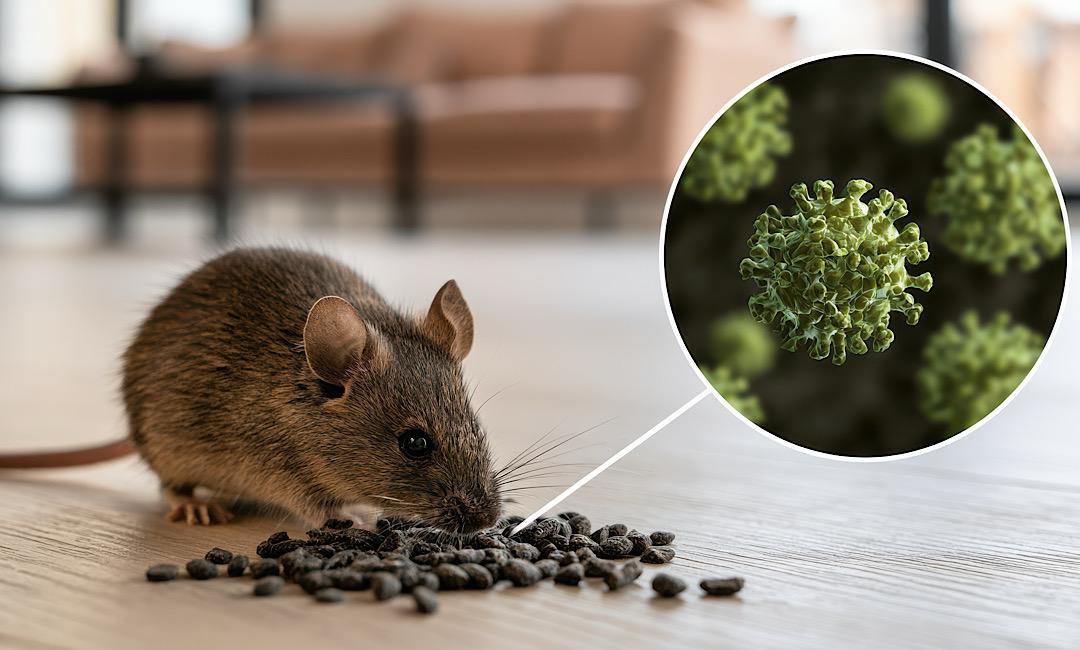
Late-summer rodent activity is real in the Lowcountry—catching it early saves stress, mess, and repairs.
Homes in Mount Pleasant and the greater Charleston area often provide everything rats and mice want: warmth, moisture, and easy access to food. When the first scratching sounds or a few droppings show up, it’s tempting to wait and see—but rodents don’t “visit” for long. They explore, nest, and expand quickly once they find a safe route into attics, kitchens, garages, and crawl spaces. This guide covers the most common warning signs of rodent activity in Mt. Pleasant, SC, how to confirm what you’re seeing, and practical next steps to prevent a small issue from turning into a recurring infestation.
Primary keyword focus
If you searched for “signs of rodent infestation Mt Pleasant SC”, you’re likely seeing early clues—sounds at night, droppings, or chewed packaging. The goal is simple: identify the signs, locate likely entry points, and act quickly with a plan that includes inspection, exclusion, and monitoring.
Why rodents show up in Mount Pleasant & Charleston homes
Coastal humidity, mild winters, and abundant landscaping create ideal conditions for rodents to thrive. In the Lowcountry, homeowners commonly encounter house mice as well as rats that may prefer different parts of the structure (ground-level nesting vs. attic/roofline activity). Beyond the nuisance factor, rodents can contaminate food areas, damage insulation and wiring, and leave behind urine and droppings that raise health concerns. Public health guidance consistently emphasizes that the most reliable approach is preventing rodents from living in and around the home by removing food access and sealing entry routes.
The most common signs of a rodent infestation (what they look like in real life)
1) Droppings in consistent “travel zones”
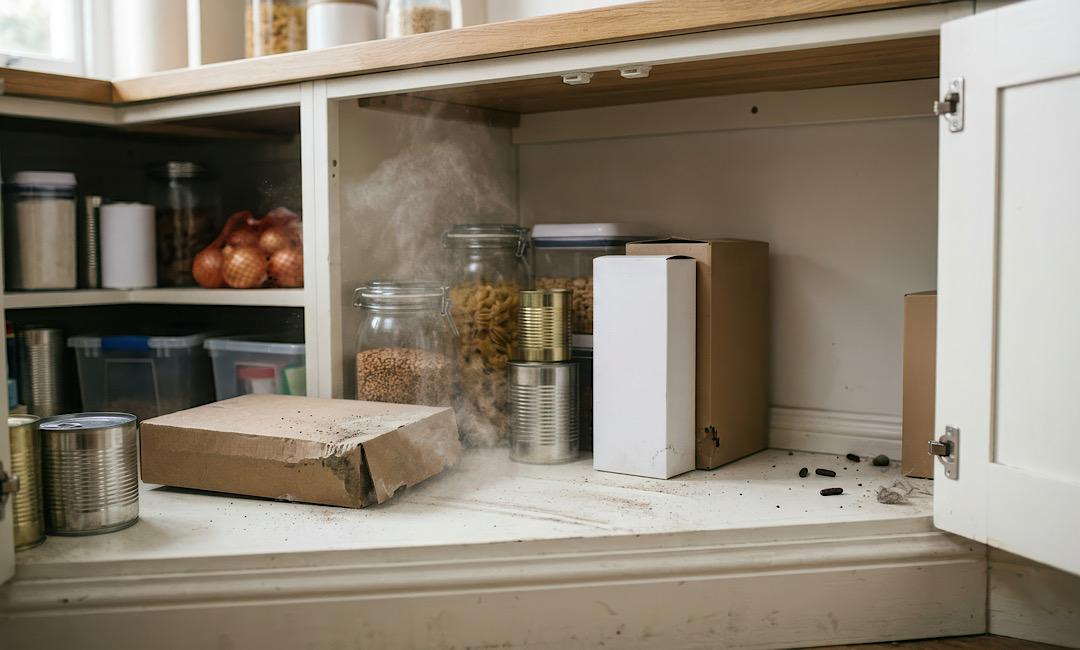
Droppings are one of the clearest indicators of rodent activity—often found along walls, inside cabinets, under sinks, near pet food, behind appliances, in garages, and in attic corners. A few isolated droppings can mean scouting activity; repeated droppings in the same area usually means a route is established and the problem is active.
2) Gnaw marks (and shredded material)
Rodents gnaw to keep their teeth worn down. Look for tooth marks on pantry goods, cardboard, plastic bins, insulation, or even around pipe penetrations. Shredded paper, fabric, and insulation can be used to build nests—especially in quiet, undisturbed areas like attic eaves or crawl spaces.
3) Scratching, scurrying, or “ticking” noises at night
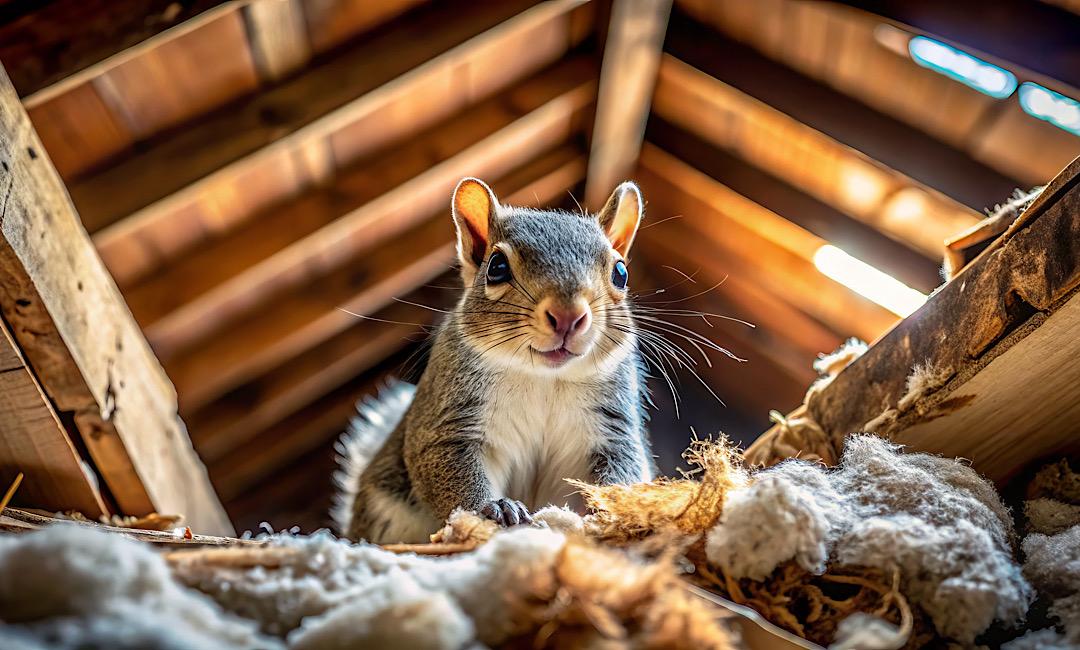
Many homeowners in Mt. Pleasant first notice rodents by sound—often shortly after sunset or before sunrise. Attic activity can sound like light running or scraping; wall void activity can sound like intermittent tapping or movement between studs.
4) Rub marks and greasy “runways”
When rodents repeatedly travel along the same edge, they can leave darker rub marks on baseboards, corners, joists, or around small openings. These marks often appear near consistent paths between food and shelter.
5) Pet behavior changes
Dogs and cats frequently alert homeowners before visible evidence appears—staring at a stove, pawing at a wall, sniffing under a cabinet, or fixating on a closet/attic access. It’s not proof by itself, but it’s a strong reason to inspect.
Quick reference: Signs, what they suggest, and where to look first
| Sign | What it usually means | Most common places to check |
|---|---|---|
| Droppings | Active route; possibly nesting nearby | Under sinks, pantry corners, behind fridge/stove, garage edges |
| Chew marks / shredded material | Feeding and nest building | Stored items, insulation, crawl spaces, attic corners |
| Noises at night | Rodents moving between nest and food | Attic, wall voids, overhangs, crawl space |
| Rub marks | Heavy traffic along the same path | Baseboards, joists, entry holes, garage door edges |
| Pet alerting | Possible activity in a hidden void | Behind appliances, cabinets, closets, attic access points |
Step-by-step: How to confirm rodent activity without making the problem worse
Step 1: Do a “perimeter-first” walkaround
Start outside before you move things indoors. Check around hose bibs, AC line penetrations, dryer vents, crawl space vents/doors, garage corners, and where utility lines enter the home. Rodents often establish access points outside first, then move indoors.
Step 2: Check the “quiet zones” inside
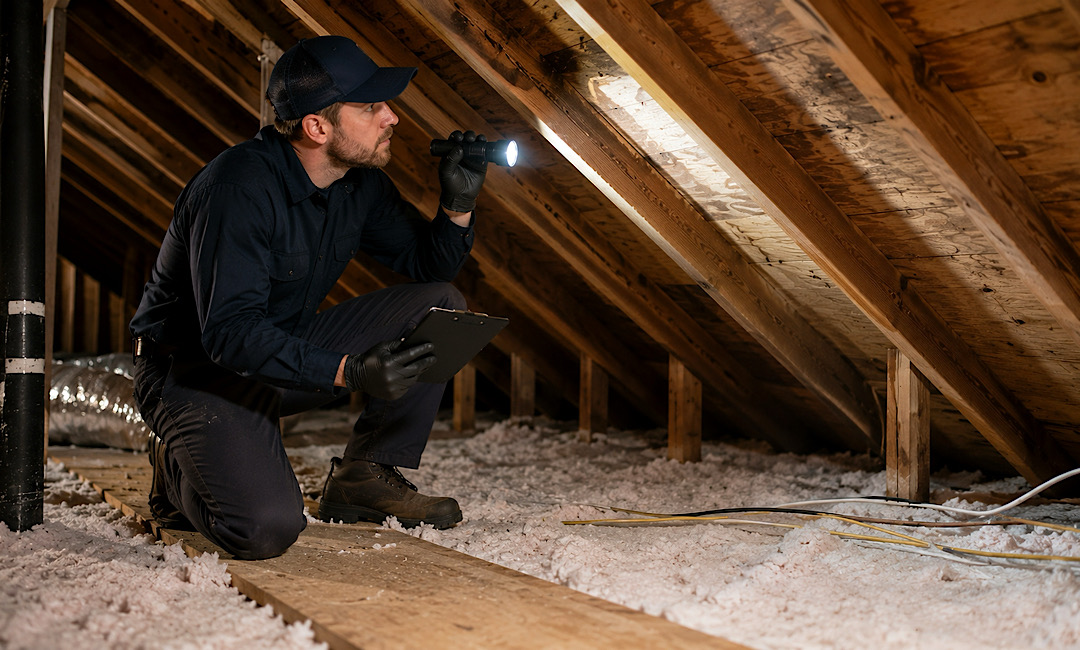
Focus on areas that people rarely disturb: behind the refrigerator, under the kitchen sink, garage storage edges, attic insulation near eaves, and crawl space corners. Use a flashlight and look along edges—rodents prefer traveling tight to walls.
Step 3: Identify likely entry gaps (size matters)
A key detail many homeowners miss: rodents can squeeze through very small openings. If you can fit a finger into a gap, treat it as suspicious. Many pest prevention resources note that young mice can fit through openings around 1/4 inch, and rats can enter through openings around 1/2 inch. Sealing the right gaps is one of the most important parts of lasting control.
Step 4: Don’t skip safe cleanup practices
Rodent droppings and urine can carry germs. Avoid dry sweeping that can stir dust into the air. Use gloves and follow conservative sanitation practices, especially when cleaning enclosed areas like cabinets, attics, or crawl spaces.
Did you know? Quick rodent facts that matter for prevention
Droppings and gnaw marks are two of the most reliable signs of rodent presence noted by public health and environmental agencies.
Exclusion is foundational: trapping can reduce activity, but if entry points remain open, rodents often return.
Small gaps create big problems: openings around utility lines, doors, and vents are among the most common entry points.
What a professional rodent inspection typically includes
A thorough inspection is more than “set a few traps.” For long-term results, a professional plan usually combines:
• Activity mapping: where droppings, rub marks, and noises indicate the strongest routes.
• Entry-point discovery: identifying gaps at foundations, rooflines, doors, and penetrations.
• Exclusion recommendations: sealing with rodent-resistant materials and improving door sweeps/vent protection.
• Trapping and monitoring strategy: placing devices where they’re effective and safe for households.
• Sanitation and habitat changes: reducing attractants (food, water, clutter) that keep rodents nearby.
Lowcountry tip: Crawl spaces are a frequent “hidden highway” for rodents in coastal homes. If moisture and humidity are high, pests and odor issues can compound. If your crawl space has damp soil, torn vapor barrier, or visible organic debris, it may be time to consider moisture control and sealing strategies.
Local angle: Rodent concerns in the Charleston-area communities
Rodent pressure isn’t limited to one neighborhood—activity can show up anywhere food, shelter, and entry points exist. Homeowners across Mount Pleasant, Charleston, Isle of Palms, Sullivan’s Island, Daniel Island, James Island, Johns Island, West Ashley, North Charleston, Summerville, and Goose Creek often see similar patterns: rodents moving along fences and vegetation lines, nesting near stored items, and entering through small gaps around doors, vents, and utilities.
If you’re hearing noises in the attic, noticing droppings in the garage, or seeing chew marks near stored food, it’s smart to schedule an inspection before activity spreads into wall voids and insulation.
Need a rodent inspection in Mt. Pleasant or Charleston?
Lowcountry Pest Management is family-owned with decades of local experience. If you’re seeing early signs—droppings, scratching sounds, or chewed materials—an inspection can identify entry points and help stop the problem before it escalates.
Request an Inspection
Related services that often support long-term prevention: Rodent Control, Crawl Space Encapsulation, and General Pest Control.
FAQ: Rodent infestation questions Mt. Pleasant homeowners ask
How do I know if it’s mice or rats?
Size and location clues help. Smaller droppings and activity in cabinets may indicate mice, while heavier noises, larger droppings, and strong rub marks in garages/crawl spaces can suggest rats. A professional inspection can confirm the species and the best control approach.
If I only saw a few droppings, do I still need to act?
Yes—early evidence often means scouting or a small, active route. It’s much easier to solve the problem when activity is limited and before nesting expands into insulation or wall voids.
Where are the most common entry points?
Frequent entry points include gaps under exterior doors/garage doors, dryer vents, crawl space doors and vents, roofline gaps, and openings around plumbing and HVAC lines.
Will traps fix a rodent problem permanently?
Traps can reduce activity, but lasting control usually depends on exclusion (sealing entry points) plus sanitation and monitoring. If access points remain open, new rodents can replace the ones removed.
Does a damp crawl space attract rodents?
Moist, cluttered crawl spaces can support pest activity by providing cover and easier travel routes. Moisture control (like a proper vapor barrier and sealing strategies) can help reduce conditions that support recurring pest pressure.
Glossary (plain-English definitions)
Exclusion
Physically sealing and reinforcing openings so rodents can’t enter (often the most important step for long-term control).
Rub marks
Dark smudges left behind when rodents repeatedly brush along walls, beams, or edges on their travel routes.
Monitoring
Ongoing checking (and adjusting) of traps, bait stations where appropriate, and activity indicators to ensure the issue is actually resolved—not just temporarily reduced.
Want a second opinion on what you’re seeing? Use our contact page to request an inspection, and consider checking your home’s higher-risk areas first (attic access, kitchen plumbing penetrations, garage corners, and crawl space).