
Why summer clutter + storm sheltering can suddenly turn into rodent activity
If you’re a Mount Pleasant homeowner with a garage, shed, boat storage, or a packed corner of seasonal gear, summer can bring a predictable pattern: rodents follow easy shelter, nesting material, and “accidental snacks.” Add Lowcountry weather swings and storm prep (bins, tarps, stacked boxes), and you can end up with chewing, droppings, and contamination—often before you ever see the animal. This guide is a straightforward, eco-conscious prevention plan that helps you decide what to handle yourself and when to call a local rodent control service near me in Mt Pleasant, SC for professional exclusion and trapping.
What “rodent activity” really looks like (and why it matters)
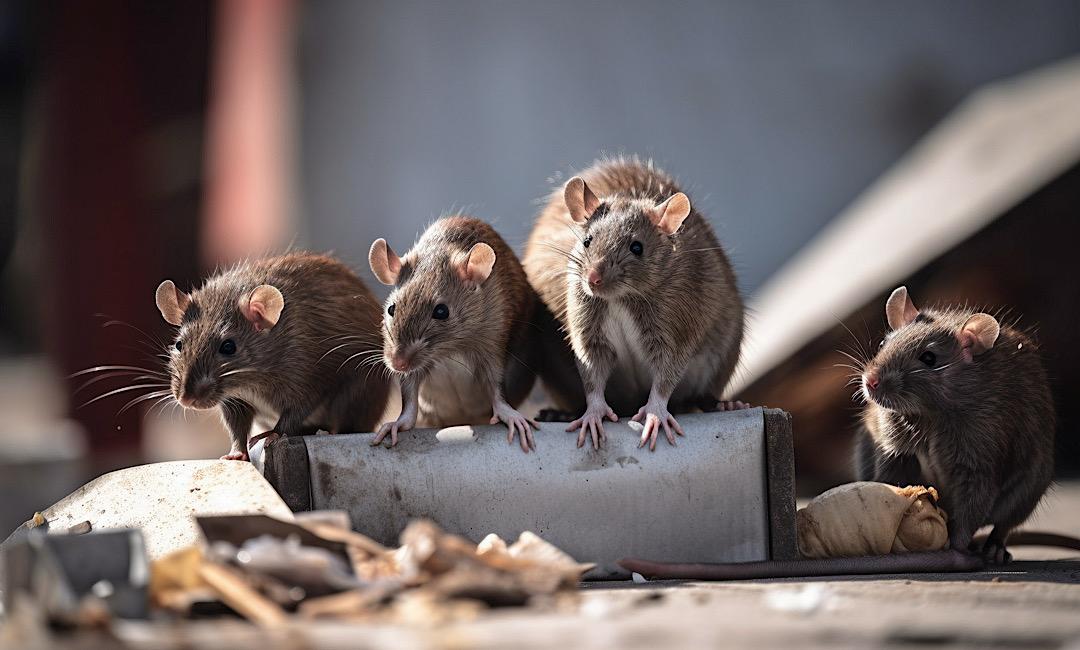
In the Charleston–Mount Pleasant area, the most common household culprits are typically mice and rats that exploit tiny gaps around doors, utility lines, soffits, crawl spaces, and garages. Rodents don’t just “visit”—they can chew wiring, shred insulation, ruin stored items, and contaminate surfaces with urine and droppings. Health risk is also real: you can’t tell if a rodent carries disease just by looking at it, and contact with rodents or their waste can spread illness.
Quick symptom checklist (garage/shed-focused):
- Droppings near walls, behind stored bins, or under shelving
- Greasy rub marks along baseboards, rafters, or pipes
- Chewed corners on cardboard, feed bags, pool chemicals, or boat supplies
- Shredded paper/insulation (nesting)
- Scratching sounds at night (attic, wall voids, garage ceiling)
The Lowcountry rodent loop: why garages and storage areas are “ground zero”
Summer is prime time for garage chaos—sports gear, storm supplies, extra pet food, seed, bird feed, grills, coolers, and cardboard moving boxes. To a rodent, that’s food + nesting + cover. Stormy weather can push rodents to seek drier, calmer spaces, and the garage is often the easiest first stop before they migrate into wall voids, attics, or crawl spaces.
| Area | Why rodents like it | What to do first |
|---|---|---|
| Garage | Food smells, clutter, door gaps, wall penetrations | Door seal check + remove food sources + set monitoring traps |
| Shed / boat storage | Quiet, rarely disturbed, nesting material | Elevate storage + seal corners/vents with mesh |
| Attic | Warm, hidden, insulation for nesting | Inspect soffits/roofline entry points; professional exclusion is often best |
| Crawl space | Moisture, cover, access to plumbing penetrations | Seal vents/penetrations; consider moisture control/encapsulation |
Step-by-step: a rodent prevention plan that actually holds up
A strong plan follows Integrated Pest Management (IPM) principles: prevent access, remove food/shelter, and monitor/trap—with chemicals as a last resort. The EPA recommends starting with straightforward prevention methods before escalating.
1) Do a 15-minute “gap hunt” (garage-first)
Walk the perimeter of your garage (inside and out). Look at corners, the bottom of roll-up doors, service doors, and where pipes/cables enter the wall. Pay special attention to garage door corners and side tracks—these are common failure points.
2) Seal with the right materials (not “whatever foam is handy”)
Rodents can gnaw through many soft fillers. For durability, use chew-resistant materials:
- 1/4″ hardware cloth for many openings/vents and to exclude mice; 1/2″ mesh is commonly referenced for excluding rats in construction-style applications.
- Copper or stainless mesh packed into small gaps, then sealed over with quality caulk or patch material.
- Door sweeps / rodent-proof seals for service doors and garage-side entry doors.
If you use steel wool, it’s typically best as part of a system (packed + sealed), not a standalone plug.
3) Declutter for inspection access (you can keep your stuff—just change how it’s stored)
Move boxes and stored items 6–12 inches off the wall so you can see droppings, gnawing, and rub marks. Switch from cardboard to lidded plastic totes when possible. Keep tarps, paper, and spare insulation off the floor—those are top-tier nesting materials.
4) Remove “hidden food” in garages and sheds
The usual surprises: bird seed, grass seed, pet food, treats, compostables, snack wrappers in beach bags, and even grease drips near grills. Store anything edible in sealed, hard-sided containers and clean up spills promptly.
5) Use trapping and monitoring strategically (and safely)
Trapping is a key IPM tool. If you’re DIY-ing, place traps along walls where rodents travel (not in the open center of the room). Keep traps away from kids and pets. If you’re seeing repeated activity after sealing and sanitation, that’s a strong sign you need a professional inspection to find the entry points you can’t see.
Did you know? (Fast facts homeowners miss)
Rodents can carry disease without looking “sick.” The CDC notes you can’t tell by appearance whether a rodent is infected, and diseases can spread through direct contact or contact with contaminated areas.
Mesh size matters. For exclusion work, using the correct hardware cloth opening size improves long-term results—fine enough to keep mice out, strong enough to resist chewing.
Prevention first is not “doing nothing.” EPA guidance emphasizes starting with identification and prevention methods before escalating to heavier interventions.
Local angle: rodent control for Mount Pleasant and nearby towns
Homes across the coastal corridor—Mount Pleasant, Charleston, Isle of Palms, Sullivan’s Island, Daniel Island, James Island, Johns Island, North Charleston, and Summerville—share a similar reality: humid weather, dense neighborhoods, and plenty of sheltered storage areas. If your garage backs up to tree lines, marsh edges, or you frequently keep doors open for projects, you’ll want to prioritize door seals and exterior gap control.
When it’s time to call a pro:
- You’re hearing movement in walls/attic
- Droppings keep returning after cleanup
- You’ve sealed obvious gaps but activity continues
- You suspect multiple entry points (roofline, crawl space, garage)
Get help from Lowcountry Pest Management
If you’re searching for a dependable rodent control service near me in Mt Pleasant, SC, Lowcountry Pest Management offers experienced inspection, trapping, and exclusion-focused prevention tailored to Lowcountry homes—especially garages, sheds, attics, and crawl spaces.
FAQ: Rodent control in Mount Pleasant, SC
What’s the fastest DIY step if I saw droppings in the garage?
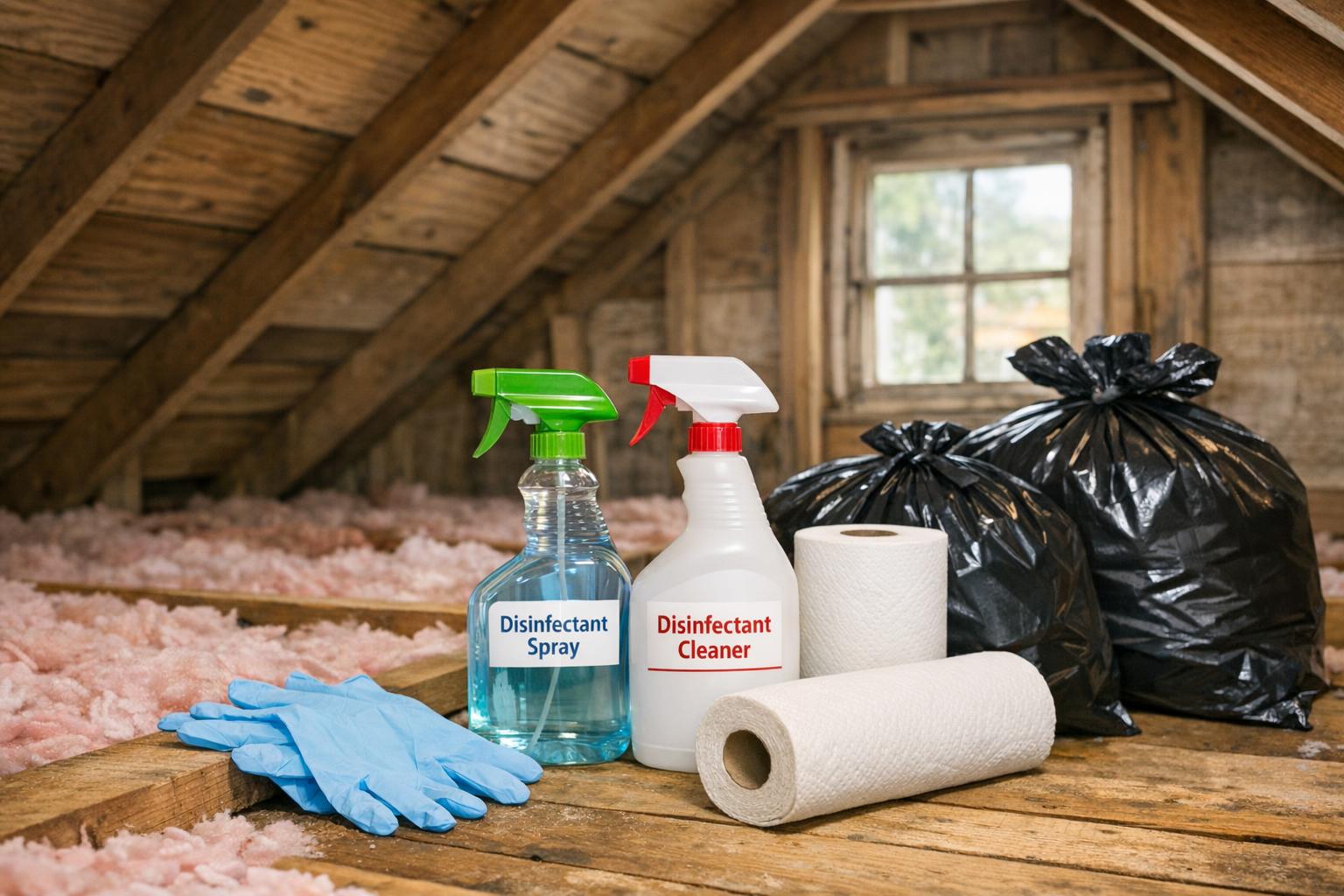
Start with a quick safety-first cleanup plan and immediate prevention: remove accessible food sources, reduce clutter against walls, and inspect door corners and utility penetrations for gaps. Then set monitoring traps along walls. If you see fresh droppings again within a few days, you likely have an entry point that needs professional-grade exclusion.
How small of a gap can rodents use?
Small gaps can be enough—especially around garage doors, side door thresholds, and pipe penetrations. A good rule for homeowners is to treat any visible gap at door edges, corners, and around lines as “big enough to investigate,” then seal using chew-resistant materials (mesh, hardware cloth, metal flashing) instead of soft fillers alone.
Should I use bait in my garage if I have kids or pets?
Many families prefer to start with exclusion, sanitation, and tamper-resistant trapping/monitoring. If bait is considered, it should be done with strict safety controls and the right placement. A local professional can recommend the safest approach for your specific layout and risk factors.
Why do rodents keep coming back even after I catch one?
Recurring activity usually means one (or more) of these is still true: an entry point is open, an attractant remains (food, nesting material), or there’s an undisturbed harbor area (cluttered corners, stored cardboard, hidden voids). Long-term control is almost always an exclusion + cleanup + monitoring combination.
Can crawl space issues make rodent problems worse?
Yes. Moisture and easy access points can make crawl spaces attractive. If you’re seeing repeated rodent signs around plumbing penetrations or vents, addressing the crawl space can be a big part of prevention. If needed, explore moisture management options like crawl space encapsulation.
Glossary (helpful terms for rodent prevention)
Exclusion
Physically blocking rodents from entering by sealing gaps, screening openings, and reinforcing vulnerable areas (doors, vents, utility penetrations).
Physically blocking rodents from entering by sealing gaps, screening openings, and reinforcing vulnerable areas (doors, vents, utility penetrations).
Hardware cloth
A strong wire mesh used to cover and reinforce openings. Common rodent exclusion meshes include 1/4″ (often used to help block mice) and larger gauges for specific applications.
A strong wire mesh used to cover and reinforce openings. Common rodent exclusion meshes include 1/4″ (often used to help block mice) and larger gauges for specific applications.
IPM (Integrated Pest Management)
A prevention-first approach that focuses on identifying pests, removing what attracts them, sealing entry points, and using targeted control methods (like trapping) with safety in mind.
A prevention-first approach that focuses on identifying pests, removing what attracts them, sealing entry points, and using targeted control methods (like trapping) with safety in mind.
Harborage
A protected place where rodents hide or nest—commonly cluttered storage corners, stacked cardboard, or quiet voids in walls, attics, and sheds.
A protected place where rodents hide or nest—commonly cluttered storage corners, stacked cardboard, or quiet voids in walls, attics, and sheds.
Want a second set of eyes on your garage, attic, crawl space, or exterior gaps? Schedule an inspection with Lowcountry Pest Management—local, family-owned, and experienced with the pest pressures unique to Mount Pleasant and the Charleston area.