Mosquito Treatment in Mount Pleasant, SC: What Works in Lowcountry Yards (and What Doesn’t)

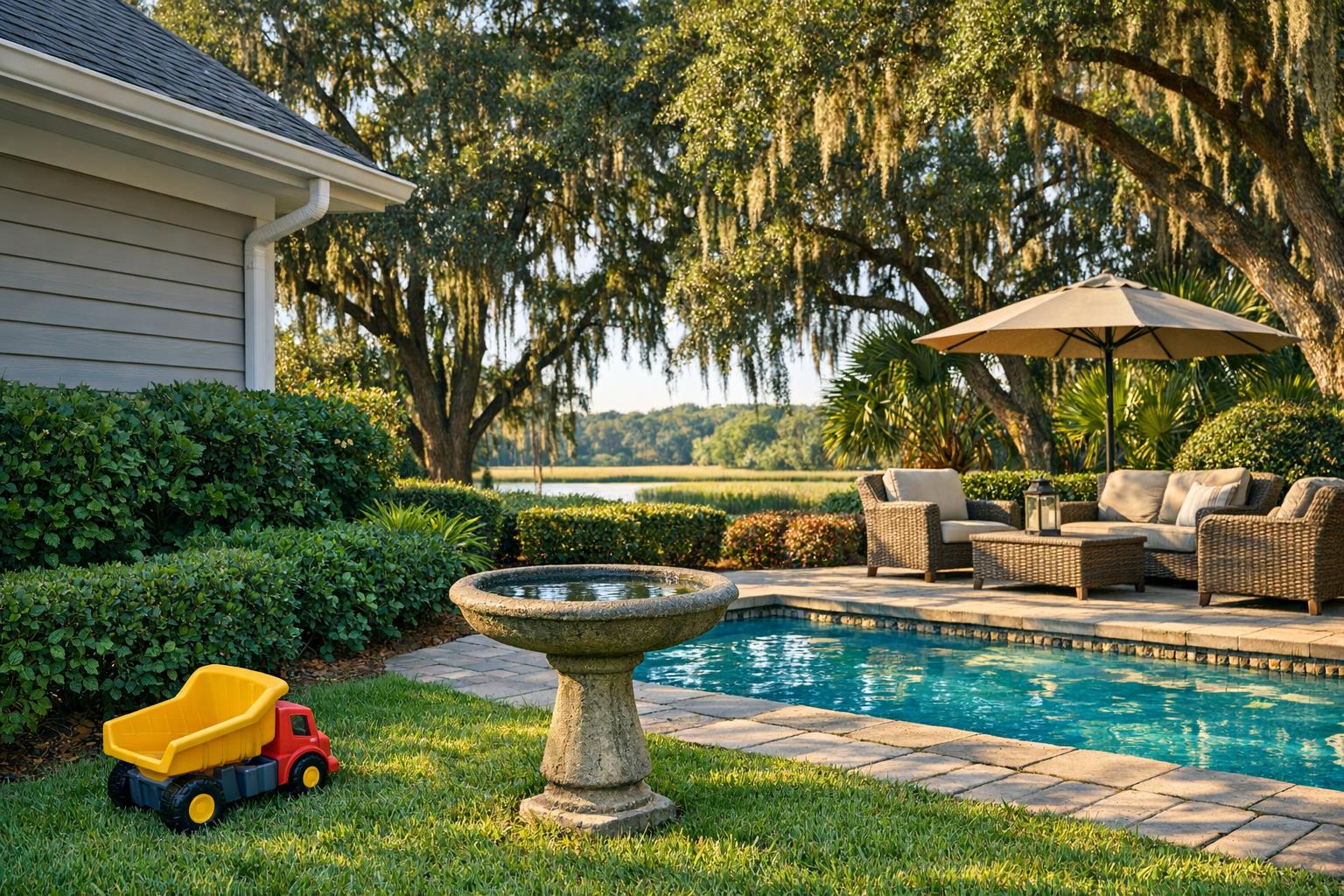
Well-maintained backyard in Mount Pleasant, SC with trimmed shrubs, clean patio, and common mosquito breeding spots like birdbaths and gutters, illustrating effective mosquito control practices

A practical plan for fewer bites—without turning your backyard into a science project

In Mount Pleasant and the greater Charleston area, mosquitoes aren’t just a nuisance—they can make patios, pools, and evening cookouts feel off-limits for months at a time. The Lowcountry’s humidity, frequent rain patterns, tidal influences, and dense landscaping can create “perfect storm” conditions for mosquito breeding and resting.

If you’ve been searching for “mosquito treatment near me Mt Pleasant SC”, this guide breaks down what actually drives mosquito pressure here, which treatments and habits make the biggest difference, and how to set up a monthly approach that keeps outdoor living comfortable again.

Why mosquitoes thrive in the Lowcountry

Most yard infestations come down to two things: breeding water and resting habitat. Mosquitoes need water for their early life stages (egg → larva → pupa), and they prefer shaded, humid places to hide during the day. The Centers for Disease Control and Prevention (CDC) emphasizes that removing standing water and limiting mosquito habitat around the home are core steps for reducing populations. 

In neighborhoods across Mount Pleasant—especially where irrigation, lush plantings, and seasonal rain intersect—mosquitoes can breed in surprisingly small amounts of water. South Carolina’s public health guidance also stresses standing water removal as a key prevention step. 

Common “hidden” breeding spots in Mount Pleasant yards

  • Clogged gutters and downspout splash blocks holding water
  • Flower pot saucers, kid toys, tarps, grill covers, and pool cover folds
  • Birdbaths and pet bowls that aren’t refreshed often
  • Irrigation puddling in low spots near patios and pool decks
  • Bromeliads and other plants that naturally hold water
  • Stored tires and containers that collect rainwater (state guidance highlights tires as a frequent issue)

Mosquito control that actually makes a difference: IPM for your yard

The most reliable results come from an Integrated Pest Management (IPM) approach—meaning you combine habitat reduction, targeted treatments, and ongoing monitoring. This matters in coastal South Carolina because mosquitoes can reappear quickly after rainfall or when conditions shift.

Think of it like a 3-layer system:

Layer What it targets Examples Why it matters in Mount Pleasant
Source reduction Stops breeding Dumping/refreshing water, clearing gutters, fixing puddling Mosquitoes breed in standing water; removing it breaks the cycle. (cdc.gov)
Larval control Kills larvae before they become biting adults Treating non-drainable water features with appropriate products (where allowed/needed) Useful when you have areas you can’t easily drain (certain water features)
Adult mosquito control Reduces biting pressure fast Barrier-style applications to vegetation and shaded harborage zones; recurring service during peak months Lowcountry landscaping creates lots of shade + humidity where adults rest

Did you know? Quick mosquito facts that matter for your treatment plan

  • Mosquitoes can breed in very small amounts of standing water, so weekly checks are more effective than “big cleanups” once a month. 
  • Some common species are day-biters (not just dusk), which is why people still get hit while gardening or by the pool in the afternoon. 
  • After heavy rain or flooding, mosquito numbers can spike—state health messaging often emphasizes standing-water removal after storm events. 

Step-by-step: How to “prep” your yard so mosquito treatments work better

Monthly mosquito service is most effective when the property is set up to support it. Use this checklist to tighten up problem spots that keep re-seeding mosquito pressure.

1) Do a 10-minute “standing water sweep” every week

Walk the property and tip, toss, or drain anything that can hold water. Refresh birdbaths and pet bowls. Clear toys and small containers after storms. This aligns with CDC and South Carolina public health recommendations focused on eliminating breeding areas. 

2) Reduce mosquito “rest stops” near people zones

Mosquitoes like cool, shaded, humid areas. Trim back dense shrubs around seating areas, keep grass from getting overly tall, and open airflow around patios. If you have a heavily shaded corner near a deck, that area often becomes a daytime harborage spot where adults wait to bite.

3) Tighten up screens and entry points

If mosquitoes are getting indoors, repair window/door screens and check screen porches. The CDC notes that repairing screens and reducing entry points helps reduce indoor mosquito issues. 

4) Don’t rely on “one gadget” to fix a yard-wide problem

Yard pressure in Mount Pleasant is usually bigger than a single device can handle—especially after rain. A good plan combines cleanup, targeted yard treatment, and bite prevention when you’re outside (repellent + timing + clothing). EPA and CDC guidance both reinforce repellents and layered prevention as practical personal protection. 

Local angle: Mount Pleasant + surrounding towns where mosquito pressure is common

Mosquito activity is a frequent complaint throughout the coastal corridor because conditions that support breeding and resting can show up anywhere—especially in established neighborhoods with mature landscaping and regular irrigation.

Lowcountry Pest Management helps homeowners across Mount Pleasant and nearby communities like Charleston, Daniel Island, Sullivan’s Island, Isle of Palms, James Island, West Ashley, North Charleston, Hanahan, and Goose Creek. If you’re near marsh views, retention ponds, shaded tree lines, or frequently watered lawns, recurring mosquito control is often the difference between “a few bites” and “we can’t use the backyard.”
A quick note on expectations

Mosquito control is about reducing populations and bites—not creating a mosquito-free bubble forever. The best outcomes typically come from: (1) recurring service during the warm season, (2) consistent standing-water checks, and (3) focusing treatments where mosquitoes rest (shaded vegetation and humid harborage zones).

Ready for a backyard that’s comfortable again?

Lowcountry Pest Management provides recurring mosquito control designed for Mount Pleasant and Charleston’s unique coastal conditions—so you can enjoy patios, pools, and evening time outside with fewer bites and less stress.

FAQ: Mosquito treatment in Mt. Pleasant, SC

How fast will I notice results after a mosquito treatment?

Many homeowners notice fewer mosquitoes relatively quickly, especially in the areas where mosquitoes rest (shaded vegetation and under-deck zones). Results depend on rain patterns, breeding sources, and whether standing water is being removed consistently.

Why do I still have mosquitoes if my neighbors don’t treat?

Mosquitoes can move between properties, and breeding sources may be on either side of a fence line. A recurring plan paired with weekly source reduction at your home (dumping standing water) helps reduce the “re-seeding” effect. 

What’s the #1 thing I can do between treatments?

Eliminate standing water. It’s the most consistent, homeowner-controlled way to reduce breeding around the property, and it’s strongly emphasized by CDC and South Carolina public health guidance. 

Do mosquito treatments replace personal bite protection?

They reduce pressure significantly, but personal protection can still matter—especially at peak times or right after heavy rain. EPA and CDC resources recommend using appropriate repellents and other bite-prevention habits when needed. 

Is monthly mosquito control worth it in the Charleston area?

For many outdoor-focused families, monthly service during the warm season is what keeps patios and pools usable. The Lowcountry tends to reintroduce mosquitoes quickly after rain, so recurring timing is often more effective than one-off treatments.

Glossary (helpful terms you’ll hear during mosquito service)

Source reduction: Removing or emptying standing water and reducing habitat so mosquitoes can’t breed or rest. 
Integrated Pest Management (IPM): A practical approach that combines prevention, monitoring, habitat changes, and targeted treatments—rather than relying on one method.
Harborage area: Shaded, protected spots where adult mosquitoes rest (dense shrubs, under decks, around crawl space vents).
Container-breeding mosquitoes: Mosquito species that commonly breed in small containers of water (like plant saucers, buckets, toys, and tires). 
Explore more local services: Pest ControlRodent ControlTermite ControlPest Library
Close-up of termites through magnifying glass on wood, highlighting pest control concept

Don’t Let Pests Take Over.

$15 OFF for New Customers!

Sign up for a one-year pest control plan and get $15 off your first quarter. Protect your home with expert pest control at a discounted rate!

Accessibility Toolbar