
Why garages in the Lowcountry become rodent hotspots
Summer in Mount Pleasant brings a familiar mix: boats and beach gear stacked high, hurricane supplies tucked into corners, and garage doors opening and closing all day. That “seasonal clutter” creates the exact conditions rats and mice prefer—hidden travel lanes, nesting materials, and easy access to pet food, bird seed, or pantry overflow. Add our warm, humid coastal climate and sudden storm-driven sheltering behavior, and garages across Mt. Pleasant and Charleston can become the first stop for unwanted rodent activity.
The goal: prevent a garage rat infestation before it starts
If you’re searching for garage rat infestation prevention in Mt Pleasant SC, the best strategy is simple (and very effective): remove food access, reduce hiding spots, and seal entry points. Rodents are persistent, but they’re also predictable—when the “three basics” (food, water, shelter) disappear, they move on.
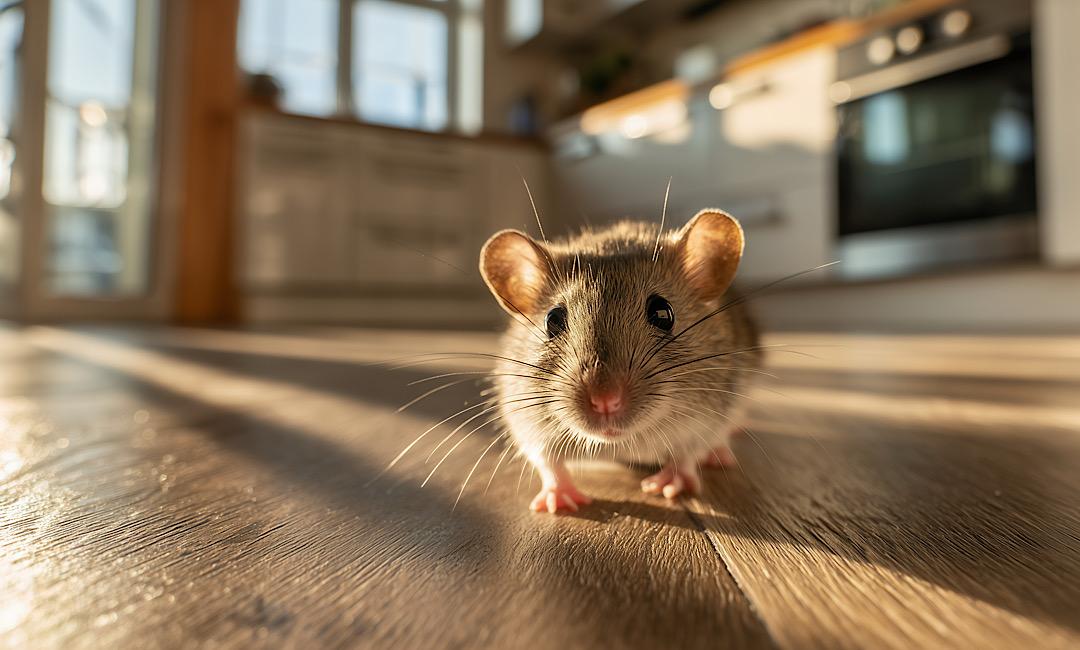
Common Lowcountry invaders: homeowners in South Carolina most often deal with roof rats, Norway rats, and house mice. Each behaves a bit differently, which is why a whole-garage approach works best.
Fast “tell-tale” signs you should never ignore
Use this short list to decide if you’re dealing with “one curious visitor” or an active problem:
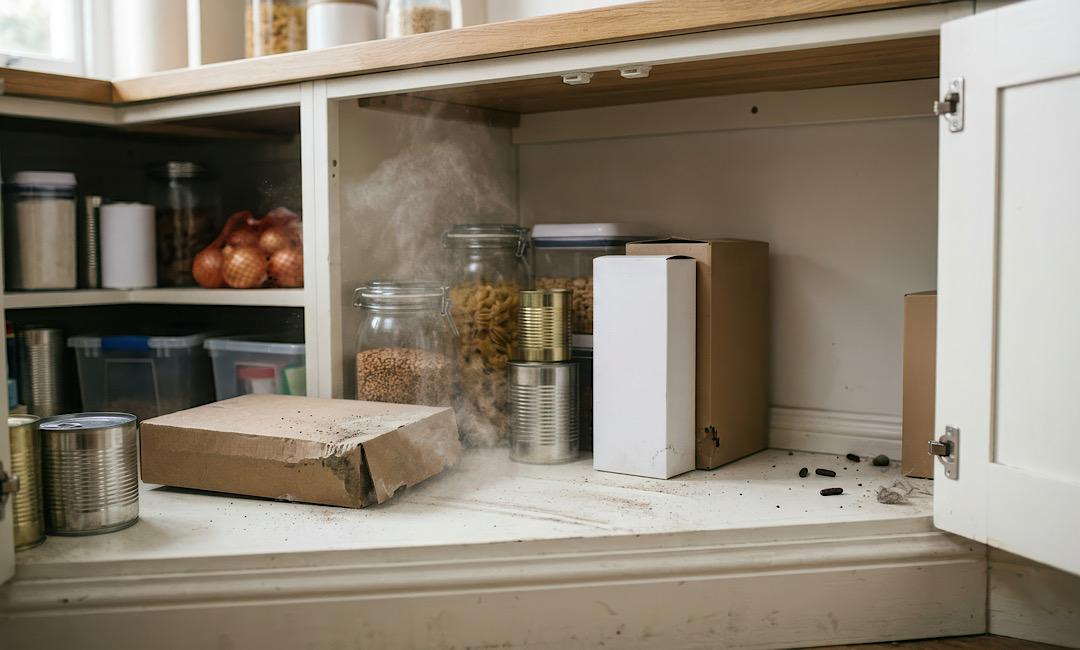
- Droppings near walls, behind storage, or by pet-food bins
- Gnaw marks on cardboard, plastic totes, wiring, or foam
- Shredded nesting material (insulation, paper, burlap, life jacket foam)
- Rub marks (dark smudges) along baseboards or garage corners
- Noises at dusk/night in ceiling voids, walls, or stored items
Your step-by-step garage rodent prevention checklist (built for summer + storms)
Work through these in order. The first three steps prevent most repeat issues we see around Mount Pleasant.
1) Reset storage so rodents can’t hide
- Replace cardboard with lidded plastic totes (cardboard is nesting + chewing heaven).
- Keep 12–18 inches of “inspection space” along garage walls so you can spot droppings and rub marks early.
- Get items off the floor using shelving—especially hurricane supplies, kids’ gear, and paper goods.
- Store boat cushions, life jackets, and floatation foam in sealed bins; rodents love shredding soft materials.
2) Cut off food sources (even “tiny” ones)
- Move bird seed, grass seed, and fertilizer into sealed containers.
- Don’t store pet food in the garage unless it’s in a hard, latching bin.
- Rinse recyclables; even residue can keep rodents coming back.
- Pick up fallen fruit in the yard—roof rats are especially drawn to it.
3) Seal the “easy” entry points first
Focus on gaps you can fix in a weekend:
- Garage door seal: daylight under the door = rodent access. Replace worn bottom seals and side weatherstripping.
- Corner trim + door frame gaps: seal with appropriate materials (professionals often combine metal flashing/mesh with sealants so it can’t be chewed).
- Utility penetrations: around AC lines, plumbing, and cable entries—these are common “highway” routes into garages.
A quick note on safety when you find droppings
If you discover droppings or nesting material, avoid dry sweeping or vacuuming. Public health guidance recommends a “wet clean” approach to reduce the chance of stirring contaminated dust into the air—ventilate the space, wear gloves, spray disinfectant/bleach solution, let it soak, then wipe up.
What to do if you’ve already seen rats or mice
Prevention is best, but if activity is current, you’ll get faster results with a structured, short “knockdown” plan:
| Priority | Action | Why it matters in a garage |
|---|---|---|
| 1 | Confirm where activity is concentrated (droppings, rub marks, gnawing) | Garages often have multiple “zones”—walls, attic access, and stored items. Targeting saves time. |
| 2 | Trap in active travel lanes; keep bait/food secured | If food remains available, trapping is slower and reinfestation is common. |
| 3 | Seal entry points only after you’re confident you’re reducing activity | Sealing too early can leave rodents trapped inside walls/voids, creating odor and damage risks. |
| 4 | Sanitation + safe clean-up of droppings/nests | Reduces health risk and removes “scent trails” that can attract new rodents. |
If you’re unsure whether it’s rats or mice, that’s normal. A professional inspection can identify the species and the entry route, which is often the difference between a quick fix and a seasonal repeat.
Did you know? Quick rodent facts that matter for homeowners
Roof rats like higher routes
They’re often associated with upper areas (rafters, attics, and cluttered shelving), which is why garage organization matters.
Rodent clean-up is a health issue, not just a mess
CDC guidance emphasizes avoiding contact with rodent urine/droppings and using safe cleaning steps to reduce exposure risk.
Norway rats can breed year-round
When conditions are right, populations can build steadily—making early prevention a money-saver.
The Lowcountry angle: why summer clutter + storm prep changes rodent pressure
Along the coast, garages become “temporary storage hubs” for hurricane shutters, generators, sandbags, bottled water, and extra pantry items. Those supplies are smart to have—but they can unintentionally create long, protected runways behind stacks and shelving where rodents travel undisturbed. When storms approach, rodents also seek stable shelter, and garages are an easy transition space between the outdoors and your home’s wall voids or attic.
Serving around Mount Pleasant: these prevention steps are especially useful for homeowners in Charleston, Isle of Palms, Sullivan’s Island, Daniel Island, Awendaw, Goose Creek, Hanahan, James Island, Johns Island, and North Charleston, where seasonal humidity, dense vegetation, and storm cycles can increase pest pressure.
Pro tip: pair rodent prevention with moisture awareness
When garages and adjacent areas stay damp, insects increase—and rodents follow the food chain. If you’ve noticed musty odors, standing water near the foundation, or persistent humidity, it may be worth evaluating moisture control and under-home conditions as part of long-term prevention.
Learn about crawl space encapsulation and moisture control (helps reduce conditions that attract pests)
When to call a local rodent expert (and what to expect)
Consider professional help if you’ve trapped more than one rodent, found nesting material, or see recurring droppings even after you clean and reorganize. A thorough rodent service should focus on:
- Inspection (entry points, travel lanes, harborage zones)
- Targeted trapping (placed where rodents actually move)
- Exclusion recommendations (what to seal, how, and in what order)
- Prevention plan to reduce repeat activity during peak seasons
Want a garage inspection before it turns into a bigger problem?
Lowcountry Pest Management helps homeowners in Mount Pleasant and the surrounding Charleston area identify entry points, reduce rodent activity, and protect stored belongings—especially during summer clutter and storm season.
Schedule a Rodent Inspection
Same-day and emergency options may be available.
FAQ: Garage rat infestation prevention in Mt. Pleasant, SC
What attracts rats to my garage in Mount Pleasant?
The biggest drivers are food (pet food, bird seed, trash, residue on recyclables), shelter (cardboard, clutter, stacked supplies), and easy access (worn garage door seals, gaps around utilities). Summer storage and storm prep often increase all three at once.
Is it safe to sweep up rat or mouse droppings?
Dry sweeping or vacuuming can stir particles into the air. Health guidance recommends ventilating the area and using a disinfectant “wet method” before wiping up droppings and nesting materials.
Should I seal holes first or set traps first?
If you’re actively seeing rodents, start with securing food and setting traps in travel lanes, then seal entry points once activity drops. This reduces the chance of trapping rodents inside wall voids or garages.
I only saw one rat—do I really need to worry?
A single sighting can still indicate nearby nesting, especially if you also notice droppings or gnaw marks. Garages are often “staging areas” before rodents move into wall voids or attic spaces. Early prevention is far less costly than repairing chewed wiring or contaminated storage.
Can regular pest control help with rodents, or do I need a rodent-specific service?
Rodents typically require a rodent-specific approach: inspection, trapping, and exclusion guidance. If you want help beyond prevention tips, a dedicated rodent plan is usually the fastest path to lasting results.
Glossary (quick definitions)
Exclusion
A prevention method focused on sealing and reinforcing entry points so rodents can’t get inside (often combined with trapping during active issues).
Harborage
Protected hiding or nesting areas—like dense clutter, stacked cardboard, or unorganized shelving where rodents can live unnoticed.
Travel lanes
The regular paths rodents use, typically along walls and edges of stored items. Traps work best when placed in these lanes.
Wet cleaning method
A safer clean-up approach that uses disinfectant to soak droppings/nesting materials before wiping up, rather than sweeping/vacuuming dry material.
Looking for pest identification help beyond rodents? Visit our Pest Library for common Lowcountry pest info.