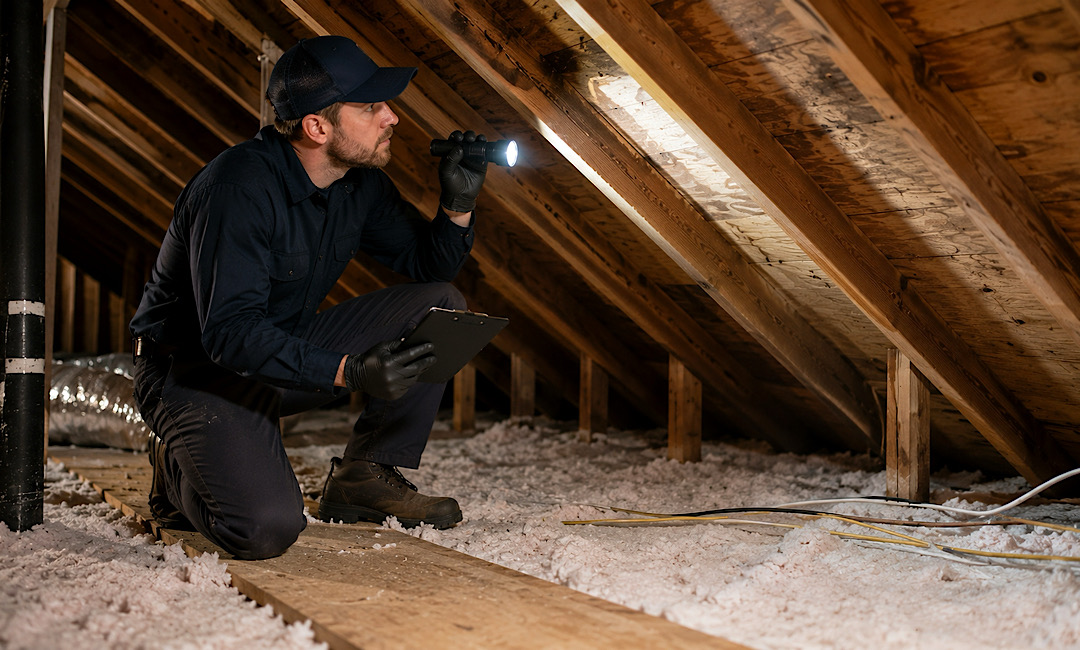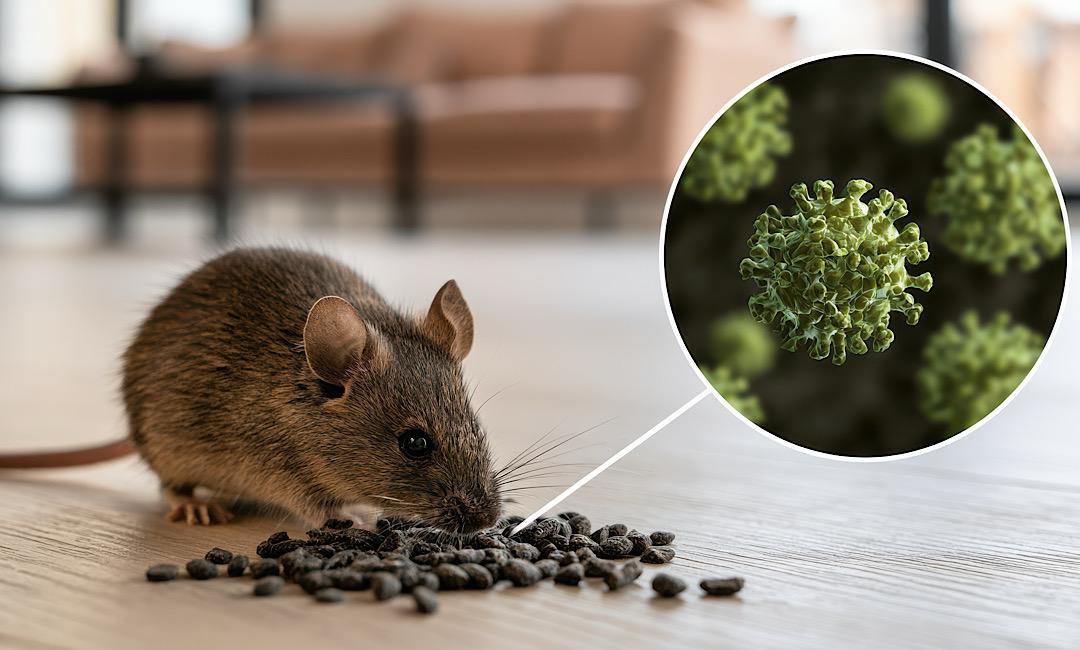
Most homeowners learn rodents are in the attic from a sound or a smell. The expensive discovery comes later: a dead outlet in a back bedroom, lights that dim when the AC starts, or a wire with the insulation stripped to bare copper. We have inspected Mount Pleasant and Charleston attics for more than 22 years, and the pattern is consistent. Rodents chew what sits on their travel routes, and in a Lowcountry attic that means electrical wiring, flex duct and the lines feeding the air handler.
Roof Rats Do Most of the Attic Damage
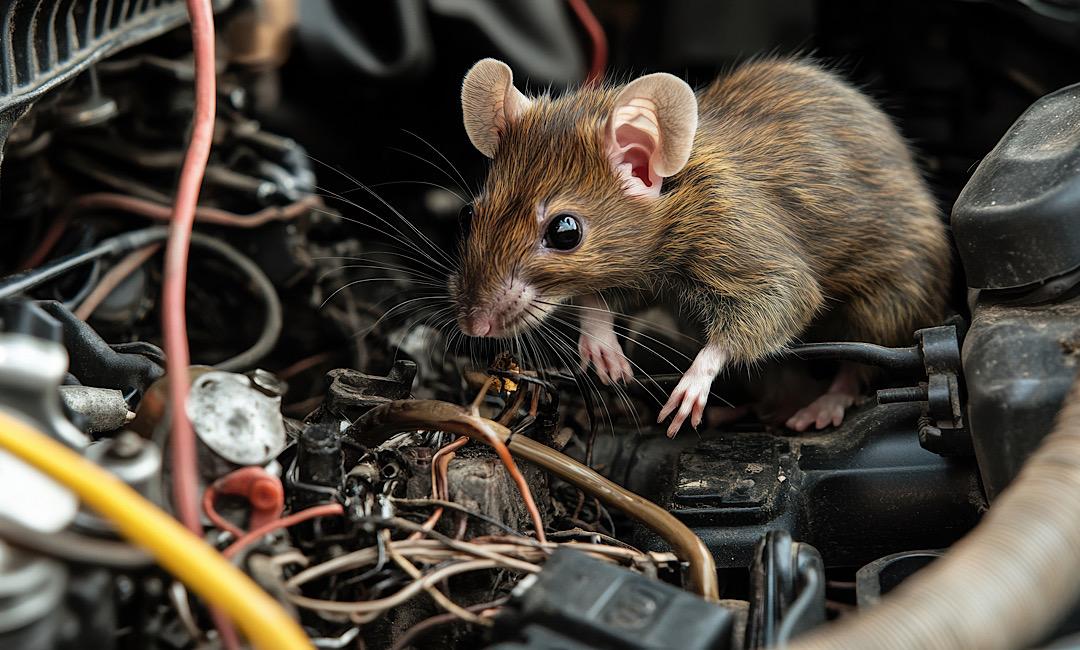
Rodent incisors grow continuously, so rats and mice gnaw constantly to keep them worn down. Wire insulation has the right texture, and wiring runs exactly where rodents travel: along joists, across top plates and through the holes builders drill for plumbing and cable.
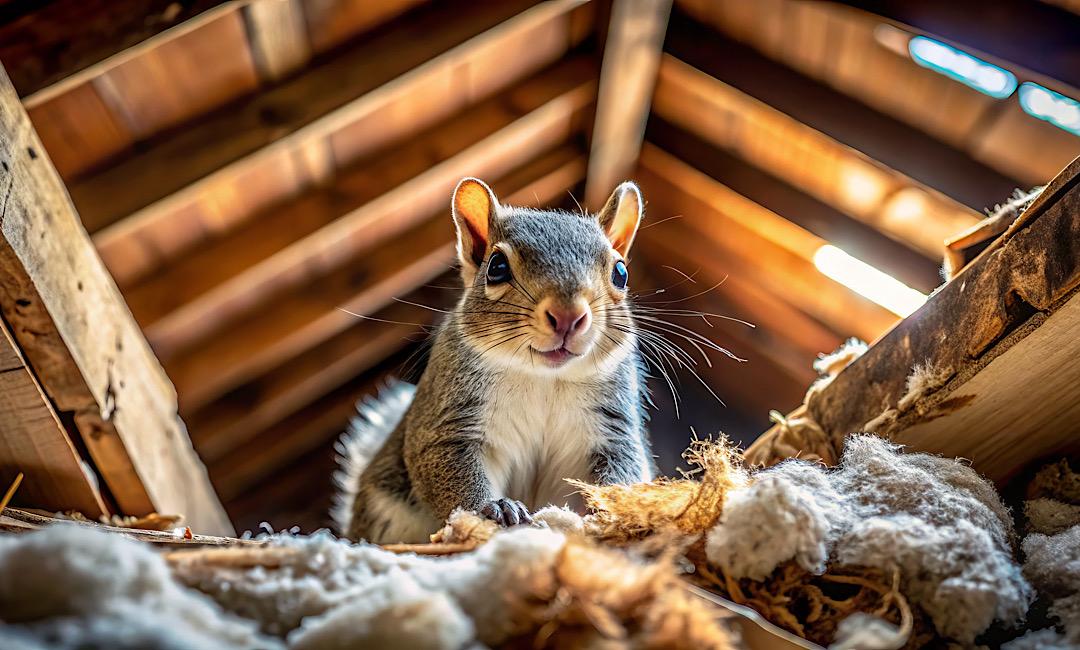
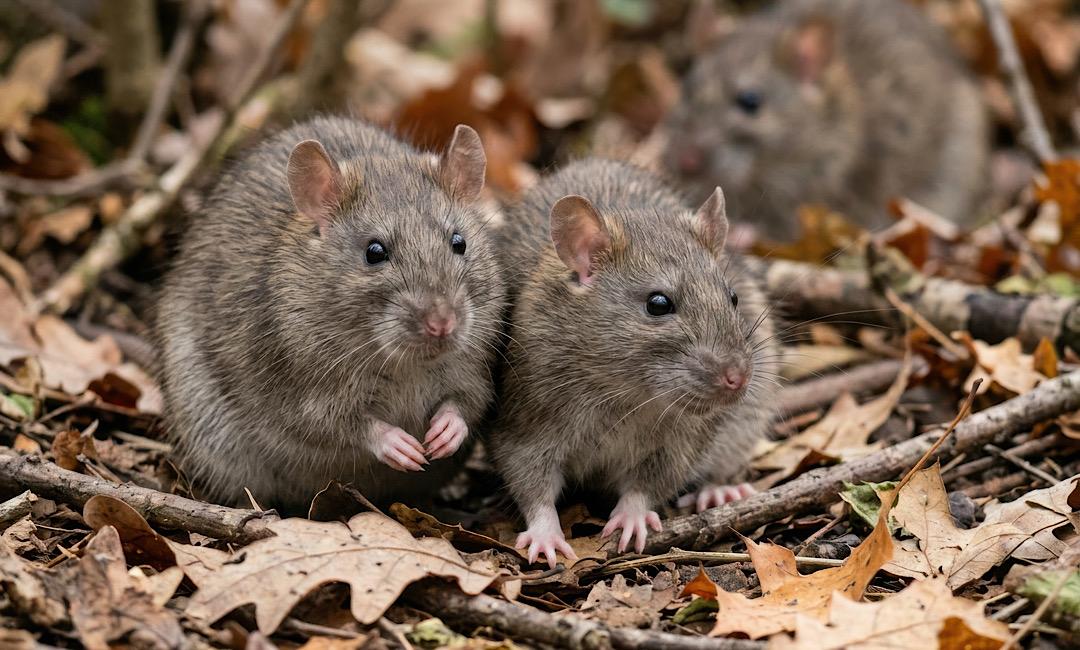
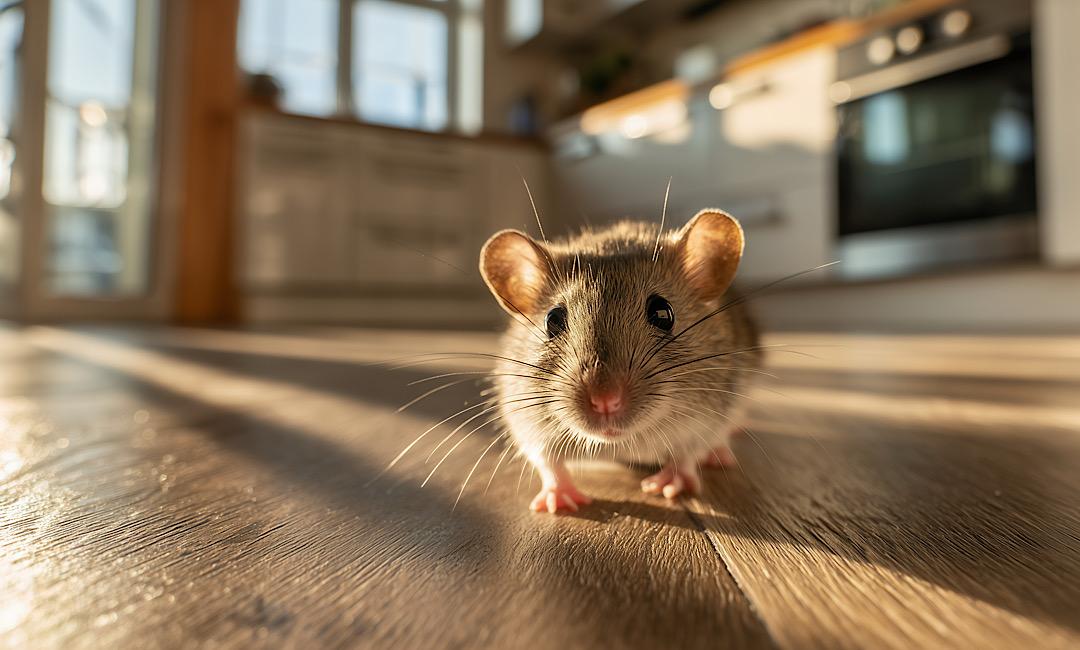
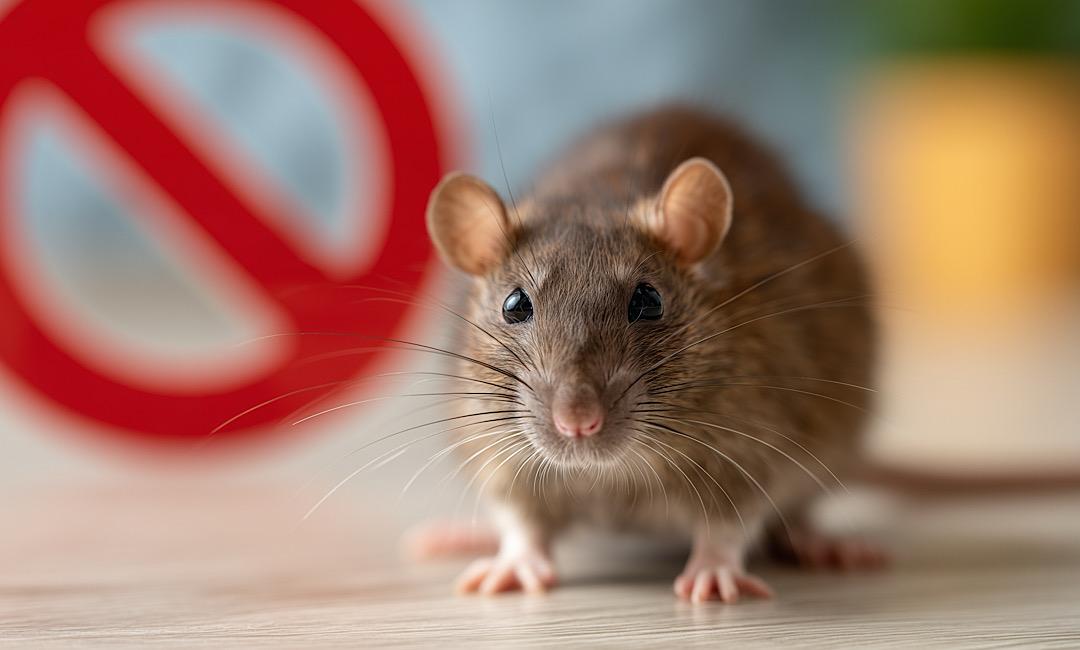
Roof rats (Rattus rattus) are the dominant rat on the South Carolina coast. They climb, they nest in attics and they cause most of the wiring damage we find overhead. Norway rats and house mice do their chewing lower, in crawl spaces, garages and behind appliances. Garage chewing often reaches vehicle wiring, which we cover in our guide to protecting garages and stored boats.
Wiring Is Only One Line on the Repair Bill
| Component | What the damage looks like | What it causes |
|---|---|---|
| Electrical wiring (NM cable) | Jacket and conductor insulation stripped, copper exposed | Dead circuits, tripped breakers, arcing and fire risk |
| Flex duct | Outer jacket torn, fiberglass pulled out, inner liner punctured | Cooled air dumped into the attic, longer run times, warm rooms |
| Refrigerant line insulation | Foam wrap shredded or missing | Line sweating and dripping onto ceilings |
| Low voltage lines | Thermostat, alarm, coax or network cable severed | Dropped internet, alarm faults, thermostat errors |
| PEX and plastic supply lines | Gnaw marks or pinhole leaks | Hidden leaks in walls and attics |
| Attic insulation | Tunnels, compressed runways, urine staining | Lost R-value and persistent odor |
Check These Warning Signs Before You Go Into the Attic
- Outlets or fixtures that quit working with no tripped breaker.
- One breaker that trips repeatedly.
- Lights that flicker or dim when the AC or a large appliance starts.
- A hot plastic smell near an outlet, switch or ceiling fixture.
- Internet, alarm or thermostat connections that drop for no clear reason.
- Rooms that no longer cool, or a power bill that climbs without explanation.
- An ammonia or musty odor from supply vents when the system runs.
If you are not yet sure rodents are the cause, start with our list of signs of a rodent infestation.
Stripped Insulation Turns a Circuit Into a Fire Hazard
Once insulation is gone, a bare conductor can arc against a neighboring wire, a staple or a metal junction box. In an attic that happens surrounded by dry framing, loose fill insulation and the nesting material rodents pile up. The circuit often keeps working normally until it doesn’t, which is why we treat chewed wiring as a safety issue rather than a nuisance.
Field Note: If you smell burning or see scorch marks, shut that circuit off at the panel if you can do it safely and call a licensed electrician. Don’t handle chewed wire yourself, and keep kids and pets out of the area.
Fix It in This Order or Pay for the Repairs Twice
The common failure point is sequence. Homeowners understandably want the wiring fixed first. If new cable or duct goes in while rodents are still active, it becomes the next thing they chew. The order that holds up:
- Inspect the full structure and confirm the species.
- Trap and remove the active population.
- Seal entry points with hardware cloth, copper mesh, sheet metal and sealant. Expanding foam alone does not stop rats.
- Remove droppings, nesting material and contaminated insulation.
- Have a licensed electrician, and an HVAC contractor if needed, make repairs.
- Monitor to confirm nothing new is getting in.
The Messy Middle: New chew marks after the rewire
A situation we run into: the electrician replaces a damaged run, and a few weeks later there are fresh gnaw marks on the new cable. The rodents were never fully removed, and the entry point, often a separated soffit return or a gap where the plumbing vent passes through the roof deck, was never sealed. The fix is to back up to step two. Trap until monitors show no activity, seal the opening, then have the electrician inspect the new work. Sealing too early is its own problem, because rats trapped inside will chew through drywall to get out.
Ductwork Needs Its Own Inspection
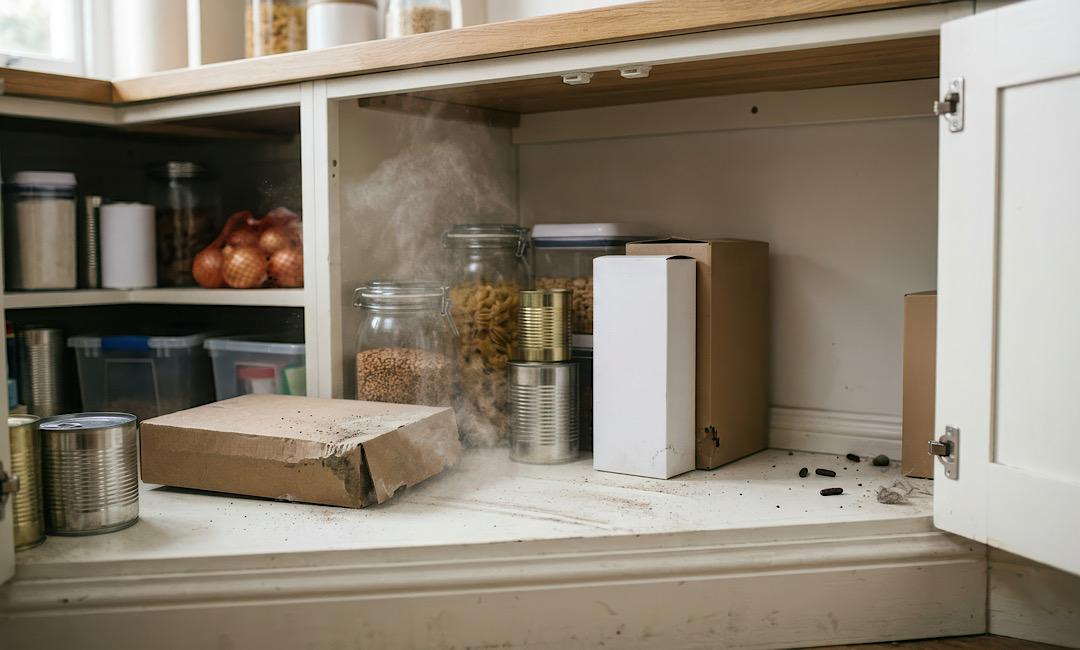
Rodents nesting near the air handler leave droppings, urine and debris the system can pull into the airstream. If the inspection shows activity around the air handler or torn duct, ask about air duct cleaning after the animals are gone and the ducts are repaired. Our article on duct cleaning after a pest infestation explains why.
Match Your Next Step to What You Found
| If you found… | Then… |
|---|---|
| Noise overhead but no electrical symptoms | Schedule a rodent inspection before damage starts. |
| A dead outlet or repeat breaker trip plus droppings | Call an electrician to make the circuit safe, and book rodent removal the same week. |
| A burning smell or scorch marks | Shut off the circuit and call an electrician now. Rodent work comes right after. |
| Warm rooms and a musty smell from vents | Have the ducts and air handler inspected along with the attic. |
| Old damage, no current activity | Confirm the house is sealed, then schedule repairs. |
Mount Pleasant Attics Carry Extra Risk
Many homes here have the air handler and most duct runs in the attic, directly where roof rats prefer to live. Live oak limbs reach rooflines, and coastal humidity breaks down soffit seams and vent screens faster than inland. Raised homes near the marsh give Norway rats easy access to wiring underneath, and damp crawl spaces add to the pull. Crawl space encapsulation removes much of that attraction. Once repairs are done, our guide to rodent exclusion covers keeping them out.
Frequently Asked Questions
How can I tell whether chewing damage is recent?
Fresh gnaw marks look bright, with light colored material showing. Fresh droppings are dark and soft. Old droppings are gray and crumble.
Does homeowners insurance cover rodent damage?
Policies vary, and many exclude damage from rodents or vermin. Ask your agent, and photograph everything before cleanup.
The Bottom Line
- Removal first: an established population typically takes two to four weeks of trapping and monitoring.
- Seal before you repair: exclusion is what keeps the new wiring and duct intact.
- One sequence, one repair bill: following the order above avoids paying an electrician twice for the same run.
If you have heard activity overhead or noticed any warning signs, schedule a rodent inspection and we will locate the entry points and remove the animals so repairs last. Learn more about our rodent control services.
About the Author
Lowcountry Pest Management
Lowcountry Pest Management is a family-owned pest control company that has protected homes and businesses in Mount Pleasant and Charleston, SC for more than 22 years. Our team handles rodent control, termite control, mosquito control, crawl space encapsulation and duct cleaning throughout the Lowcountry.