You turn on the kitchen light and something runs behind the refrigerator. Or you find droppings in the silverware drawer. The instinct is to do something immediately, and some of those first moves help while others make the problem harder to solve. We have handled rodent calls in Mount Pleasant and Charleston for more than 22 years. This is the plan we give homeowners for the first 24 hours after seeing a rat in the kitchen.
Hour One: Protect Food, Kids and Pets
- Don’t chase it. A cornered rat can bite. Note where it went. That tells us where it lives and how it got in.
- Clear the counters. Move fruit, bread and anything in a bag or box into the refrigerator or sealed glass or metal containers. Plastic bags and cardboard are not rodent proof.
- Pick up pet food and water for the night and seal bags of pet food and birdseed.
- Close off the kitchen if you can. A towel under the door slows movement deeper into the house overnight.
Tonight: Confirm You’re Dealing With a Rat, Not a Mouse
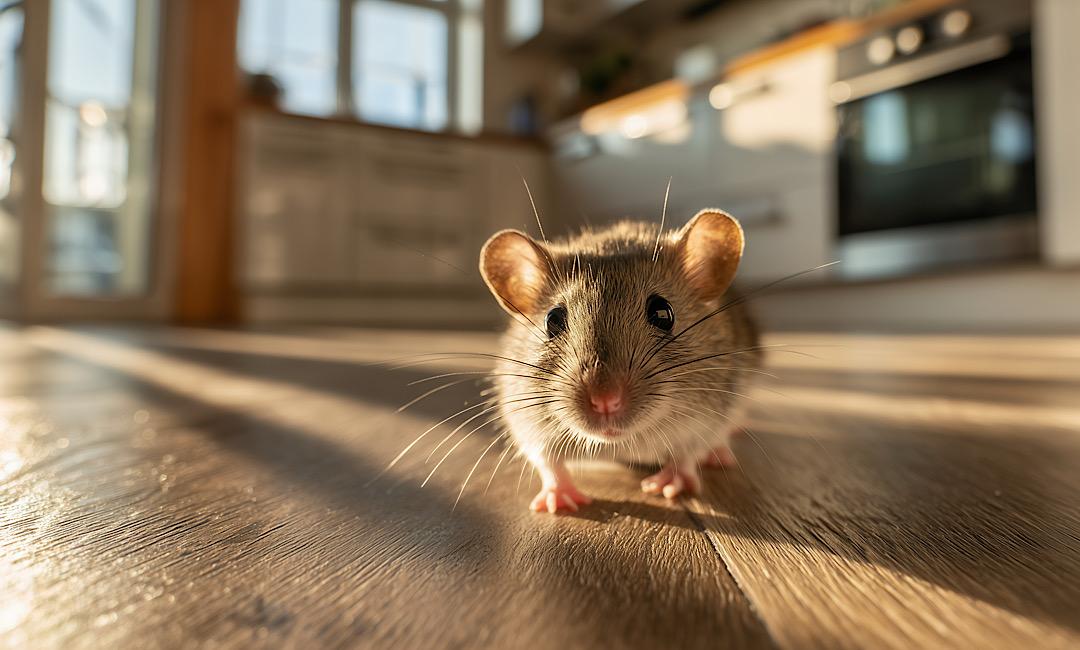
Trap placement, trap type and the entry points we look for all change with the species, so identify it before buying anything.
| Roof rat | Norway rat | House mouse | |
|---|---|---|---|
| Body size | 6 to 8 inches, slender | 7 to 10 inches, heavy | 2.5 to 3.5 inches |
| Droppings | About 1/2 inch, pointed ends | About 3/4 inch, blunt ends | About 1/4 inch, rice shaped |
| Where it ran | Up: cabinets, walls, attic | Down: crawl space, garage | Along walls, into cabinets |
| Gap it fits through | About a quarter | About a quarter | About a dime |
Roof rats are the most common rat on the South Carolina coast. Our overview of rodents in the Charleston and Mount Pleasant area has more detail.
Next Morning: Trace How It Got Into the Kitchen
Rats come for food, water and warmth. With a flashlight, check the points we find open most often:
- The plumbing penetration under the sink.
- Behind the refrigerator, around the ice maker water line.
- Behind the range, especially around a gas line.
- Behind the dishwasher kick plate.
- The toe kick space under lower cabinets.
- Any pantry or laundry wall shared with the garage.
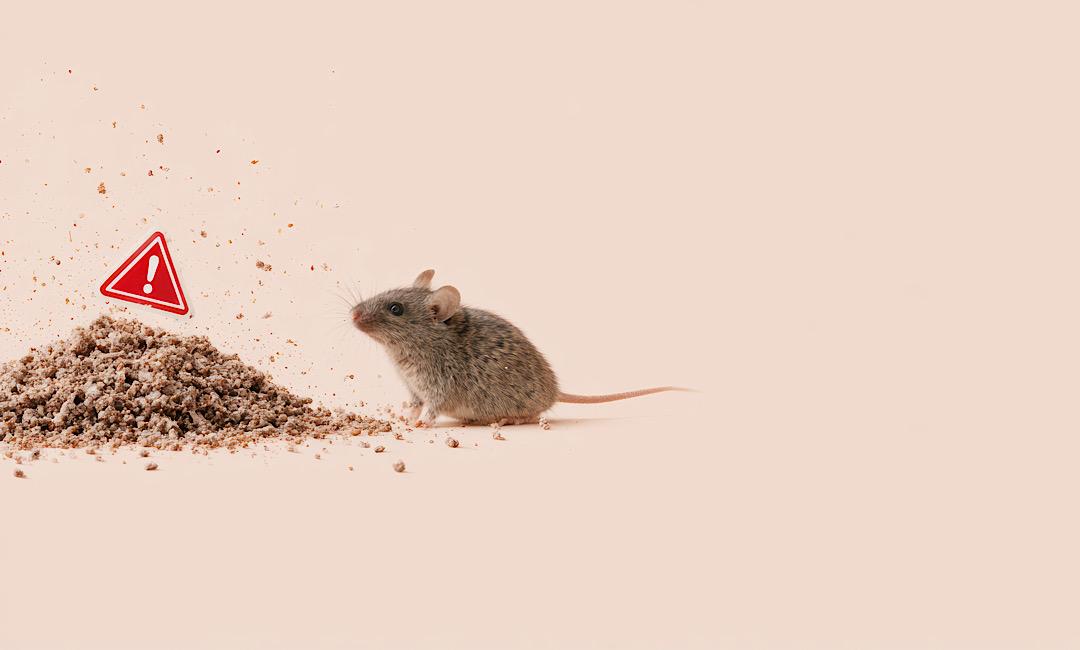
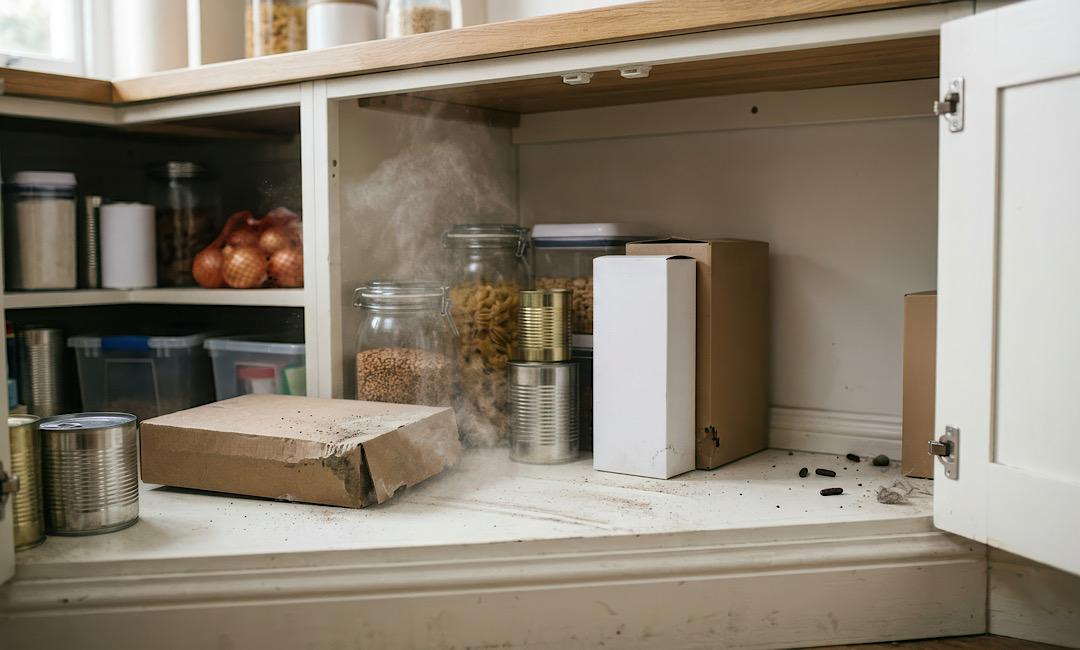
Look for droppings, gnaw marks, dark grease smudges along baseboards and pipes, and shredded paper or insulation.
Field Note: The common failure point we see in kitchens is the gap around the sink drain and supply lines. Builders cut the hole oversized and the escutcheon plate hides it. Pull the plate back and look. If you can fit a finger through, a rat can get in.
Clean Up Without Spreading Contamination
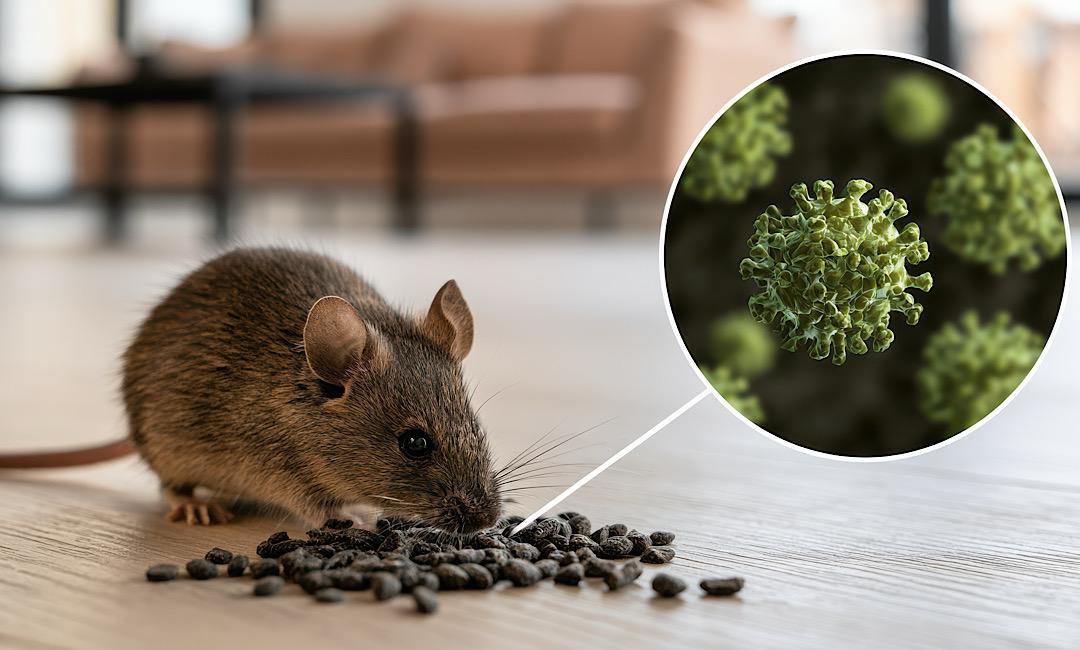
Rodent droppings and urine can carry pathogens, including hantavirus and Leptospira bacteria, so method matters more than speed.
- Wear disposable gloves and air the room out first.
- Do not sweep or vacuum droppings. That puts contaminated dust in the air.
- Soak droppings and urine spots with disinfectant or a 1:10 bleach solution for five minutes.
- Wipe up with paper towels, bag them and put them in the outside trash.
- Throw out any food in a chewed or opened package. Wash canned goods before opening.
- Run utensils and dishes from affected drawers through the dishwasher.
Our article on rodents and your family’s health covers the risks in more depth.
Four Common Reactions That Backfire
The Messy Middle: Poison bait and the smell in the wall
The most common call we get after a DIY attempt goes like this: the homeowner scatters rodenticide blocks under the sink, activity stops, and a week later there is a dead animal odor from inside a wall. Rats that eat anticoagulant bait often die in voids nobody can reach, and the smell can last weeks. Resolution usually means locating the carcass by odor and fly activity, sometimes opening drywall, then starting over with trapping and sealing. Loose bait also puts pets and the owls and hawks that hunt Lowcountry neighborhoods at risk.
The other three: glue boards rarely hold an adult rat, ultrasonic repellers have no meaningful effect on an established population, and sealing every hole on day one can trap rats inside, where they chew through drywall to get out.
Decide How Fast to Call
| If… | Then… |
|---|---|
| Droppings are in food drawers or on prep surfaces | Call the same day. |
| You see chewed wire or smell burning | Call an electrician and a rodent pro the same day. See rats chewing wires. |
| You saw a rat in daylight or more than one | Call the same day. Daytime activity usually means crowding. |
| You hear scratching inside walls | Call within a day or two. |
| One sighting at night, no droppings found | Set snap traps along the wall where it ran, and call if you catch one or see signs. |
One Rat Usually Means More
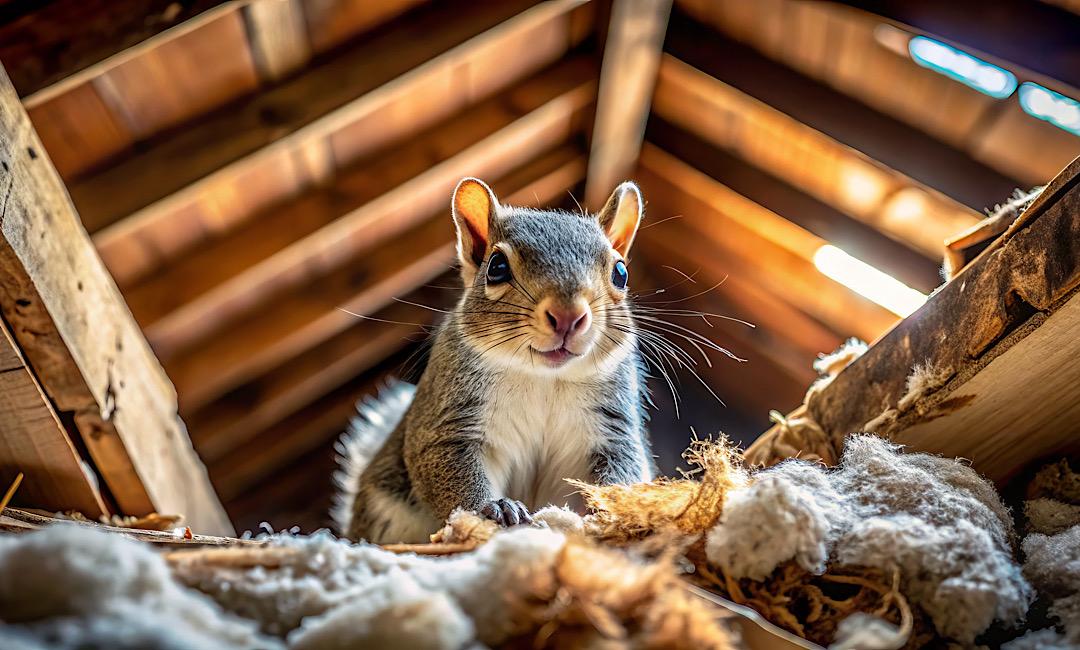
Rats are social and cautious. One bold enough to cross a lit kitchen usually has company nearby. That isn’t a reason to panic, but it is a reason to act now rather than wait for a second sighting. If activity has reached the attic, our guide to attic rodent control covers what comes next.
Frequently Asked Questions
Is it safe to keep cooking?
Yes, once affected areas are disinfected, contaminated food is gone and food is in sealed containers. Wipe counters before each use until the problem is resolved.
Why did this happen in a clean house?
Cleanliness helps but doesn’t stop entry. Rats get into clean homes through pipe gaps, vents and rooflines, and wooded buffers and marsh edges keep populations close to many Mount Pleasant neighborhoods.
The Bottom Line
- First hour: secure food and pets. Don’t chase, poison or seal.
- First night: identify the species from size and droppings.
- First morning: check the six kitchen entry points and clean up with the soak method.
- Typical timeline: an established population takes two to four weeks of trapping plus sealing to clear.
If you have seen a rat in your kitchen, contact Lowcountry Pest Management to schedule an inspection. We will find the entry points, remove the rats and seal the house. Learn more about our rodent control services.
About the Author
Lowcountry Pest Management
Lowcountry Pest Management is a family-owned pest control company that has protected homes and businesses in Mount Pleasant and Charleston, SC for more than 22 years. Our team handles rodent control, termite control, mosquito control, crawl space encapsulation and duct cleaning throughout the Lowcountry.