
Early Rat Infestation Warning Signs in Mt Pleasant, SC (and What to Do Before It Gets Worse)

early rat infestation warning signs mt pleasant sc

A few small clues now can prevent a big problem later

Late summer and early fall in the Lowcountry can push rats and mice to look for stable food, water, and shelter—often in attics, kitchens, garages, and crawl spaces. If you’re hearing scratching at night, noticing droppings, or finding chewed materials, those “minor” signs are usually the beginning of a much larger pattern.

This guide covers early rat infestation warning signs in Mt Pleasant, SC, plus practical steps you can take right away to reduce risk and decide when it’s time to schedule a professional inspection with Lowcountry Pest Management.

Why rats show up “suddenly” (even in clean homes)

Rats are opportunists. They don’t need a messy home—they need access. In coastal South Carolina, common attractants include:

  • Outdoor food sources: bird seed, pet bowls on porches, fallen fruit, open trash lids
  • Water: AC condensation, leaky hose bibs, irrigation puddling, crawl space moisture
  • Shelter: dense shrub lines, stored boxes in garages, cluttered crawl spaces, attic insulation
Most homeowners spot the problem only after rodents become comfortable. The goal is to catch activity while it’s still limited to a few entry points and a narrow travel path.

9 early warning signs of a rat infestation (what to look for first)

1) Droppings in “edge zones”
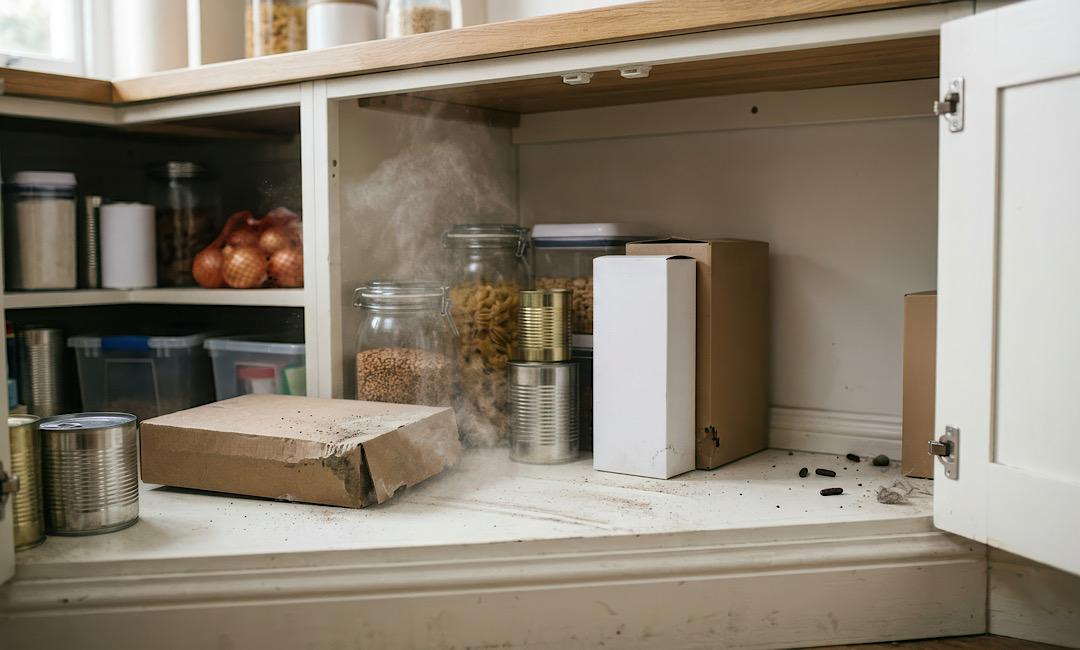
Early infestations often show up along walls, behind storage, under sinks, in pantry corners, near garage doors, and in crawl space access areas. Fresh droppings are usually darker and slightly shiny; older droppings look dull and crumble more easily.
 
2) Scratching, scurrying, or thumping after dark
Rats are often most active at night. Sounds may come from attics (over bedrooms), wall voids, or above kitchens where plumbing and warmth attract activity.
 
3) Grease rub marks (“runways”)
Rats repeatedly travel the same route. Over time, body oils leave smudgy rub marks along baseboards, pipe penetrations, or the edges of attic access openings.
 
4) Gnawing on soft materials and packaging
Chewed cereal boxes, pet food bags, foam insulation, or even plastic bins can indicate early feeding behavior. Rats chew to access food and to manage constantly growing incisors.
 
5) Pet behavior changes (especially at night)
Dogs may stare at a specific wall or door threshold; cats may “camp” near appliances. Pets often hear and smell rodents before people do.
 
6) Burrows or disturbed mulch near slabs and porches
Look for small openings along foundations, behind AC pads, near deck steps, or where shrubs meet the house. Fresh digging may show loose soil and a smooth “slide” path.
 
7) Nesting material in tucked-away spots
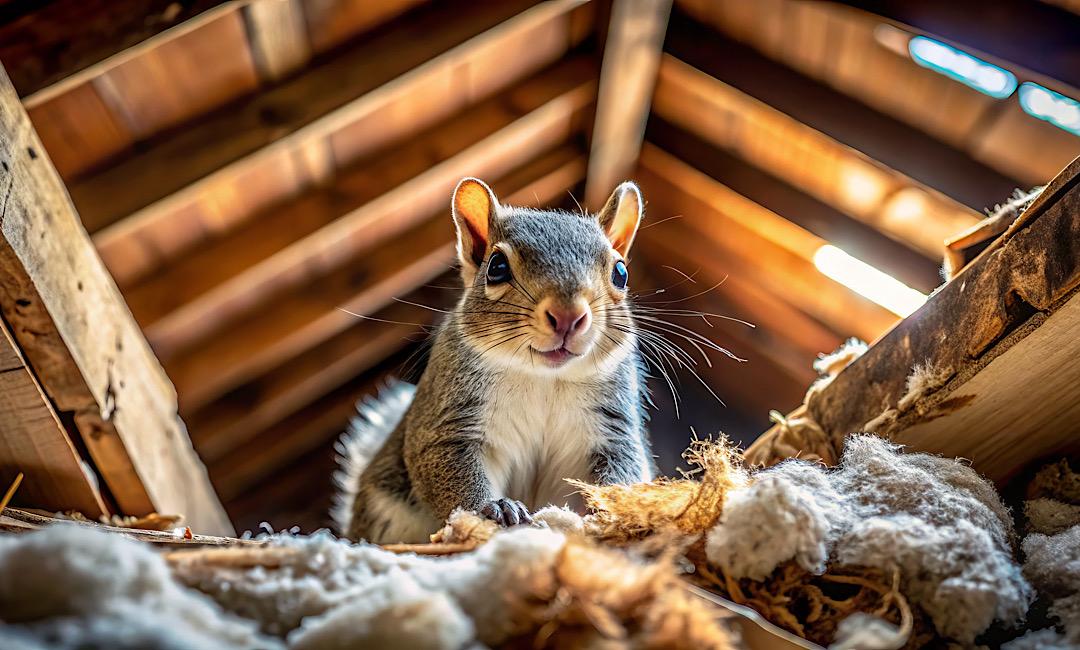
Shredded paper, insulation, fabric, or dried plant matter in attics, garages, or crawl spaces can indicate early nesting. Even a small nest can mean more than one rodent.
 
8) Unexplained odors (musky or ammonia-like)
Rodent urine can create a sharp smell that’s most noticeable in enclosed spaces—pantries, under-cabinet voids, utility closets, or crawl spaces with poor airflow.
 
9) Droppings returning after you clean
If you remove droppings and new ones appear within days, that’s a strong sign the rodents are still active and traveling the same route (often before you’ve seen an actual rat).
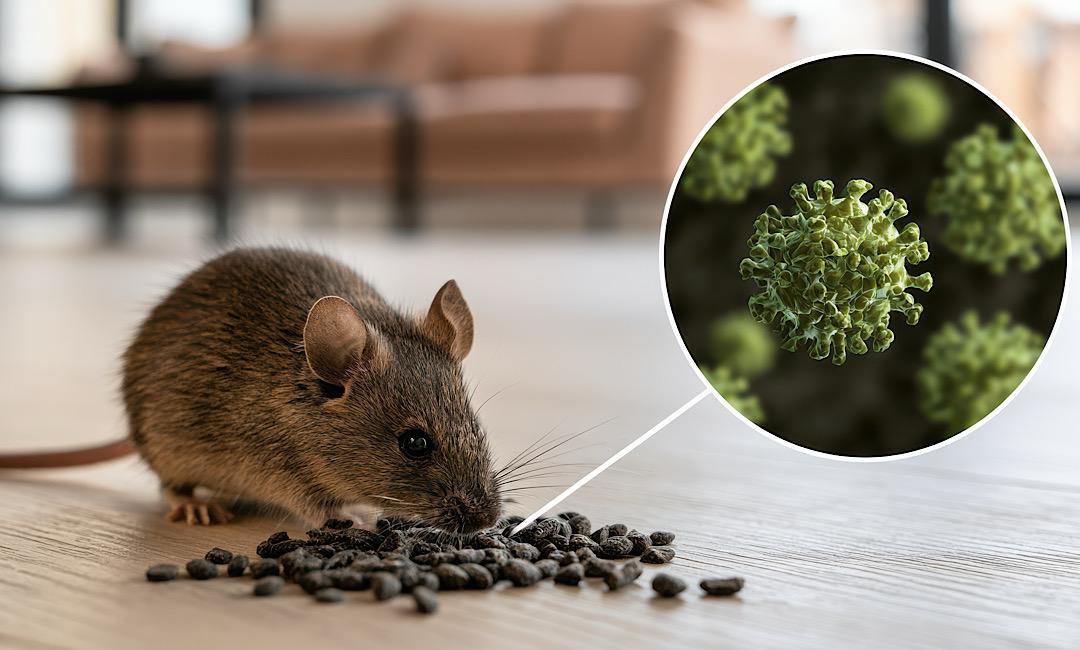
Health note: Rats and mice can carry diseases and contaminate surfaces with urine and droppings. Public health guidance emphasizes careful handling and safe cleanup to reduce exposure risks.

Quick comparison: “Probably a one-off” vs. “Active infestation”

What you notice Often a one-off visitor More consistent with an active problem
Droppings A few, isolated, not repeated New droppings after cleanup and clustered along edges
Sounds A single brief noise event Nightly activity in the same area
Chewing No repeated damage Recurring gnaw marks on packaging, wiring areas, or foam
Odor None Persistent musky/ammonia smell in enclosed spaces
If you’re landing in the right-hand column on more than one row, it’s smart to schedule an inspection sooner rather than later—especially before rodents establish nests in attics or crawl spaces.

What NOT to do when you find droppings (common mistakes)

When homeowners discover droppings in a pantry, garage, attic, or crawl space, the instinct is to sweep or vacuum and move on. Public health guidance warns that dry sweeping and vacuuming can stir contaminated dust into the air. A safer approach is to use a wet cleanup method with disinfectant and proper protective gear. (If you have heavy contamination, it’s often best to leave cleanup to trained professionals.) 

If you need a simple safety rule:

Avoid sweeping or vacuuming droppings. Ventilate, use gloves, and wet/disinfect before wiping up.

A practical 48-hour action plan (before you call)

If you’re early in the process, these steps can reduce activity and help a technician pinpoint what’s happening:

  1. Document evidence: take photos of droppings, chew marks, rub marks, and any burrows.
  2. Remove easy food: move pantry items to hard containers; secure pet food; clean crumbs under ovens/fridges.
  3. Secure trash: tight-fitting lids; rinse recyclables; keep bins away from doors if possible.
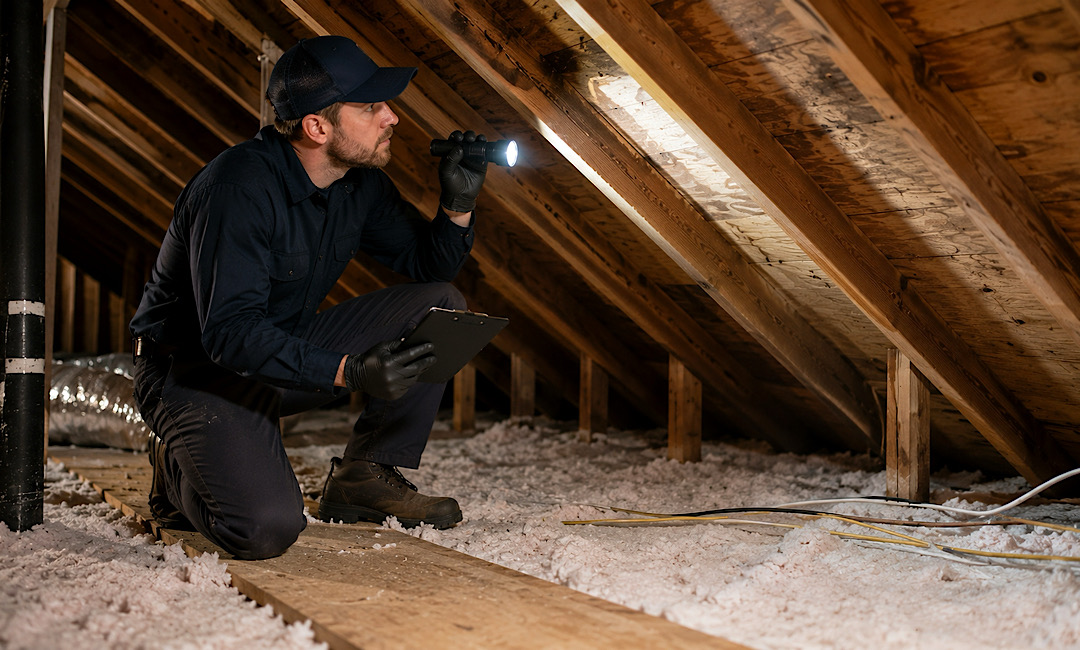
  4. Check common entry zones: garage corners, dryer vents, plumbing penetrations, crawl space vents/doors, attic access.
  5. Reduce moisture: address drips under sinks; note any standing water or damp crawl space areas.
Why this helps: Rodent control works best when it’s not just trapping—successful programs combine sanitation, exclusion (sealing entry points), and monitoring.
If you’d like professional help, our team can evaluate activity, identify entry points, and build a plan that fits your property and the Lowcountry environment.

Learn more about our Rodent Control service (inspection, trapping, and prevention)

Local Mt Pleasant / Charleston angle: where rodents commonly hide in coastal homes

In Mount Pleasant and across the Charleston area, we frequently see early rodent activity tied to humidity, sheltered crawl spaces, and dense landscaping that gives rodents cover to move along foundations. Neighborhoods near marshes, wooded buffers, and active construction corridors can see seasonal spikes as habitat shifts.

If you’re in or around Charleston, Sullivan’s Island, Isle of Palms, Daniel Island, Awendaw, Hanahan, Goose Creek, North Charleston, James Island, Johns Island, West Ashley, or Summerville, the same early warning signs apply—especially as late-summer activity ramps up and rodents probe for reliable shelter.

One of the most overlooked areas in Lowcountry homes is the crawl space. Rodents use it as a “safe highway” to reach plumbing runs and wall voids. If your crawl space has moisture issues, it can attract pests and worsen odors over time.

Explore crawl space encapsulation (moisture control that helps discourage pest pressure)

When to schedule a professional inspection

It’s time to bring in a professional when:

  • You see droppings more than once, or in multiple rooms/areas
  • You hear repeated night sounds in the attic or walls
  • You find chew marks on food packaging or suspect wiring damage
  • You notice burrows, rub marks, or ongoing odor
  • You’ve tried “DIY fixes” but activity continues

Early intervention is usually faster, cleaner, and less disruptive than waiting until rodents have nesting sites in insulation, ductwork, or deep crawl space corners.

Get a rodent inspection in Mt Pleasant, SC

Lowcountry Pest Management is family-owned with decades of local experience. If you’re noticing early warning signs—droppings, scratching sounds, or chew marks—schedule an inspection before the problem spreads into attics, kitchens, and crawl spaces.
 

FAQ: Early rat infestation warning signs (Mt Pleasant, SC)

If I see one rat, does that mean I have an infestation?
Not always—but a sighting during daylight or inside the home is a strong reason to investigate. Rats are good at staying hidden, so seeing one can mean there’s already established activity nearby (attic, crawl space, garage, or shrub line).
What’s the earliest sign most homeowners miss?
Small clusters of droppings in low-traffic “edge zones” (behind stored items, under sinks, along garage walls) and faint rub marks on baseboards. Those signs can appear before you hear noises or see a rodent.
Is it safe to vacuum droppings?
Public health guidance warns against vacuuming or sweeping rodent droppings because it can stir contaminated particles into the air. Use a wet/disinfecting method and protective gear, and consider professional help for larger messes. 
Why do I hear scratching but don’t see droppings?
Activity may be confined to an attic or wall void where droppings aren’t easily visible. Another possibility is that droppings are being left outdoors near entry points, or in rarely accessed areas like a crawl space.
Do “natural repellents” solve a rodent problem?
Repellents may provide short-lived deterrence, but they rarely address the real drivers: entry points, food sources, and shelter. Lasting control usually requires inspection, exclusion work, and monitoring—especially in coastal homes where small gaps and moisture issues are common.

Glossary (helpful terms for rodent inspections)

Exclusion: Sealing and reinforcing entry points (gaps, vents, pipe penetrations) to prevent rodents from getting inside.
Runway: A repeated travel path rodents use along walls or structural edges; often associated with rub marks and droppings.
Rub mark (grease mark): Smudges left when rodents repeatedly brush against surfaces.
Harborage: Any protected area where rodents hide or nest (dense shrubs, stacked storage, attic insulation, crawl space voids).
Wet cleanup method: A safer cleanup approach that uses disinfectant and wiping (not sweeping/vacuuming) to reduce airborne dust exposure risks. 
Close-up of termites through magnifying glass on wood, highlighting pest control concept

Don’t Let Pests Take Over.

$15 OFF for New Customers!

Sign up for a one-year pest control plan and get $15 off your first quarter. Protect your home with expert pest control at a discounted rate!

Accessibility Toolbar