A proactive checklist for homeowners who want exclusion—not another repeat infestation
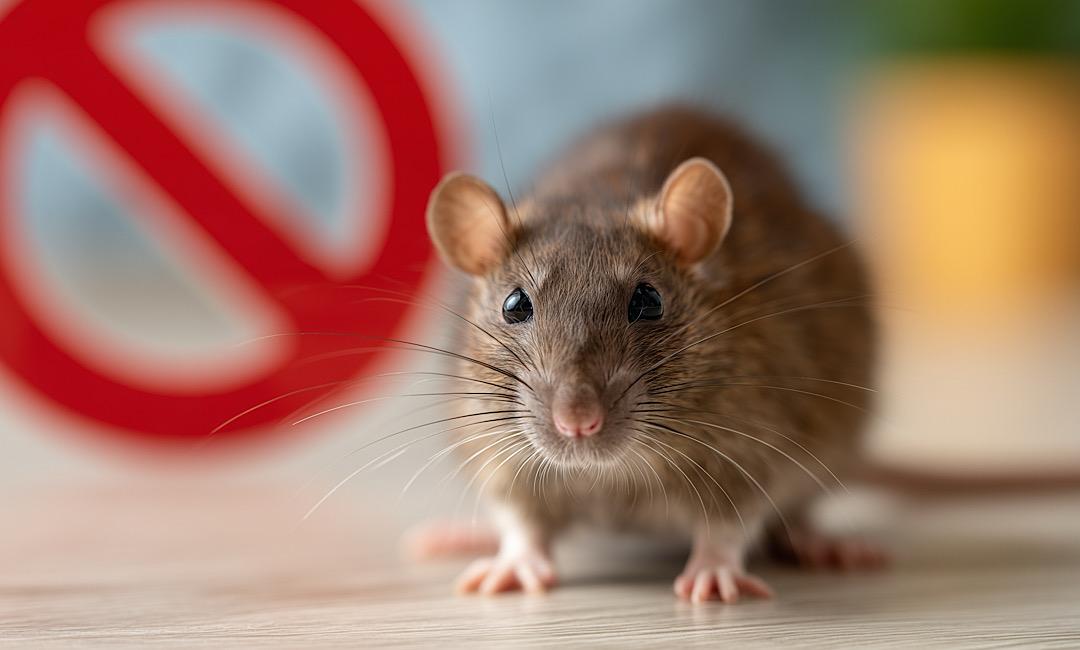
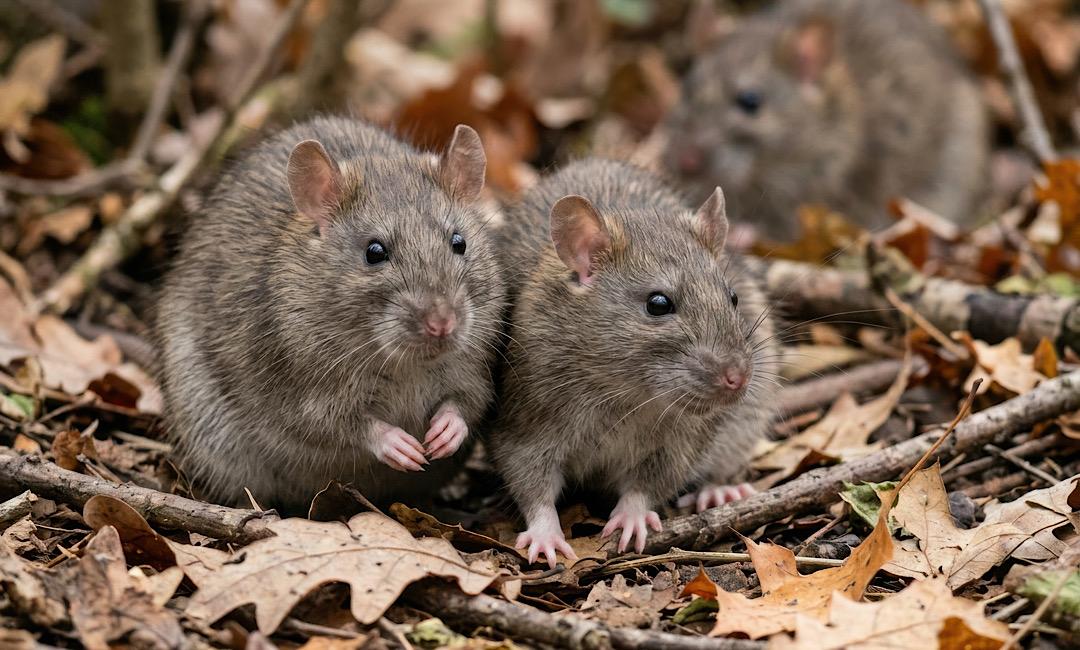
When nights start cooling off in the Lowcountry, rodents begin looking for dependable shelter, food, and water. In Mount Pleasant and Charleston, that often means attics, crawl spaces, garages, and wall voids—especially in homes with humid crawl spaces, plumbing penetrations, or older door thresholds.
This guide breaks down practical, step-by-step prevention so you can reduce your odds of a fall rat or mouse problem and avoid the “we handled it last year… why are they back?” cycle.
Why fall is prime time for rodent problems in the Lowcountry
Rodents don’t “hibernate,” but seasonal changes push them to relocate. As outdoor food sources shift and temperatures drop, rats and mice often move closer to structures for stable conditions. In coastal South Carolina, add high humidity, mild winters, and plentiful landscaping cover—rodents can stay active for long stretches, and crawl spaces can offer an ideal nesting environment.
The most cost-effective time to act is before you hear scratching at night or notice droppings in a pantry. Prevention is about two things: exclusion (keep them out) and pressure reduction (remove what attracts them).
The “Rodent Triangle”: Shelter + Food + Water
If your property provides these three, rodents will keep testing it:
Shelter: crawl spaces, dense shrubs, stacked firewood, cluttered garages, soffit gaps
Food: accessible pet food, bird seed, unsealed pantry items, outdoor grills with grease
Water: condensate lines, leaky hose bibs, standing water, crawl space moisture
Take away one leg of the triangle and you help. Address all three and you dramatically reduce the odds of recurring issues.
Where rats and mice get in (and what homeowners commonly miss)
Rodents are opportunists. A small gap at a plumbing penetration, a torn crawl space vent screen, or a garage door that doesn’t seal tight can be enough to start a problem. In the Mount Pleasant area—especially near marshes, creeks, and wooded buffers—rodent pressure can be consistent.
Common entry areas to inspect:
- Crawl space: vents, access doors, gaps at sill plates, utility penetrations
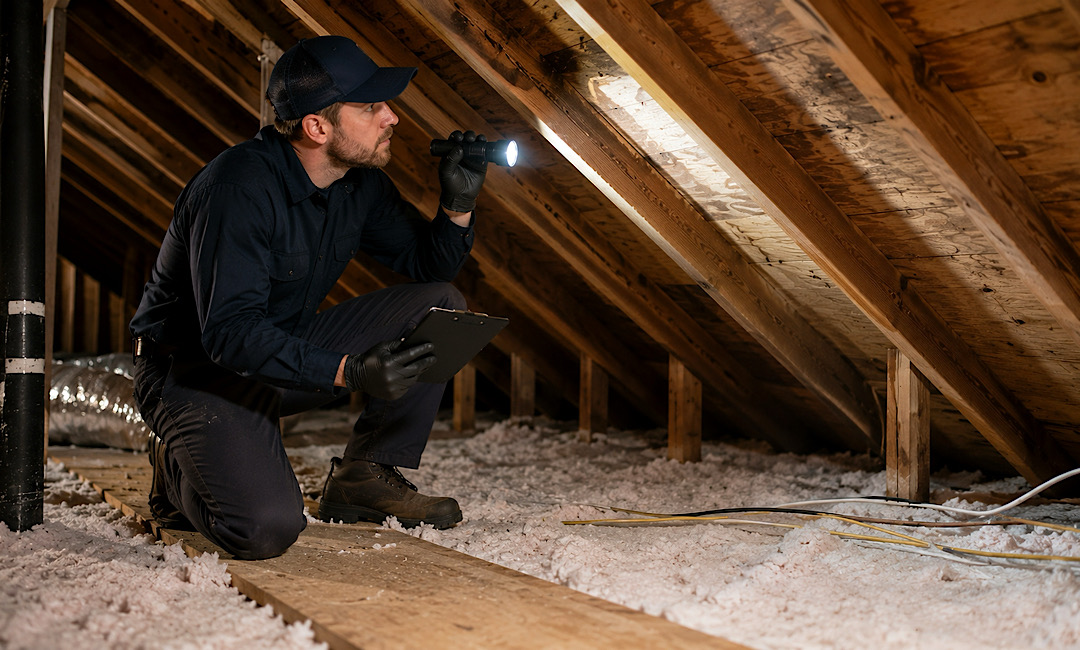
- Roofline: soffits, fascia corners, roof returns, attic vents, pipe boots
- Garage: door corners, bottom seal, side weather-stripping, shared wall penetrations
- Exterior walls: A/C line sets, hose bibs, cable/telecom entry points
- Doors & windows: worn sweeps, damaged thresholds, loose screens
Step-by-step: Fall rodent prevention checklist (Mount Pleasant homeowners)
1) Start with a perimeter walk (10 minutes that prevents months of stress)
Walk your home slowly and look for gaps, rub marks, droppings, and chewed materials. Pay extra attention where different materials meet (brick-to-siding transitions, foundation-to-sill, soffit corners).
2) Seal the “easy wins” first
Replace worn door sweeps, repair torn screens, and close obvious utility gaps. For repairs, use rodent-resistant materials (hardware cloth/metal flashing where appropriate) rather than foam alone in high-risk areas.
3) Reduce moisture—especially in the crawl space
Moisture attracts insects, and insects attract pests—plus rodents will use damp, protected areas to nest. If your crawl space stays humid or has standing water, consider moisture control measures like vapor barriers and professional crawl space encapsulation. This is a high-impact step for long-term prevention in coastal South Carolina.
4) Remove food temptations indoors and out
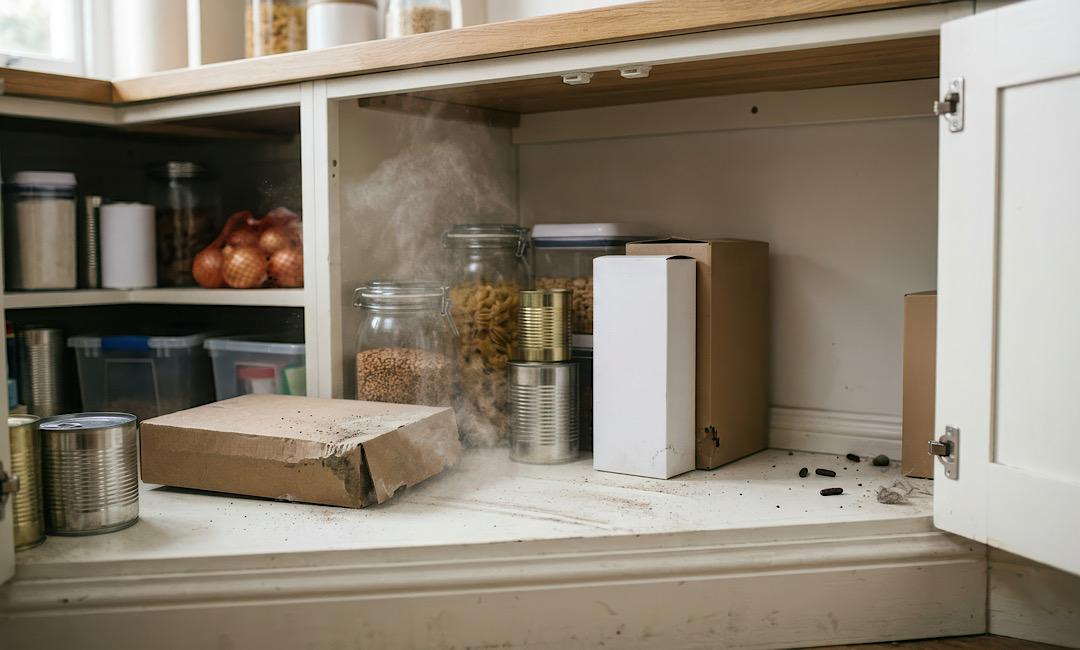
Store pantry foods in sealed containers, avoid leaving pet food out overnight, and keep bird seed in tight bins. Clean grill grease trays and avoid feeding wildlife near the home—rodents follow reliable “handouts.”
5) If you’re already seeing signs, don’t guess—confirm activity and act safely
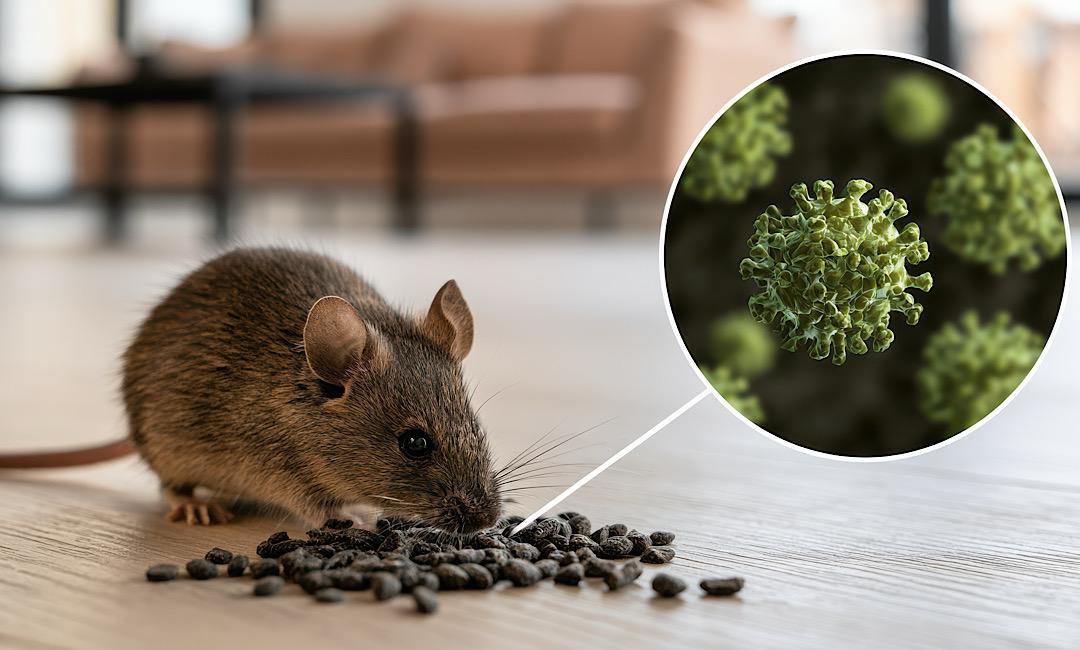
If you find droppings or nesting material, avoid dry sweeping or vacuuming. Public health guidance emphasizes wet-cleaning/disinfecting methods to reduce the risk of stirring contaminated dust. The CDC provides step-by-step guidance for safe cleanup of rodent urine/droppings and contaminated areas.
Quick comparison table: DIY prevention vs. professional exclusion
| Area | DIY can work well when… | Call a pro when… |
|---|---|---|
| Doors / garage | You can clearly see worn sweeps and replace them quickly | You still see droppings/rub marks after repairs |
| Crawl space | It’s dry, accessible, and screens/doors are intact | Humidity, torn vents, standing water, or recurring entry points |
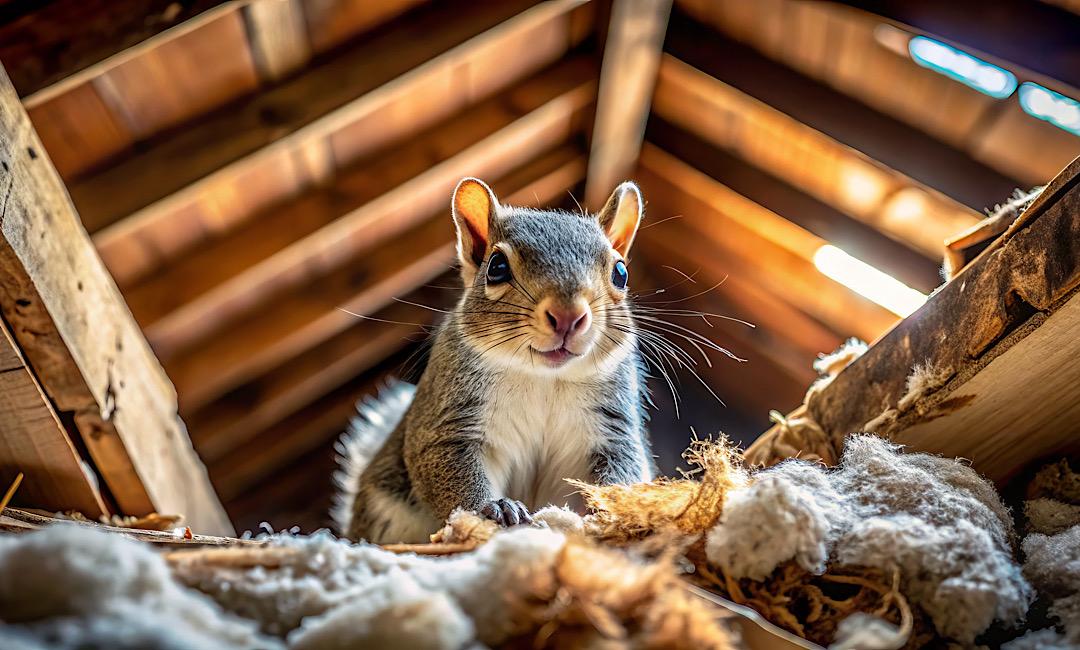
| Attic / roofline | You can safely inspect from ground and see a single obvious gap | You suspect roof/soffit access, hear activity, or see insulation disturbance |
| Trapping / removal | You caught the first intruder and can confirm no more signs | You’re catching multiple, seeing daytime activity, or signs persist |
Did you know? (Fast facts that change how people respond)
Dry sweeping can make cleanup riskier: health guidance recommends wet-cleaning/disinfecting steps for rodent droppings and urine to avoid stirring contaminated dust into the air.
Rodent problems are often “access problems” first: if entry points aren’t closed, removing one rat or mouse doesn’t prevent the next one from following the same route.
Crawl space conditions matter: moisture and clutter create stable shelter and can increase pest pressure in and around the home—one reason crawl space work and exclusion often go hand-in-hand in the Lowcountry.
Local angle: Mount Pleasant + surrounding towns to keep on your radar
Rodent pressure can vary street-to-street based on marsh proximity, new construction, and landscaping density. If you live in or near Mount Pleasant, you may also see similar seasonal rodent movement patterns across nearby communities like Charleston, Isle of Palms, Sullivan’s Island, Daniel Island, Hanahan, Goose Creek, North Charleston, James Island, Johns Island, West Ashley, Summerville, and Ladson.
If your neighborhood has ongoing development, disturbed habitat can push rodents toward established homes. In those cases, prevention timing matters—sealing and monitoring early in the season can help you stay ahead of the spike.
Need fall rat infestation prevention services in Mount Pleasant, SC?
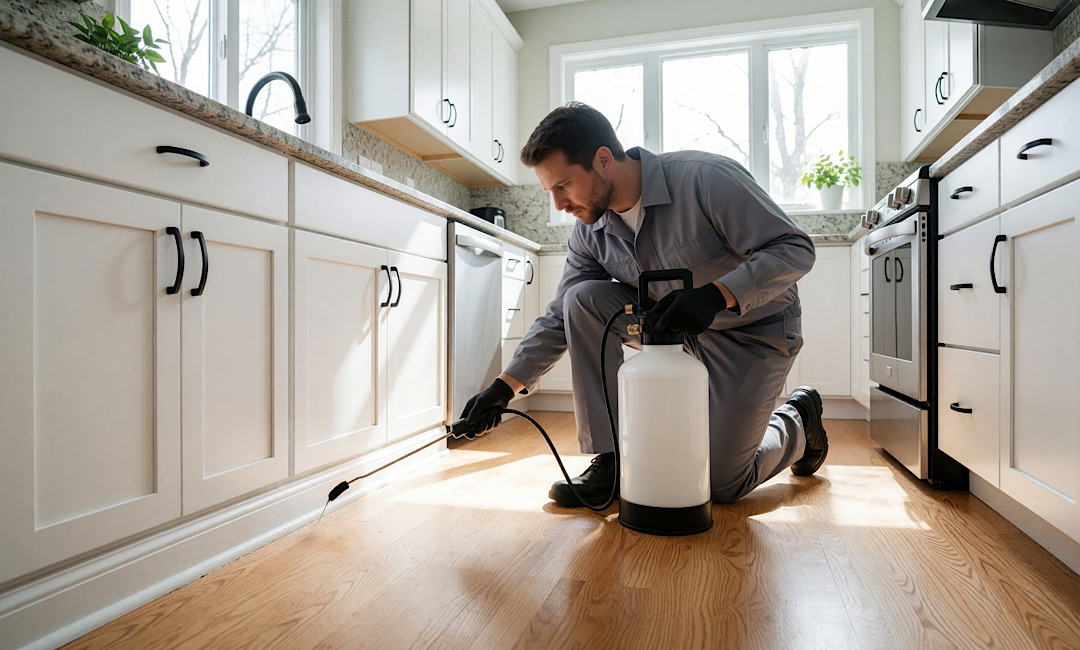
Lowcountry Pest Management provides practical, region-specific solutions—from inspections and rodent control to exclusion-focused prevention and crawl space protection—built for Lowcountry conditions.
FAQ: Fall rodent prevention in Mount Pleasant & Charleston
What are the first signs of rats or mice in a home?
Common early indicators include droppings (often in corners or along walls), scratching noises at night, gnaw marks, disturbed insulation in attics, and pet agitation focused on a wall or cabinet void.
Should I seal holes before trapping?
You typically want a plan: identify entry points, confirm activity, and coordinate sealing with trapping so you don’t trap rodents inside a wall void. For active infestations, a professional inspection helps sequence this correctly.
Is it safe to vacuum rodent droppings?
Health guidance advises against dry sweeping or vacuuming droppings because it can stir contaminated particles into the air. Wet-clean/disinfect methods are recommended; the CDC outlines detailed cleanup steps.
Why do rodents keep coming back every fall?
Recurrence usually means at least one of these is still true: entry points weren’t fully closed, food sources remained accessible, or the crawl space/yard provides shelter and travel corridors. Prevention is most effective when exclusion and attractant reduction happen together.
Does crawl space encapsulation help with rodents?
Encapsulation can help by improving moisture control and creating a cleaner, more manageable space to inspect and maintain. Pairing moisture control with rodent exclusion (sealing and repairs) is a strong strategy in humid coastal climates.
Glossary (plain-English pest control terms)
Exclusion
Physical repairs and sealing methods that prevent rodents (and other pests) from entering a structure.
Entry points
Openings that allow pests to get inside—such as gaps around pipes, vents, doors, soffits, and foundations.
Rodent pressure
The level of rodent activity in the surrounding area that increases the likelihood of rodents testing your home for access.
Crawl space encapsulation
A moisture-control system for crawl spaces that may include a vapor barrier, sealing, and related improvements to reduce humidity and protect the home.