Stop the repeat infestations—seal the home, protect the crawl space, and reduce attractants
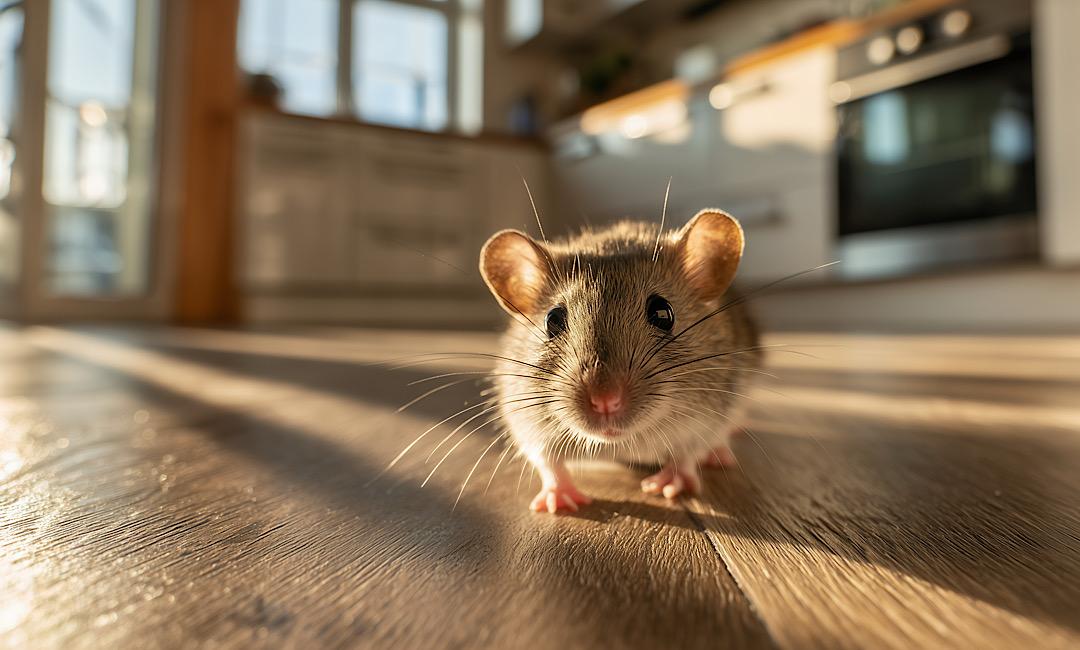
In the Lowcountry, fall is when many homeowners start noticing the early signs: scratching in walls, droppings in the garage, or chewed storage boxes. Rodent exclusion is different from “just trapping” because it focuses on closing entry points and removing the conditions that keep mice and rats coming back. For proactive homeowners in Mount Pleasant and Charleston, a well-timed exclusion plan can be the difference between a quiet season and months of ongoing call-backs.
Local keyword focus: If you’re searching for a rodent exclusion service in Mt Pleasant, SC, the goal is straightforward: keep rodents outside by sealing gaps, improving sanitation, and addressing moisture and shelter—especially around crawl spaces, garages, and attic/roofline areas.
Why rodents push indoors when the weather shifts
Rodents don’t “hibernate,” but they do look for stable food sources and protected nesting sites as outdoor conditions change. Homes offer warmth, water, and plenty of hidden travel lanes—wall voids, crawl spaces, attic insulation, and duct chases. In coastal South Carolina, that’s amplified by:
Dense landscaping & stored materials (mulch beds, palmettos, stacked firewood) that provide cover near foundations.
Humidity and crawl space conditions that can support nesting, odors, and repeated activity.
Easy access points created by settling, utility penetrations, garage door gaps, and roofline openings.
Exclusion vs. removal: what’s the difference?
| Approach | What it targets | Pros | Common downside if used alone |
|---|---|---|---|
| Trapping / removal | Current rodents in the structure | Fast reduction of active activity | New rodents can re-enter through the same gaps |
| Rodent exclusion | Entry points + conditions that invite rodents | Long-term prevention; fewer recurring problems | Requires a thorough inspection and quality sealing work |
| Integrated plan (best practice) | Removal + sealing + sanitation + monitoring | Addresses both the “now” problem and the “next month” problem | Needs a clear scope and follow-up checks |
Quick “Did you know?” rodent facts for Lowcountry homes
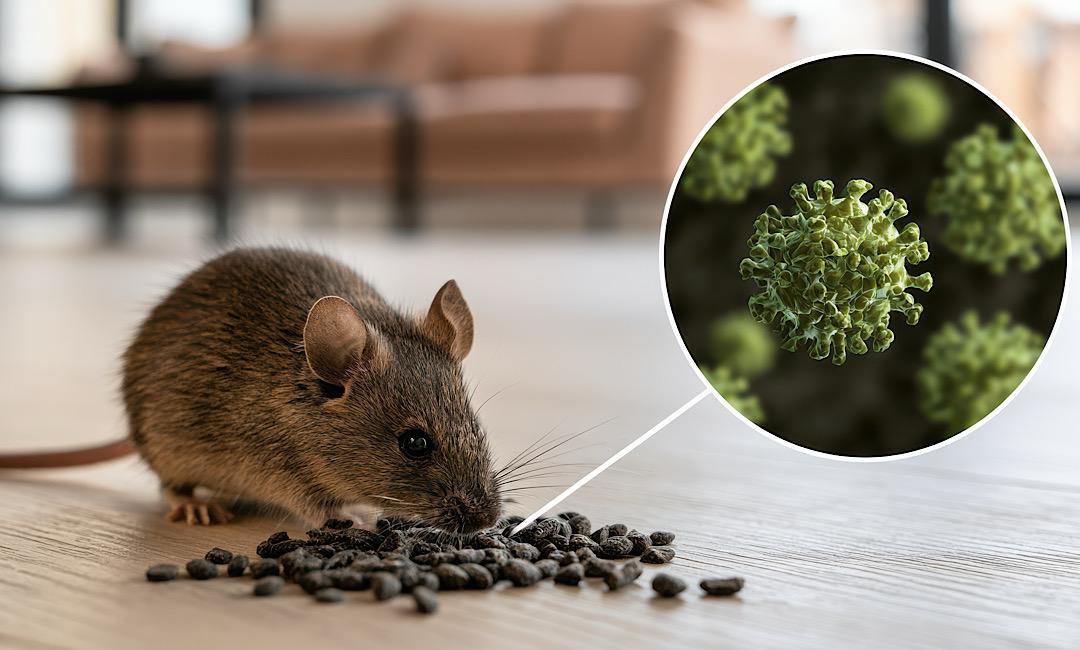
Rodent droppings can be a health risk. Public health guidance recommends avoiding dry sweeping/vacuuming of rodent droppings and using safer cleanup steps to reduce airborne exposure. (If you’re unsure, call a professional.)
Exclusion is the foundation of prevention. Environmental and public health sources consistently emphasize sealing entry points and removing access to food and shelter as core rodent-control strategies.
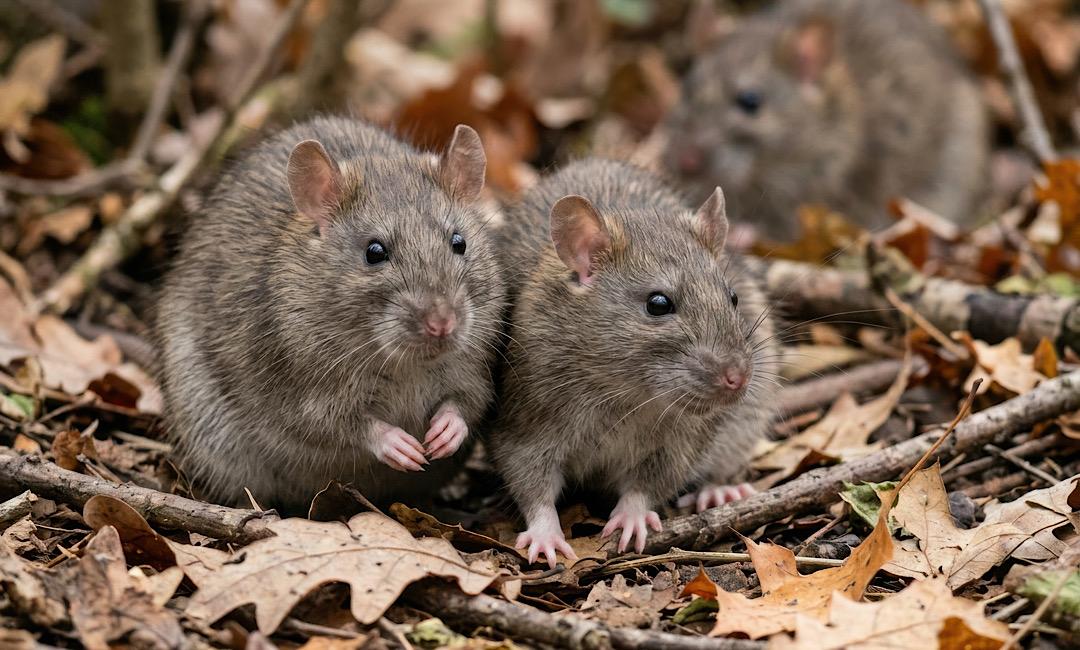
South Carolina’s common “home-invaders” include the house mouse, Norway rat, and roof rat—each with different habits (ground-level vs. roofline), which is why a full-home inspection matters.
What a quality rodent exclusion service should cover
Exclusion work is only as good as the inspection. In Mount Pleasant’s mix of newer builds, older homes, and coastal crawl spaces, a professional plan usually focuses on these zones:
1) Foundation & crawl space perimeter
Look for gaps at HVAC/utility penetrations, plumbing lines, sill plates, crawl space doors, and venting. Crawl spaces are a common “highway” for rodents—especially if humidity, standing water, or stored materials are present.
2) Garage doors, side doors, and thresholds
Garages are one of the easiest access points—especially with worn weatherstripping, daylight under the door, or cluttered storage that creates nesting zones. A few small fixes here can prevent a lot of fall activity.
3) Roofline, soffits, and attic access points
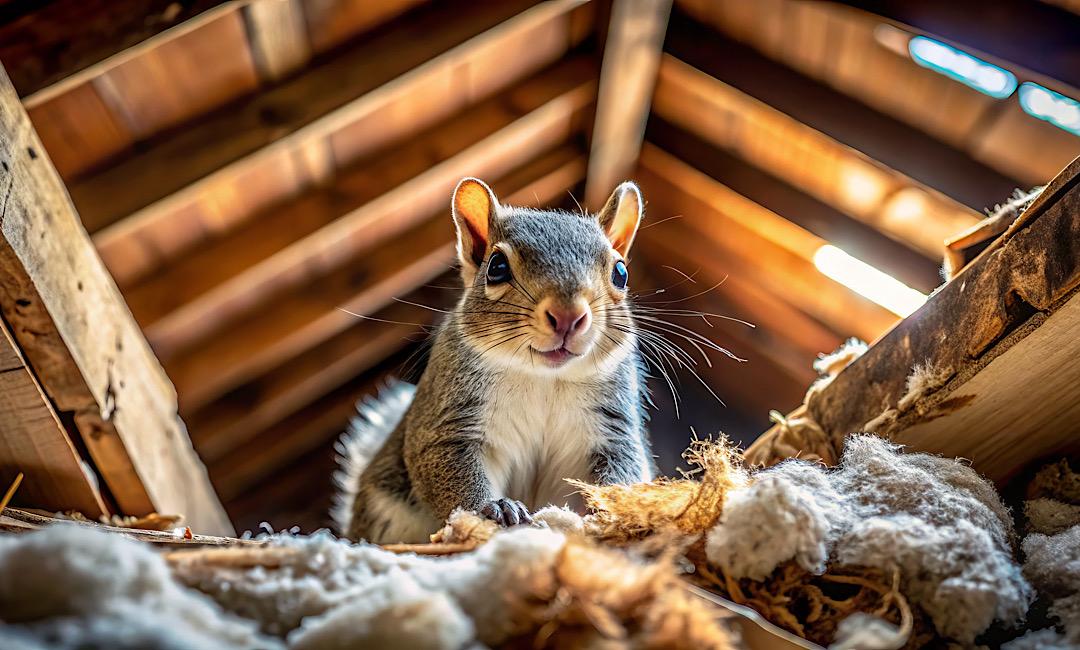
Roof rats and other climbers can access overhanging limbs, vines, and utility lines. Damaged soffits, fascia gaps, and attic vents are frequent entry points that homeowners don’t notice from ground level.
4) Interior evidence & “hot spots”
Professional inspections should identify rub marks, gnawing, nesting, and droppings—and then match that evidence to likely travel routes. This helps ensure sealing work is done in the right places, not just the obvious ones.
Homeowner prep: step-by-step checklist before your exclusion appointment
Step 1: Make the exterior easy to inspect
Pull mulch and leaves back from the foundation line where possible, and trim vegetation away from siding and crawl space access points. Clear stored items away from the home’s perimeter (especially cardboard).
Step 2: Reduce food and water attractants
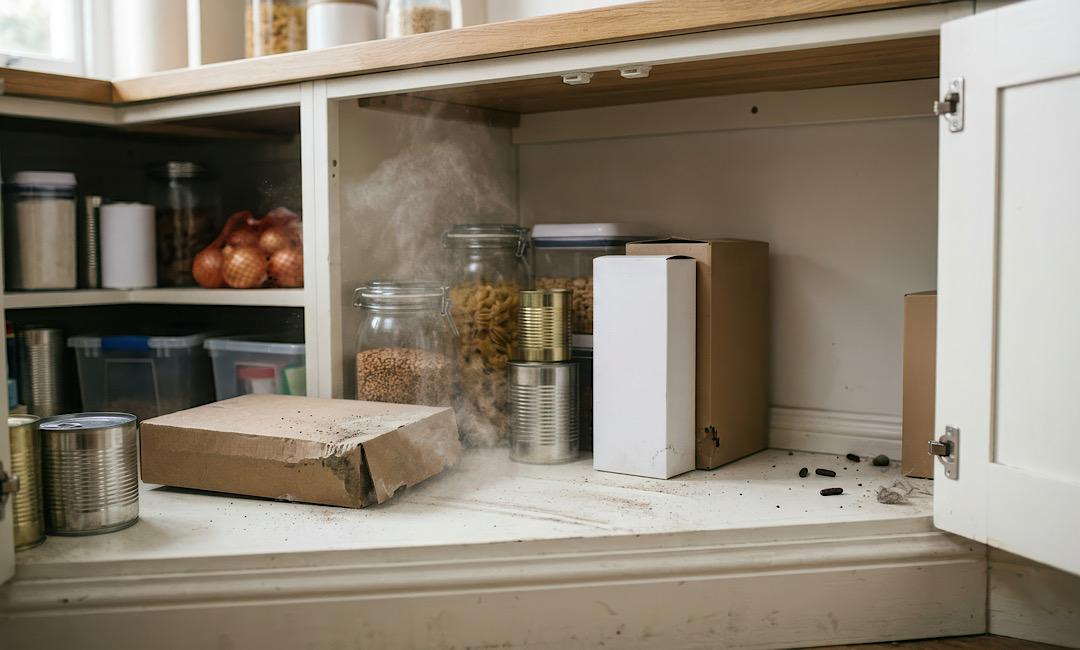
Store pet food and bird seed in sealed containers, keep trash lids tight, and address dripping spigots or irrigation overspray. Small, consistent resources are what keep rodents returning even after trapping.
Step 3: Don’t disturb droppings in enclosed areas
If you find droppings in a garage, shed, or crawl space, avoid sweeping or vacuuming the area dry. Safer cleanup methods focus on ventilation and wet/disinfecting steps to reduce airborne particles. If there’s a larger accumulation, it’s smart to ask for professional guidance.
Step 4: Track what you’re hearing (and where)
Note the time of day, specific rooms, and any patterns (e.g., “above the kitchen,” “behind the garage wall,” “near the fireplace chase”). This helps technicians narrow down travel routes and entry points faster.
Local angle: Mount Pleasant and surrounding towns
Rodent exclusion in coastal South Carolina needs to account for humidity, crawl space design, and year-round pest pressure. If you’re in Mount Pleasant or nearby communities like Charleston, Isle of Palms, Sullivan’s Island, Daniel Island, Awendaw, Goose Creek, Hanahan, North Charleston, James Island, Johns Island, or Summerville, a preventative exclusion plan can help reduce seasonal “indoor migration” and protect the areas rodents like most—garages, attics, and crawl spaces.
Tip for older homes and coastal crawl spaces: If you’ve had rodents before, ask for an inspection that pairs exclusion with moisture awareness. Damp, musty crawl spaces can attract pests and complicate long-term prevention—especially when temperatures cool and rodents seek stable shelter.
Schedule a rodent exclusion inspection with Lowcountry Pest Management
Lowcountry Pest Management is family-owned with over 22 years of local experience in Mount Pleasant and Charleston. If you want to prevent fall rodent problems before they start, an exclusion-focused inspection is the smart first step.
FAQ: Rodent exclusion in Mt. Pleasant, SC
How do I know if I need exclusion or just trapping?
If you’ve trapped rodents before and the problem returns, you likely need exclusion. Trapping reduces the current population; exclusion reduces the chance of new rodents getting inside through the same access points.
What are the most common rodent entry points in Lowcountry homes?
Common problem areas include garage door gaps, utility penetrations, crawl space doors/vents, siding-to-foundation transitions, and roofline/soffit openings. Homes with dense landscaping near the structure often have more “hidden” access points.
Is rodent exclusion safe for kids and pets?
Exclusion is primarily physical prevention (sealing and proofing), which is typically very family-friendly. Any trapping or baiting decisions should be discussed with your pest professional so the plan fits your household and layout.
Does crawl space moisture make rodent problems worse?
Moisture doesn’t “create” rodents, but damp crawl spaces can contribute to odors, shelter, and conditions that make prevention harder. That’s why many long-term plans pair rodent work with moisture control strategies when needed.
What should I do if I find droppings in my garage or attic?
Avoid dry sweeping or vacuuming. If you’re dealing with a small area, use cautious cleanup practices (ventilation and wet/disinfecting methods). For larger amounts, enclosed spaces, or ongoing activity, it’s best to have a professional assess both the contamination and the entry points.
Glossary (helpful terms)
Rodent exclusion: Physical prevention work designed to stop rodents from entering a structure (sealing gaps, screening openings, reinforcing vulnerable points).
Commensal rodents: Rodents that commonly live near people and buildings, such as house mice and certain rats.
Harborage: Protected shelter where pests hide and nest (cluttered storage, dense shrubs, voids in walls/crawl spaces).
Integrated pest management (IPM): A prevention-first strategy that combines inspection, exclusion, sanitation, monitoring, and targeted control methods.